
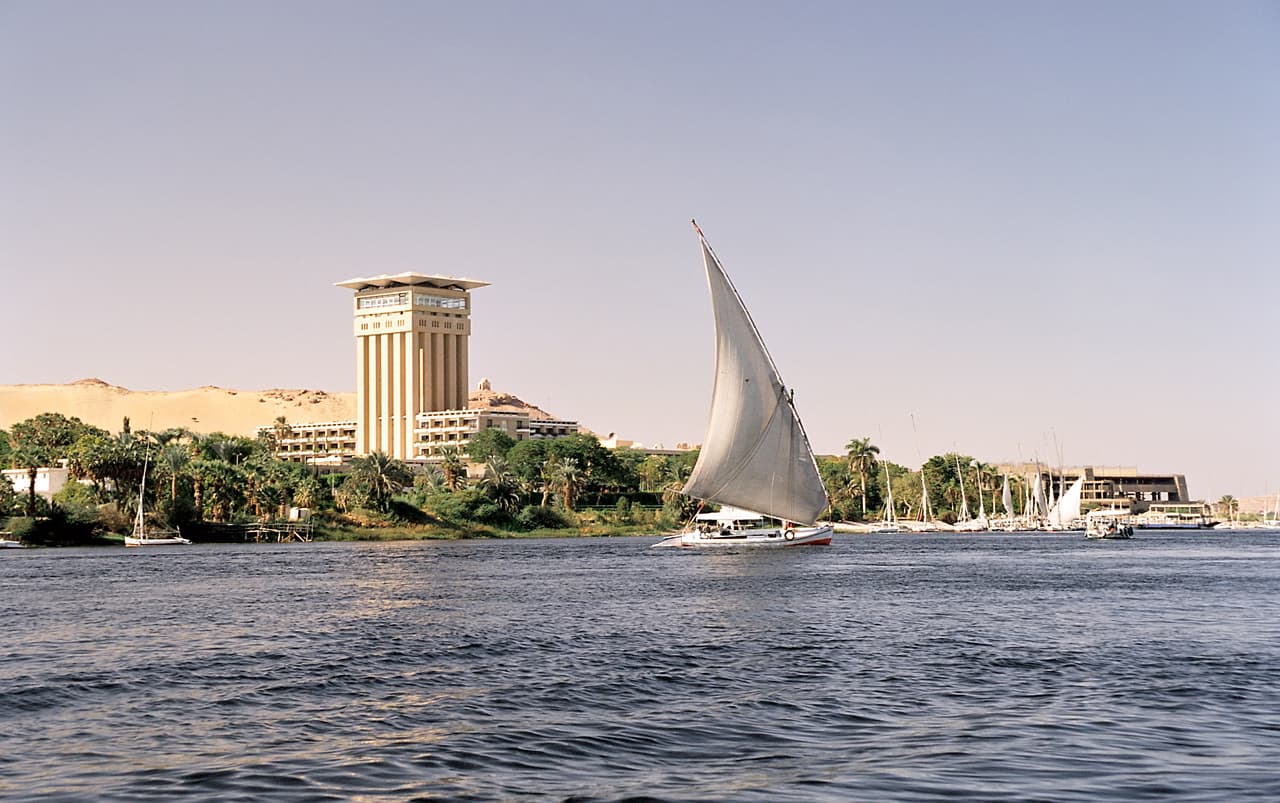

Elephantine Island isn't just an island; it's a living, breathing testament to Egypt's layered history. This place, the largest island nestled in Aswan's beautiful Nile, is where the echoes of pharaohs meet the vibrant rhythms of Nubian life. It's an easy escape from the bustling Corniche, offering a unique blend of ancient ruins, like the intriguing Temple of Khnum and that clever old Nilometer, alongside the brightly colored, welcoming Nubian villages of Siou and Koti.
Seriously, if you're in Aswan, making the short boat trip here is an absolute must-do.
Elephantine's Timeless Story: Egypt's Southern Frontier
A Gateway to the South
For millennia, Elephantine Island stood guard as Egypt's southern boundary with Nubia. Picture it: a buzzing hub, a frontier town that was absolutely essential for keeping trade flowing, fending off southern threats, and managing Egypt's reach into Nubian lands. This island played so many vital roles:
- Military Outpost: Egyptian soldiers were posted here, watching the border, keeping an eye on their Nubian neighbors, and launching expeditions when needed.
- Trade Crossroads: Everything valuable moving between Egypt and Nubia - think gold, ivory, rich ebony, fragrant incense, exotic animals, even mercenary soldiers - passed through Elephantine's bustling markets. Customs folks were busy, tracking goods and collecting duties.
- Administrative Heart: The Governor of the South, sometimes called the Viceroy of Kush, often lived right here. From Elephantine, they oversaw Egypt's grip on Nubia and navigated all those intricate political relationships.
- Sacred Ground: With grand temples dedicated to major gods like Khnum (the ram-headed god who controlled the Nile's vital flood), Satet, and Anuket, Elephantine was a significant pilgrimage site.
Unearthing Ancient Secrets
Team after team of archaeologists, especially German and Swiss researchers since the late 1800s, have been digging here, and what they've found is just incredible. Discoveries span from way back in prehistoric times right up through the Islamic period. Imagine:
- Ancient Aramaic papyri, found from a Jewish community living on Elephantine during the 5th century BC. These texts offer a rare glimpse into Jewish life and religious practices in ancient Egypt.
- The remains of ordinary homes, which give us a real sense of daily life, showing house layouts, everyday objects, and city planning in a way that's hard to find elsewhere.
- The foundations of temple complexes for Khnum, Satet, and Anuket, some starting as far back as the Old Kingdom (around 2600 BC) and continuously rebuilt over centuries.
- The famous Elephantine Papyri: a treasure trove of administrative documents, legal contracts, personal letters, and religious texts that peel back layers of ancient Egyptian bureaucracy and society.
- Countless pieces of pottery and artifacts showing the island's deep trade connections and cultural exchange with both Nubia and the wider Mediterranean world.
The Ancient Nilometer: Measuring Life Itself
Predicting the Nile's Bounty
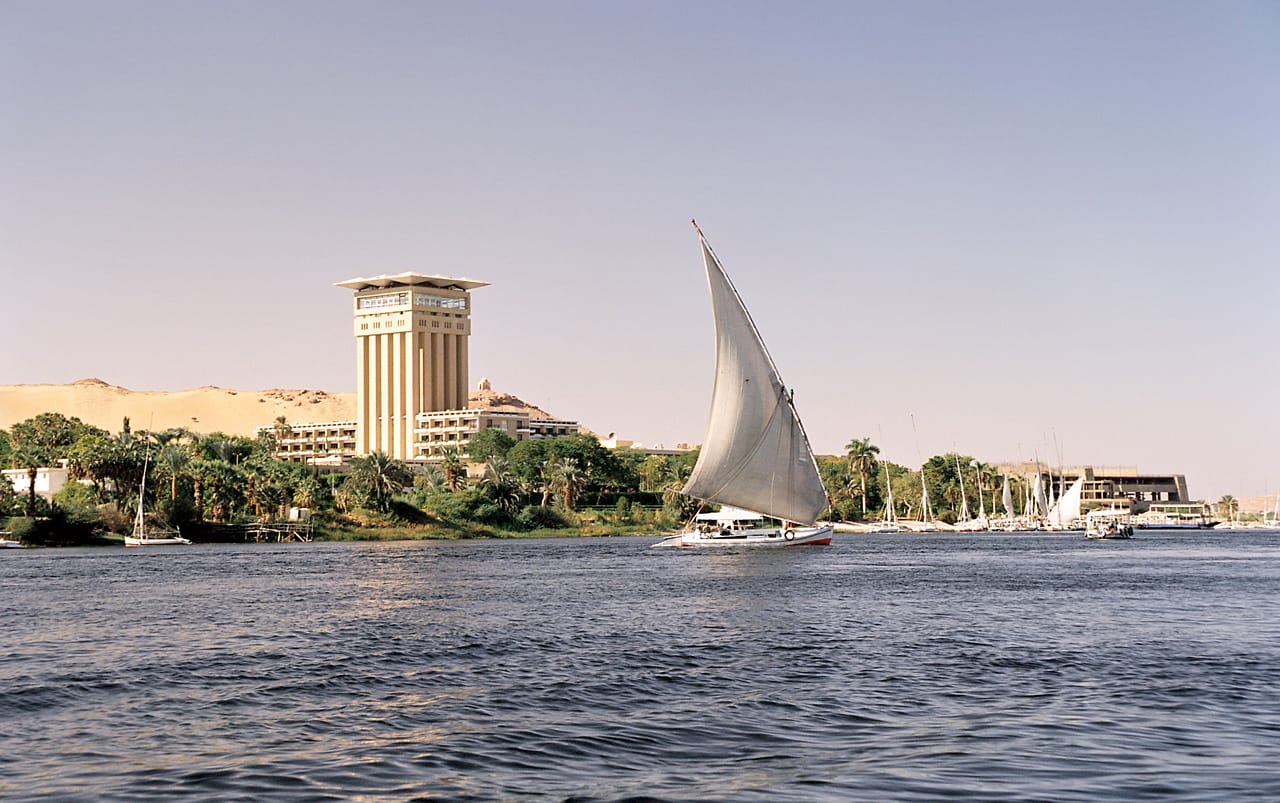
One of Elephantine's most fascinating features is its ancient Nilometer. This ingenious piece of engineering, possibly dating back to the 3rd millennium BC and rebuilt many times, allowed ancient Egyptians to measure the exact height of the Nile's annual flood. It's essentially a staircase descending into the river with precise markings along its walls.
Why was this so incredibly important? Well, for several crucial reasons:
- Farming Forecasts: The height of the flood directly told them how good the next harvest would be. Priests and officials used these readings to predict crop yields and plan out food distribution.
- Fair Taxation: The government actually adjusted taxes based on how high the Nile rose. A bigger flood meant better harvests and higher taxes; a lower flood meant less food and tax relief. Genius, right? It ensured taxes were fair based on what farmers could actually produce.
- Early Warnings: The Nilometer provided crucial advance notice if a flood was going to be dangerously high (threatening towns) or alarmingly low (meaning famine). This gave them time to prepare.
- Sacred Connection: The flood's arrival and its height held deep religious meaning, tied to Khnum, who they believed controlled the flood from his legendary cavern beneath Elephantine Island. Priests actually performed rituals right there at the Nilometer during flood season.
The Elephantine Nilometer is one of the best-preserved examples of this vital ancient technology, a clear demonstration of just how smart Egyptian engineers were and how much practical knowledge they wielded to manage a civilization entirely dependent on the Nile's endless cycle.
Want to explore Elephantine Island: Aswan's Ancient Heart & Nubian Soul?
Let us design the perfect private itinerary for you. From expert local guides to seamless luxury cruises, we craft custom trips that show you the real Egypt.
Customize via WhatsAppArchaeological Highlights You Can Explore
The Temple of Khnum
Dedicated to Khnum, the ram-headed creator god who literally controlled the Nile's life-giving flood, this was Elephantine's main religious hub. While it's largely in ruins today, you can still see the foundations, column bases, and scattered architectural fragments that hint at its original grandeur. It wasn't built all at once; dynasties from the Old Kingdom right through the Ptolemaic Period added to and changed it over centuries.
Digs here have unearthed stunning reliefs, hieroglyphic inscriptions, and architectural pieces, many of which are now housed in the Aswan Museum. Its location at the very southern tip of the island points to its deep religious significance, especially since ancient Egyptians believed the Nile's source was in caverns beneath Elephantine.
Ancient Residential Areas: Life Unveiled
Unlike most ancient sites, where you primarily see royal tombs and grand temples, Elephantine preserves extensive remains of everyday residential districts. This is rare and incredible! These ruins offer a unique window into how ordinary Egyptians lived, their city planning, domestic architecture, and social structure. You can walk among the mud-brick house foundations, arranged along narrow streets, seeing layouts for living areas, storage, cooking, and sleeping quarters.
It's a chance to truly imagine daily life thousands of years ago.
The Aswan Museum
Inside a building originally designed for Sir William Willcocks, the British architect behind the Old Aswan Dam, you'll find the Aswan Museum right here on Elephantine. It's packed with artifacts found on the island and from the wider Aswan region. Think pottery, statues, stelae, mummies, jewelry, tools, weapons, and everyday items spanning from prehistoric times to the Islamic era.
Don't miss the exhibits related to the Temple of Khnum, the fascinating Aramaic papyri (a truly unique find), and objects showcasing Nubian cultures. The museum does an excellent job of providing context for all the archaeological sites you'll explore right outside its doors.

Want to explore Elephantine Island: Aswan's Ancient Heart & Nubian Soul?
Let us design the perfect private itinerary for you. From expert local guides to seamless luxury cruises, we craft custom trips that show you the real Egypt.
Customize via WhatsAppThe Nubian Villages: A Living Tapestry of Culture
Siou and Koti: A New Beginning
Head to the northern part of Elephantine, and you'll step into a different world: the traditional Nubian villages of Siou and Koti. These are home to Nubian families who, after the construction of the Aswan High Dam, found new homes here. They've held onto their vibrant cultural identity, language, traditions, and unique architectural styles, creating a genuinely lively, breathing heritage that contrasts so beautifully with the ancient ruins elsewhere on the island.
Homes Bursting With Color and Character
Nubian houses on Elephantine are instantly recognizable for their distinctive look:
- Explosion of Color: Houses are painted in brilliant blues, yellows, pinks, greens – a true kaleidoscope that’s visible from across the Nile. These colors aren't just pretty; they often carry cultural meaning.
- Intricate Patterns: Look closely at the walls, and you'll see geometric designs, nature motifs (palm trees are common), and sometimes elegant Arabic calligraphy or traditional Nubian symbols. Many homes even have decorative plates embedded right into the walls.
- Smart Architecture: Traditional Nubian homes are built for comfort in the desert heat, with domed roofs for cooling, thick walls for insulation, small windows to keep out heat, and central courtyards for ventilation and family gatherings.
- Welcoming Doorways: Entrances are often specially decorated with elaborate designs and protective symbols, reflecting the deep tradition of Nubian hospitality.
Immersing Yourself in Nubian Life
Simply wandering through Elephantine's Nubian villages offers cultural experiences that are becoming increasingly rare. It's a real privilege:
- Heartfelt Hospitality: Nubians are famous for their warmth. Villagers will often greet you with genuine smiles, and many families might even invite you in for tea, to see their home, or to chat about Nubian culture. These aren't commercial overtures; it's true hospitality that creates unforgettable memories.
- Traditional Crafts: Keep an eye out for families practicing traditional crafts like basket weaving, pottery, textile arts, and jewelry making. You can often watch artisans at work and buy beautiful, authentic handmade items directly from them.
- The Nubian Language: While most Nubians speak Arabic, their unique language (or rather, related languages) is still actively spoken, especially by older generations. Hearing it spoken is a cool connection to this ancient linguistic tradition.
- Music and Dance: If you're lucky, especially during festivals or arranged performances, you might experience Nubian musical traditions with their distinctive rhythms, instruments (drums and tambourines are key!), and unique dance styles.
- Unique Cuisine: Some families offer traditional Nubian meals, featuring dishes quite different from standard Egyptian fare. It's a delicious chance for a culinary adventure.
Being a Respectful Traveler
When you visit Elephantine's Nubian villages, remember that respectful behavior goes a long way:
- Always ask for permission before taking photos of people or venturing onto private property.
- Be mindful of local customs and privacy.
- Buy fairly from local artisans; avoid aggressive bargaining.
- Dress modestly and act respectfully, remembering it's a conservative culture.
- If you're offered hospitality, accept it graciously. It's usually genuine, not a sales pitch.
- Learning a basic Nubian greeting or 'thank you' can really show your respect.

Planning Your Visit to Elephantine Island
Getting There and Around
Elephantine is surprisingly easy to reach from Aswan's Corniche:
- Public Ferry: This is the most authentic and economical way. Ferries run regularly (about every 30 minutes) from the Corniche landing near the Aswan Museum. The short ride costs just a few Egyptian pounds. Most locals use this.
- Private Motorboat: If you want more flexibility, you can hire a motorboat taxi from various points on the Corniche. You can negotiate the price and have them take you directly where you want on the island.
- Felucca Sailboat: For a more leisurely, romantic experience, charter a traditional felucca. Often, this can be combined with a longer Nile cruise around other Aswan islands.
No matter which you choose, the crossing only takes about 5-10 minutes, offering lovely views and a refreshing breeze.
What to See and Do On the Island
Plan for 2-4 hours to properly explore Elephantine, depending on how deep you want to go:
- Archaeological Sites (1-2 hours): Wander through the ruins of the Temple of Khnum, marvel at the Nilometer, explore the ancient residential remains, and spend time in the Aswan Museum.
- Nubian Villages (1-2 hours): Get lost (pleasantly!) in Siou and Koti. Admire the colorful houses, maybe chat with some friendly locals, pop into a craft workshop, and open yourself up to the chance of being invited for tea.
- Quiet Reflection: Find a cozy spot along the riverbank to just relax, watch the Aswan skyline across the water, and enjoy the rhythm of traditional boats passing by.
- Photography: This island is a photographer's dream. Those colorful Nubian houses, ancient ruins, stunning Nile views, and all that vibrant village life offer endless opportunities for amazing shots.
Combining Your Visit
Elephantine Island pairs beautifully with other Aswan attractions:
- Kitchener's Island: Right next door, this botanical garden is a short boat ride away.
- Tombs of the Nobles: Over on the West Bank (about 15 minutes by boat), these rock-cut tombs of Aswan's ancient governors offer incredible views across the Nile.
- Nubian Museum: Located on the East Bank (about 10 minutes away), this comprehensive museum dives deep into Nubian culture and history.
- Philae Temple: About 20 minutes south, this stunning Ptolemaic temple on Agilkia Island is truly breathtaking.
Many visitors combine Elephantine with Kitchener's Island in a single morning or afternoon outing, saving other Aswan highlights for separate days.

Ready to turn this guide into reality?
Our local experts can create a custom itinerary based on these recommendations. Just send us a quick message!
Customize via WhatsApp