
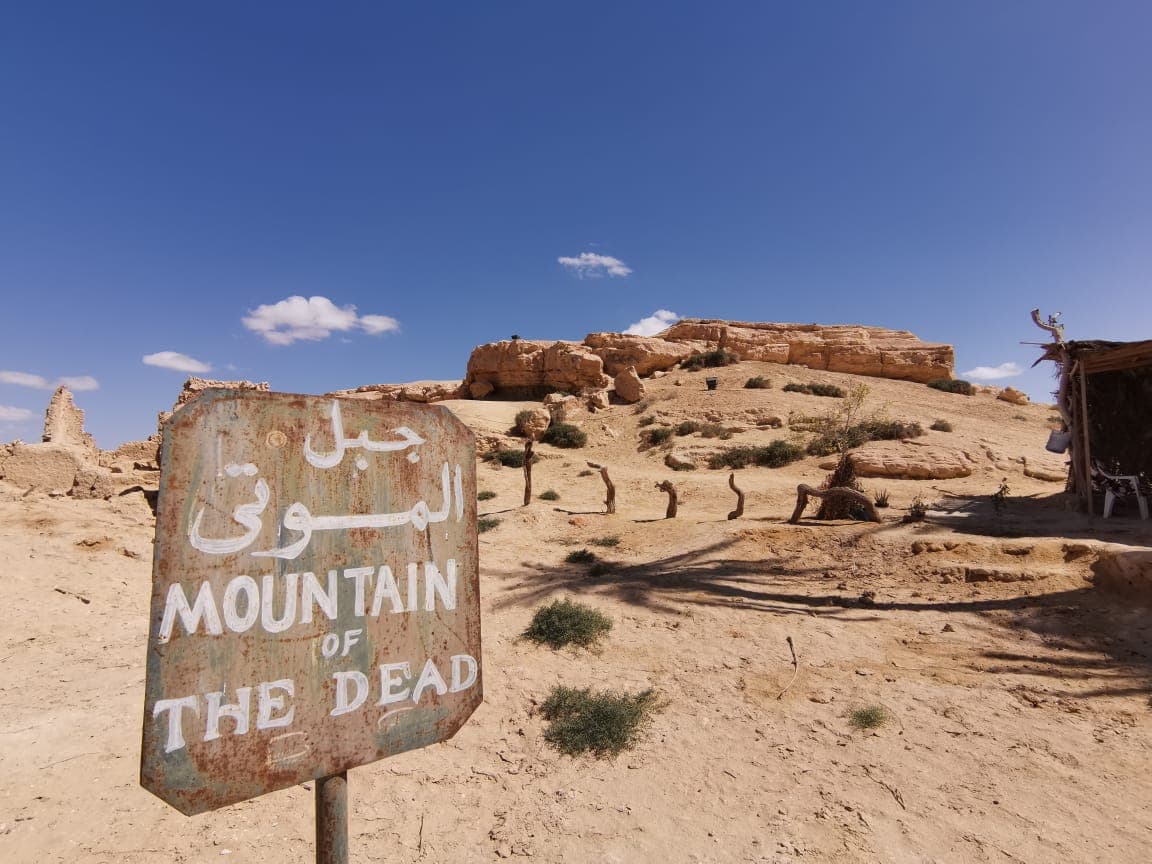
Mountain of the Dead: Tours, Tickets & Visitor Guide
About Mountain of the Dead
Unveiling the Secrets of Siwa's Mountain of the Dead
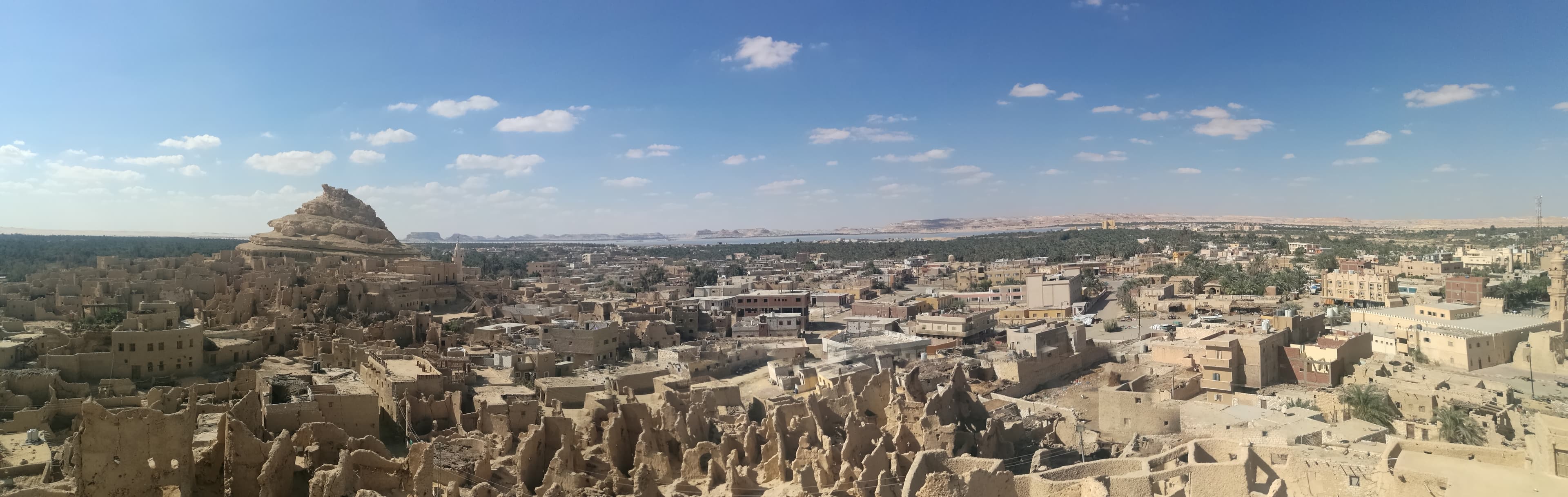
Dominating the periphery of the ancient Siwa Oasis, the aptly named 'Mountain of the Dead' – or Gebel al-Mawta – stands as an enduring monument to epochs past. This distinctive conical elevation is more than a mere geological feature; it represents an expansive burial ground, intricately honeycombed with hundreds of sepulchres primarily from the Greco-Roman period, though earlier interments have been identified.
As you ascend its slopes, you'll uncover antique tombs sculpted directly into the rock, offering profound insights into Siwa's Greco-Roman era. The true marvels reside within these subterranean chambers.
While numerous tombs are straightforward, unadorned recesses, a select few boast remarkably preserved frescoes and elaborate carvings that provide a vivid portal into the funerary customs and daily existence of ancient Siwans. You will encounter vibrant depictions of deities, scenes of ritual offerings, and hieroglyphic inscriptions that narrate a rich cultural tapestry.
Gebel al-Mawta is an essential stop for any traveler seeking to delve into the unique blend of cultures that defined ancient Siwa, offering a hauntingly beautiful and deeply educational experience.
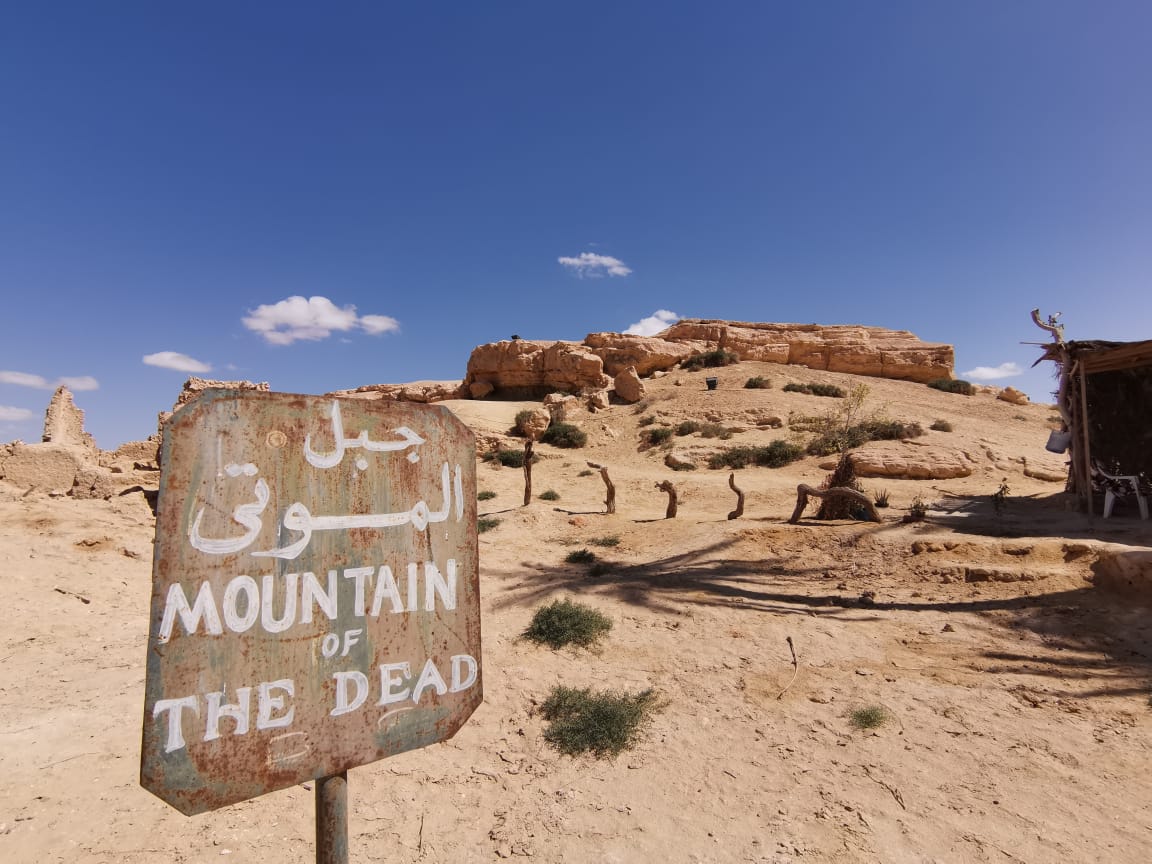
What Makes the Mountain of the Dead Special?
Gebel al-Mawta served as the primary internment site for Siwa's populace for centuries, with its most active period extending from the 26th Dynasty (approximately 664-525 BCE) through the Greco-Roman era (332 BCE - 395 CE). The earliest tombs are simpler, often single chambers, reflecting traditional Egyptian burial practices. However, the majority and most intricate tombs date to the Greco-Roman period.
During this time, Siwa, despite its geographical isolation, maintained cultural connections with the wider Hellenistic and Roman worlds. This influence is strikingly evident in the tomb decorations, where traditional Egyptian iconography and funerary beliefs seamlessly merge with Greek artistic styles and occasionally even Roman influences.
- A Unique Cultural Tapestry: The tombs at Gebel al-Mawta showcase a fascinating fusion of ancient Egyptian funerary traditions with Hellenistic and Roman artistic elements, reflecting Siwa's unique position as a cultural crossroads in antiquity.
- Remarkably Preserved Art: Despite their age, several tombs contain frescoes and carvings that retain astonishing vibrancy, offering a rare glimpse into the artistic prowess and belief systems of ancient Siwans.
- Panoramic Oasis Views: Beyond the historical significance, the summit of Gebel al-Mawta offers breathtaking panoramic views of the entire Siwa Oasis, making the climb worthwhile for both history buffs and nature lovers.
- Intimate Glimpse into Ancient Lives: Exploring these ancient burial chambers provides a deeply personal connection to the past, allowing visitors to ponder the lives and beliefs of those who once inhabited this isolated oasis.
What to See Inside the Mountain
Among the most celebrated tombs are those that feature elaborate decorations, each telling a distinct story:
The Tomb of Si-Amun
Distinguished by its exquisite, nearly pristine paintings of the underworld and divinities such as Osiris, Nut, and the sky goddess, this tomb is a highlight. The vibrancy of the colors and the detail of the hieroglyphics are truly captivating, offering a vivid depiction of the ancient Egyptian journey to the afterlife. Si-Amun himself is depicted as a wealthy merchant, and his tomb is a testament to the prosperity and artistic sophistication of the Greco-Roman period in Siwa.
The Tomb of the Crocodile
Named for its distinctive iconography, which features a crocodile deity, this tomb presents another fascinating example of the syncretic religious practices of ancient Siwa. While less ornate than Si-Amun's, its unique motifs are incredibly valuable for understanding local religious beliefs.
The Tomb of Mesu-Isis
This tomb, originating from an earlier dynasty (26th Dynasty), offers a glimpse into the older, more traditional Egyptian burial styles found at Gebel al-Mawta. Its simpler design and older hieroglyphics provide a contrast to the later Greco-Roman tombs, illustrating the evolution of burial practices over centuries.
Other Notable Tombs
Many other tombs, though less extensively decorated, still offer insights into the construction techniques and funerary customs. Exploring the various chambers allows visitors to appreciate the sheer scale of this ancient necropolis.
How to Visit the Mountain of the Dead
Getting There
Gebel al-Mawta is located just a short distance from Siwa Town. The most common way to reach it is by hiring a local tuk-tuk or a bicycle. The ride is brief and offers a pleasant introduction to the oasis's surroundings. Many tours of Siwa Oasis also include a stop at Gebel al-Mawta.
Tickets and Entrance
There is an entrance fee to access the Mountain of the Dead. Tickets can be purchased at the site's entrance. It's advisable to carry small Egyptian Pounds for convenience. Some tombs may have an additional, small fee or require a local guide to illuminate specific details and ensure preservation.
Time Needed
Allow approximately 1.5 to 2 hours to fully explore the Mountain of the Dead. This includes time for the climb to the summit, visiting the main decorated tombs, and soaking in the panoramic views. If you wish to linger and explore more of the less-decorated tombs, you might extend your visit to 3 hours.
Best Time to Visit & Essential Tips
The best time to visit Gebel al-Mawta, and indeed Siwa Oasis in general, is during the cooler months, from October to April. During these months, temperatures are much more comfortable for exploring. Avoid the peak summer months (June-August) when the desert heat can be intense.
- Wear Comfortable Shoes: The ascent to the summit involves some uneven terrain and steps carved into the rock, so sturdy, comfortable walking shoes are essential.
- Bring Water: Hydration is key, especially when exploring in the desert environment.
- Sun Protection: A hat, sunglasses, and sunscreen are highly recommended, as there is little shade on the mountain.
- Flashlight/Headlamp: While some tombs are lit, a small flashlight or headlamp can be incredibly useful for exploring deeper recesses and appreciating the intricate details of the frescoes.
- Respect the Site: Remember that this is an ancient burial ground. Treat it with respect, do not touch the frescoes or carvings, and follow any instructions from local guides or site staff.
- Hire a Local Guide: While not strictly necessary, a local Siwan guide can enhance your visit immensely, providing historical context, deciphering inscriptions, and sharing local insights that you might otherwise miss.
A visit to Gebel al-Mawta is a journey back in time, offering a profound appreciation for the ancient civilizations that thrived in this secluded corner of Egypt. It's a place where history, art, and spirituality converge, leaving an indelible impression on every traveler.
Historical Significance
A Necropolis Through Time
Gebel al-Mawta served as the primary internment site for Siwa's populace for centuries, with its most active period extending from the 26th Dynasty (approximately 664-525 BCE) through the Greco-Roman era (332 BCE - 395 CE). The earliest tombs are simpler, often single chambers, reflecting traditional Egyptian burial practices.
Greco-Roman Influence and Artistic Flourish
However, the majority and most intricate tombs date to the Greco-Roman period. During this time, Siwa, despite its geographical isolation, maintained cultural connections with the wider Hellenistic and Roman worlds. This influence is strikingly evident in the tomb decorations, where traditional Egyptian iconography and funerary beliefs seamlessly merge with Greek artistic styles and occasionally even Greek inscriptions. This cultural fusion is a hallmark of Siwan art from this epoch.
The careful preservation of these painted tombs, particularly those belonging to prominent figures like Si-Amun, provides invaluable archaeological insights for understanding the distinctive cultural identity of ancient Siwa.
Tours Visiting Mountain of the Dead
Private, Egyptologist-guided experiences with tickets and transfers handled for you.
Feel the ancient stone warm beneath your fingertips at the Oracle Temple, where whispers of millennia still seem to linger. This exclusive full-day private…
This 2-day private tour is a compact escape to Siwa Oasis, the remote desert town near Egypt's border with Libya, pairing ancient ruins with a night of desert…
As the sun dips, painting the dunes in hues of orange and purple, you'll feel the soft sand beneath your feet, having just soared down a towering dune on a…

This private, full-day Siwa Oasis tour is an ideal choice for the discerning traveler who seeks a deep connection with both nature and ancient history, away…
While most of Egypt's ancient stories unfold along the life-giving Nile, here in Siwa, the desert itself cradles tales just as profound. Your private day…
This full-day private tour covers Siwa Oasis's principal sights in a single, unhurried day, moving between ancient ruins, natural springs and desert views. The…
Mountain of the Dead — Frequently Asked Questions
Everything you need to know before visiting Mountain of the Dead.
Top attractions in Siwa Oasis
Egypt tours by destination
Browse Egypt tours by category
- 1Egypt Tour Packages
- 2Egypt Day Tours
- 3Nile Cruises
- 4Tailor-Made Tours
- 5Honeymoon Packages
- 6Family Packages
- 7Luxury Packages
- 8Private Packages
- 9Small-Group Packages
- 10All-Inclusive Packages
- 11Last-Minute Egypt Tours
- 12Dahabiya Cruises
- 13Egypt Travel Guide
- 14Egypt Tour Packages from USA
- 15Egypt & Jordan Tour Packages