
Cleopatra's Spring: Tours, Tickets & Visitor Guide
About Cleopatra's Spring
Discover Cleopatra's Spring: An Oasis Gem in Siwa
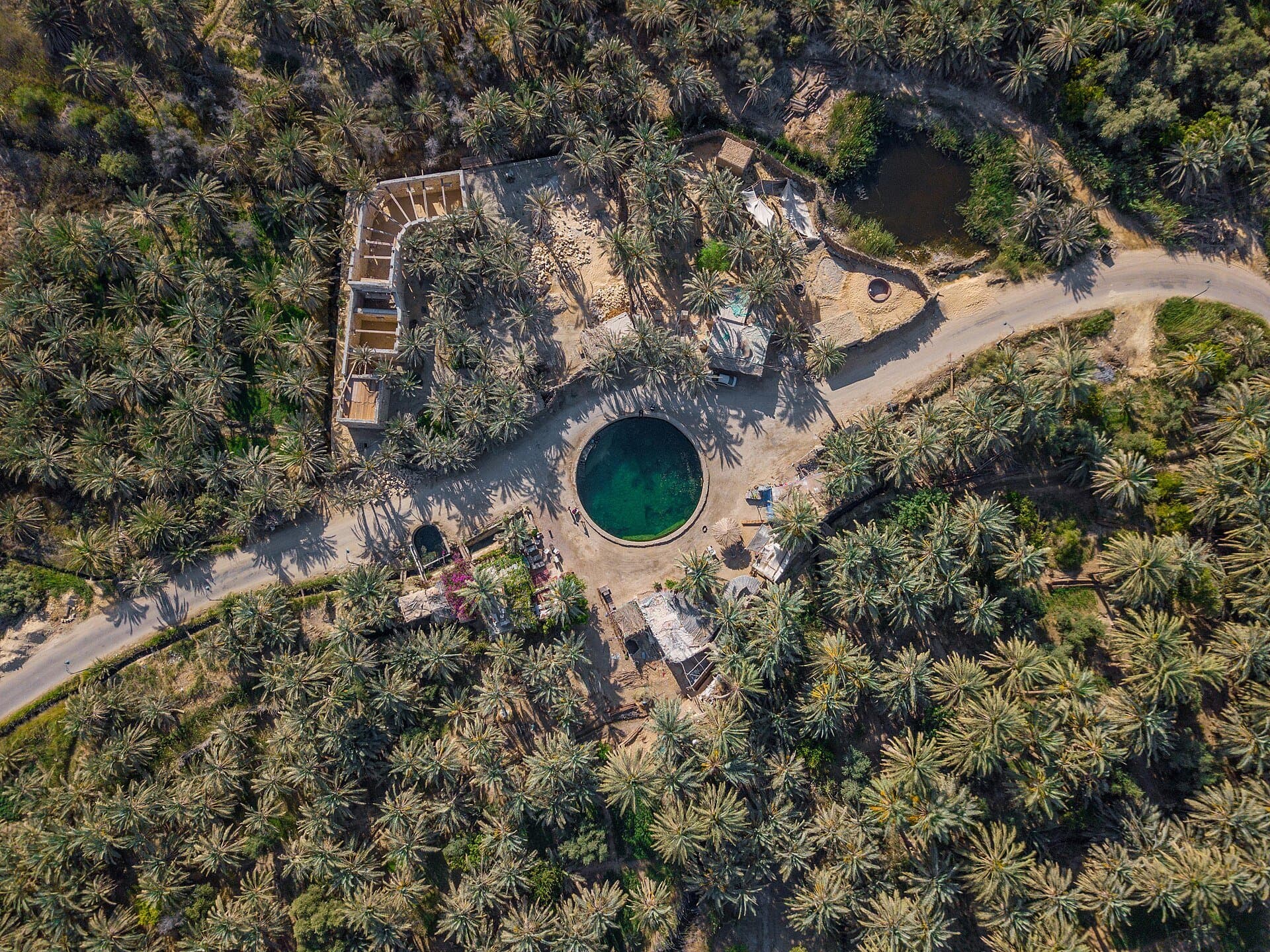
Tucked among the date palm groves of Siwa Oasis, Cleopatra's Spring (also called Ain Guba or Ain Juba) offers a refreshing, history-tinged escape.
Fabled as a favorite stop of Cleopatra, this sizable, clear pool is fed by subterranean water that keeps a pleasant, steady temperature year-round.
Its turquoise surface is a welcome break from the desert heat, creating a tranquil, photogenic setting for a slow swim or a quiet pause.
What Makes Cleopatra's Spring Special?
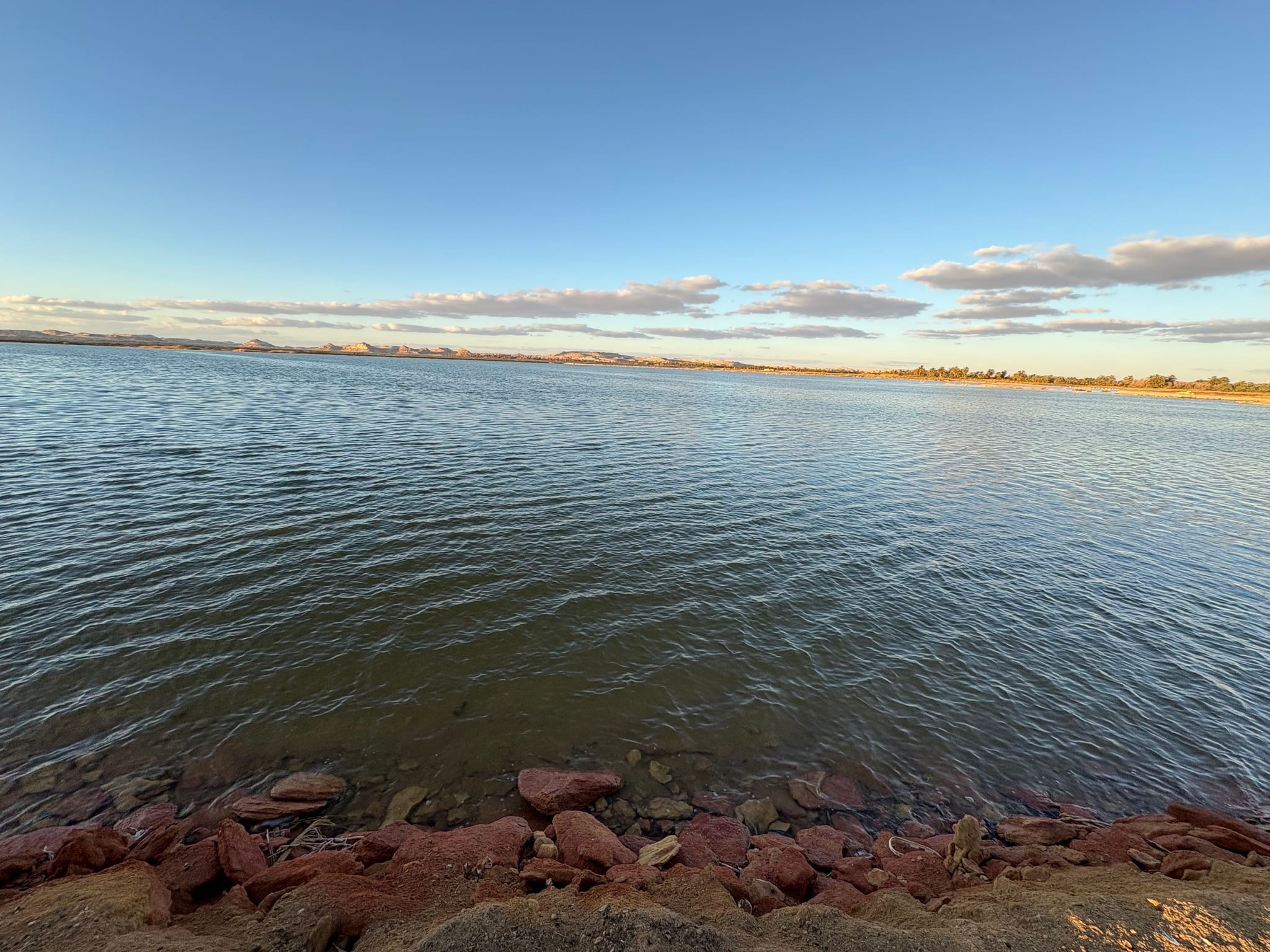
Beyond legend, the spring embodies the life-giving heart of Siwa. For thousands of years its reliable flow has supported people, fields, and daily life in this remote desert.
Though its discovery date is unknown, finds around Siwa point to human presence since the Paleolithic period, highlighting how vital such springs have always been.
The most told story ties the pool to Queen Cleopatra VII. Local lore says she visited Siwa to consult the Oracle of Amun at Aghurmi and swam here, a tale that adds enduring mystique.
The Cleopatra Connection
Picture the last pharaoh of Egypt pausing here to bathe during her fabled journey to the oracle. That image turns a simple dip into a brush with history.
There is no definitive proof she swam in this exact pool, yet the strong oral tradition gives the site a romantic pull that many travelers feel.
Natural Beauty and Tranquility
Lush palms and vivid greenery frame the water, a striking contrast to the surrounding sands.
Under the Siwan sun the pool shimmers, while rustling fronds and distant birdsong set a calm, restorative mood.
What to See and Do
- Swim in the legendary waters: Cool, clear, mineral-rich water is deeply refreshing after desert exploring. Steps often lead into the pool for easy access.
- Relax by the spring: Claim a shaded spot and unwind with a book, a picnic, or simple quiet time.
- Photography: Capture the lush setting, vibrant water, and the site's storied aura.
- Observe local life: This popular gathering place offers a genuine window into Siwan culture.
How to Visit Cleopatra's Spring
Getting There
The spring sits within Siwa Oasis and is easy to reach from Siwa town. Common ways to arrive include:
- Bicycle: Rent a bike and pedal through the palm groves straight to the pool.
- Tuk-tuk: Local tuk-tuks (auto-rickshaws) can take you directly to the spring for a reasonable fare.
- Walking: If you are staying nearby, enjoy a scenic walk along shaded paths.
Tickets & Time Needed
There is typically no entrance fee to visit Cleopatra's Spring.
Plan about 1 to 2 hours for swimming, relaxing, and photos without feeling rushed.
Best Time to Visit & Tips
Best Time to Visit
The pool is pleasant year-round thanks to its consistent temperature. For the most comfort, consider:
- Winter (October to March): Mild days suit swimming and exploring.
- Summer (April to September): The cool water is an ideal respite from intense heat.
Tips for Your Visit
- Bring a swimsuit and towel: Essential for making the most of your time.
- Sun protection: Pack sunscreen, a hat, and sunglasses.
- Water: Stay hydrated, especially if you linger by the pool.
- Respect local customs: Siwa is conservative; dress modestly when not swimming and when moving through town.
- Leave no trace: Dispose of all trash responsibly.
Historical Significance
Ancient Origins and Royal Lore
Cleopatra's Spring, also known as Ain Guba, has sustained Siwa Oasis for thousands of years.
Its steady fresh flow supported life, agriculture, and community in this secluded desert since antiquity.
The exact discovery date is unknown, but archaeological evidence shows human settlements in Siwa dating to the Paleolithic period, underscoring the value of natural springs.
The Cleopatra Connection
The best-known legend links the pool to Queen Cleopatra VII. Local folklore says Egypt's last pharaoh visited Siwa to consult the Oracle of Amun at Aghurmi and swam here.
Concrete proof is lacking, yet the tale endures and shapes the site's romantic, royal aura. Cleopatra was famed for her love of luxurious baths and natural beauty, making the story plausible in context.
Enduring Significance
Across the centuries, the spring remained a community hub. It provided drinking water, irrigated date palms and olive trees, and served as a gathering place.
Today it stands as a living link to Siwa's ancient past and its legendary royal visitor, highlighting how vital natural resources are to oasis culture and survival.
Tours Visiting Cleopatra's Spring
Private, Egyptologist-guided experiences with tickets and transfers handled for you.
Feel the ancient stone warm beneath your fingertips at the Oracle Temple, where whispers of millennia still seem to linger. This exclusive full-day private…
This 2-day private tour is a compact escape to Siwa Oasis, the remote desert town near Egypt's border with Libya, pairing ancient ruins with a night of desert…
As the sun dips, painting the dunes in hues of orange and purple, you'll feel the soft sand beneath your feet, having just soared down a towering dune on a…

This private, full-day Siwa Oasis tour is an ideal choice for the discerning traveler who seeks a deep connection with both nature and ancient history, away…
While most of Egypt's ancient stories unfold along the life-giving Nile, here in Siwa, the desert itself cradles tales just as profound. Your private day…
This full-day private tour covers Siwa Oasis's principal sights in a single, unhurried day, moving between ancient ruins, natural springs and desert views. The…
Cleopatra's Spring — Frequently Asked Questions
Everything you need to know before visiting Cleopatra's Spring.
Top attractions in Siwa Oasis
Egypt tours by destination
Browse Egypt tours by category
- 1Egypt Tour Packages
- 2Egypt Day Tours
- 3Nile Cruises
- 4Tailor-Made Tours
- 5Honeymoon Packages
- 6Family Packages
- 7Luxury Packages
- 8Private Packages
- 9Small-Group Packages
- 10All-Inclusive Packages
- 11Last-Minute Egypt Tours
- 12Dahabiya Cruises
- 13Egypt Travel Guide
- 14Egypt Tour Packages from USA
- 15Egypt & Jordan Tour Packages