
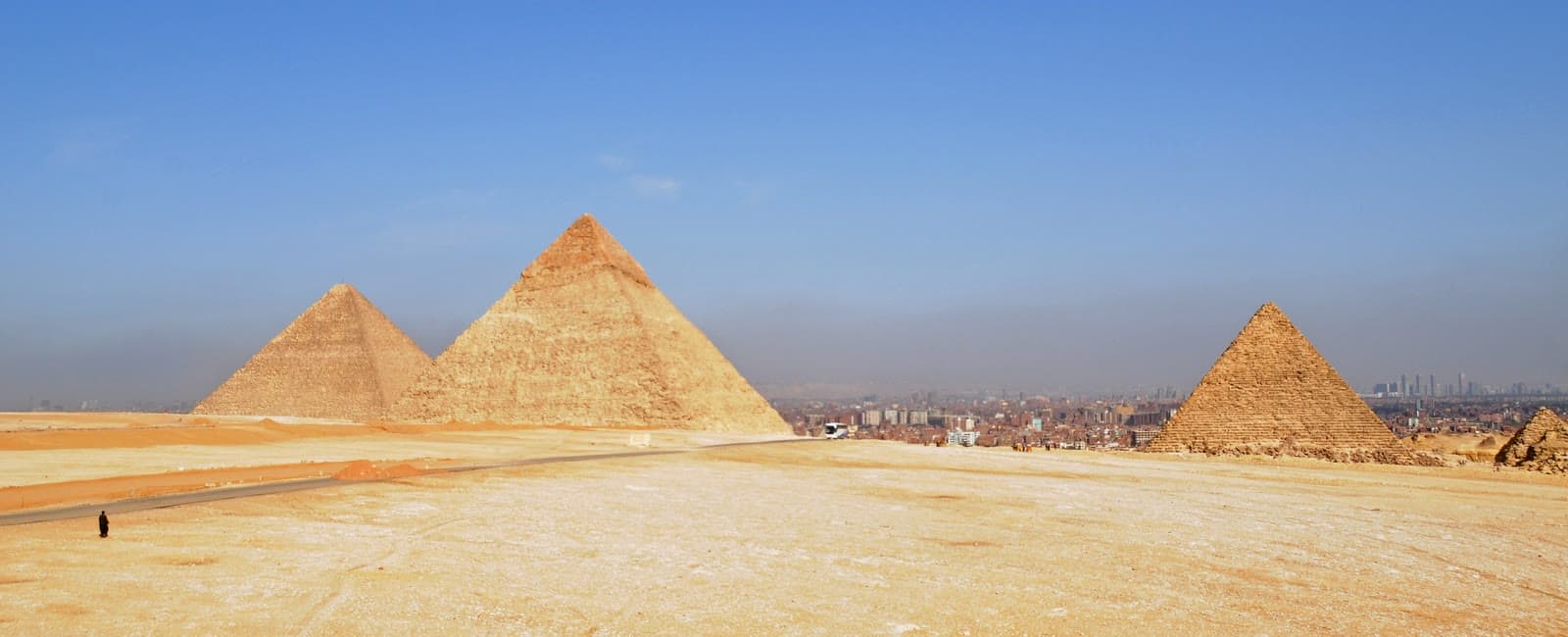

Guests often ask us: is Cairo overwhelming? For a lot of first-timers, yes, and many hit a wall around day 3, when jet lag, heat, traffic and constant offers all land at once. It's manageable. Plan one big site a day, start early and rest properly every afternoon. Three full days covers the essentials, four is more comfortable, and a private guide and driver remove most of the friction.
Is Cairo overwhelming by day 3? The usual causes
Traffic is heavy and the horns never stop. The city is huge and dense (the Wikipedia overview of Cairo gives a sense of the scale), so everything takes longer than the map suggests. Add dust, heat, crowds at the big sites and vendors who approach you every few metres, then put jet lag and early starts on top.
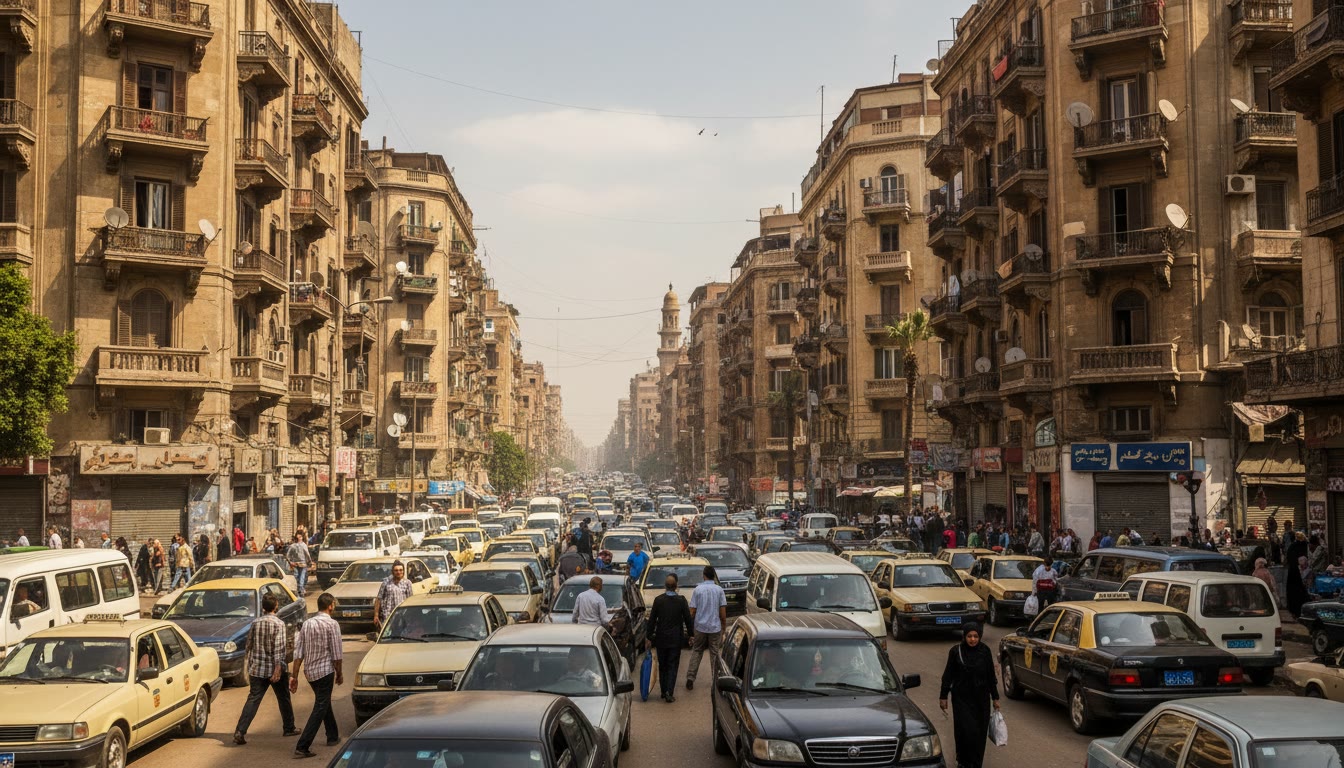
The day-3 timing is predictable. Novelty carries you through the first two days, then the sleep debt and the noise arrive together.
Safety worries are usually overstated on the main tourist circuit. Stamina and over-scheduling are the real problem, and both are fixable.
The mistake we see most is cramming Giza, the museum and the bazaar into one day because they look close together on the map. On paper they are. In practice Cairo journeys are slow and unpredictable, and by the third stop you've got nothing left.
How many days in Cairo is enough
Three full days is the minimum for Giza, the Grand Egyptian Museum and Islamic or Coptic Cairo without rushing. Take four if you want a lighter day or an outing to Saqqara and Dahshur.
Arrival day doesn't count as sightseeing.
We'd steer you away from squeezing Cairo into one or two days as a stopover. It's how plenty of people reach Luxor already flat and spend their Valley of the Kings morning in a daze. Cairo to Luxor is only about 1 hour by air, so you don't need padding days for transfers.
On a 7-day trip, around 3–4 nights in Cairo with the rest split between Luxor and Aswan works well; you can see how that balance looks in our 7-day Egypt packages. If you travel slowly, 10 days is the better choice. It lets Cairo breathe and gives you rest days further south.
A sample 4-day Cairo pace: one big site, one slow afternoon
| Day | Morning | Afternoon | Evening |
|---|---|---|---|
| Day 1 | Arrive, no commitments | Hotel check-in, rest, a short walk nearby | Quiet riverside dinner, early night |
| Day 2 | Giza plateau at opening time: the pyramids and the Sphinx | Back at the hotel by lunchtime for a long rest or pool | Light dinner |
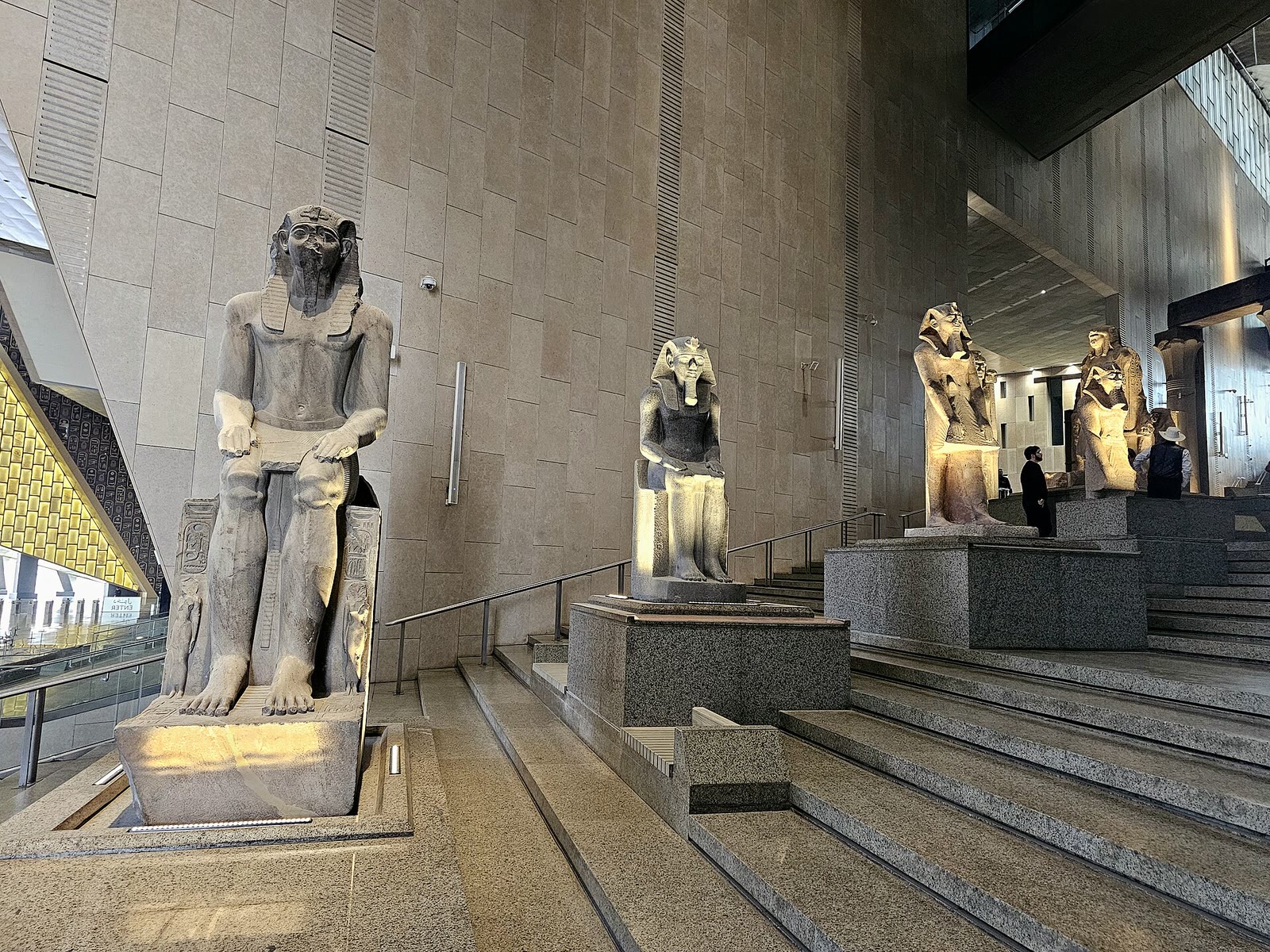
| Day 3 | Grand Egyptian Museum with the Tutankhamun galleries, around 3–4 hours (guided museum visit) | Long lunch, then nothing scheduled | Free, or an early night |
| Day 4 | Citadel and Al-Muizz Street in the cooler morning | Rest at midday | Khan el-Khalili from late afternoon into the evening |
The Grand Egyptian Museum sits beside the Giza plateau, but it's a separate place from the old Egyptian Museum on Tahrir Square, and it deserves its own day. Don't try to see everything. Pick the Tutankhamun galleries and a handful of other highlights, and leave when your feet say so.
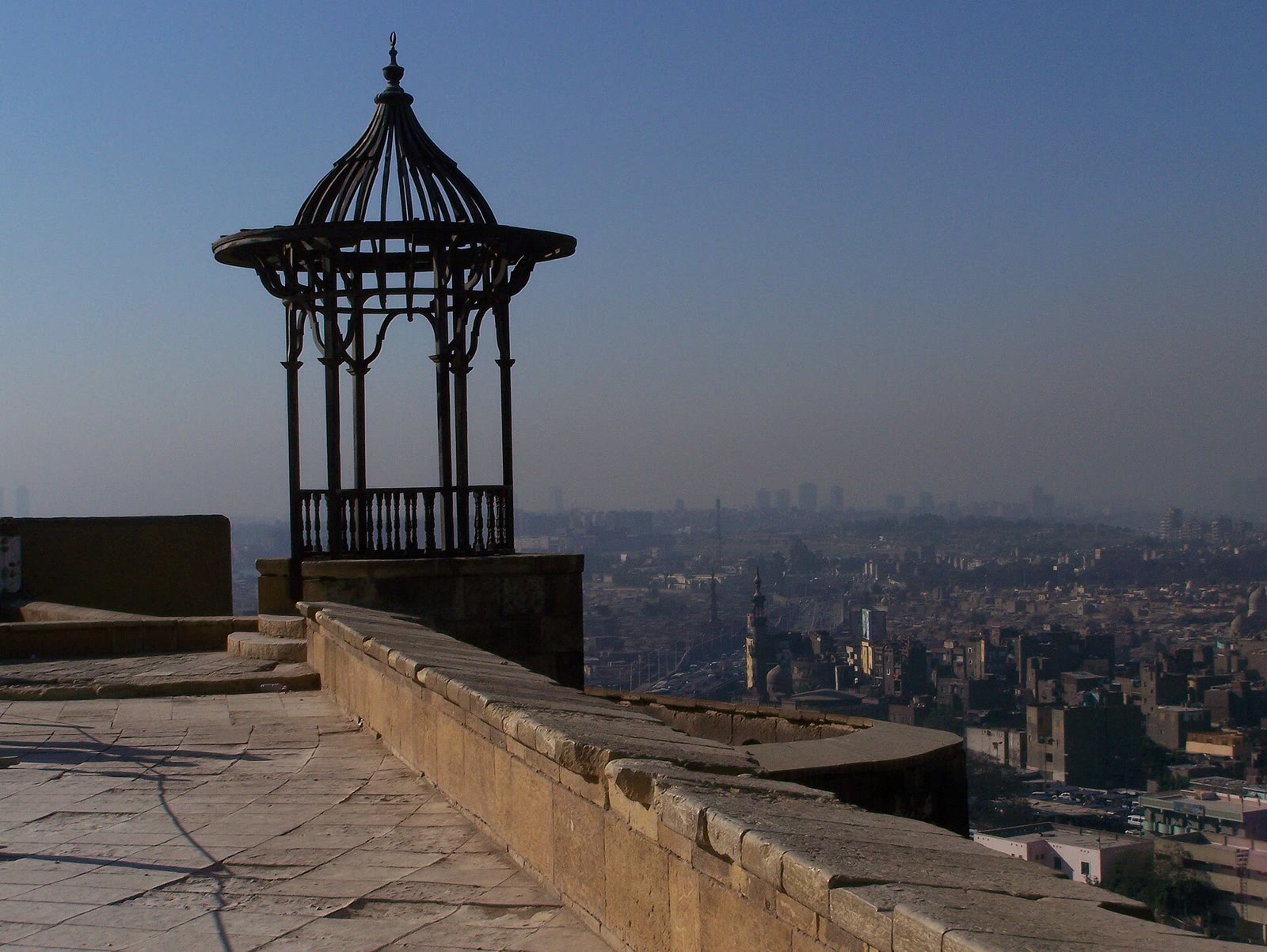
Islamic Cairo is large enough to be listed by UNESCO as Historic Cairo, so you won't finish it in a morning either. That's why we keep the Citadel and Al-Muizz Street to the cooler hours and save the bazaar for later.
If you'd rather go to Saqqara and Dahshur, the half-day replaces one of these days instead of adding a fifth. Confirm opening hours and ticket costs close to your travel dates, because both change.
Best times of day and year for Cairo
Do the big site near opening. The air is cooler, the crowds are thinner, and you can be finished by late morning. We'd skip midday at Giza in the warmer months: the plateau has almost no shade and the light is flat anyway.
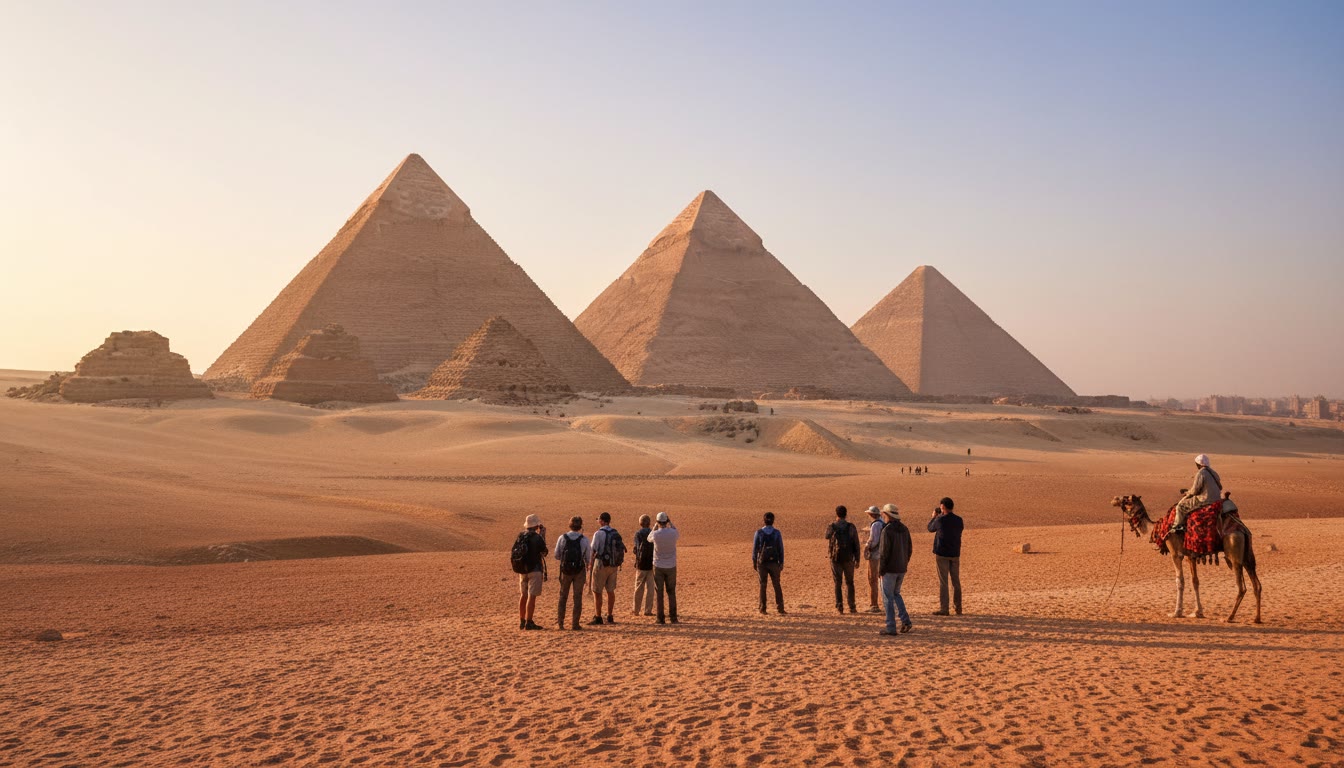
October to April is the best window for most of Egypt. June to August is very hot, often above 40°C in Luxor and Aswan, and Cairo is hot and tiring too. In summer, shorten your days, plan an indoor break at midday and put the heavy walking inside the museum. Leave Khan el-Khalili and the Nile dinner for the evening.
Pack a hat, sunglasses, sunscreen, a refillable water bottle and comfortable closed shoes, because the ground at the pyramids is dusty and uneven. Our guide to staying cool and comfortable in Egypt covers clothing and heat in more detail.
Weekends and school holidays bring local crowds to some sites, so ask your guide about timing rather than assuming a quiet slot will stay quiet.
See it for yourself
Trips that visit the places in this article.

This 10-day tour moves through four distinct regions of Egypt, opening in Cairo, sailing the Nile between Luxor and Aswan, and finishing with beach time on the…

This 11-day tour moves between Cairo, a Nile cruise from Luxor to Aswan, and a final stretch in Hurghada, connecting each leg by domestic flight so the pace…
Want a different route or length? We'll build it around you.
Handling noise, traffic and constant offers
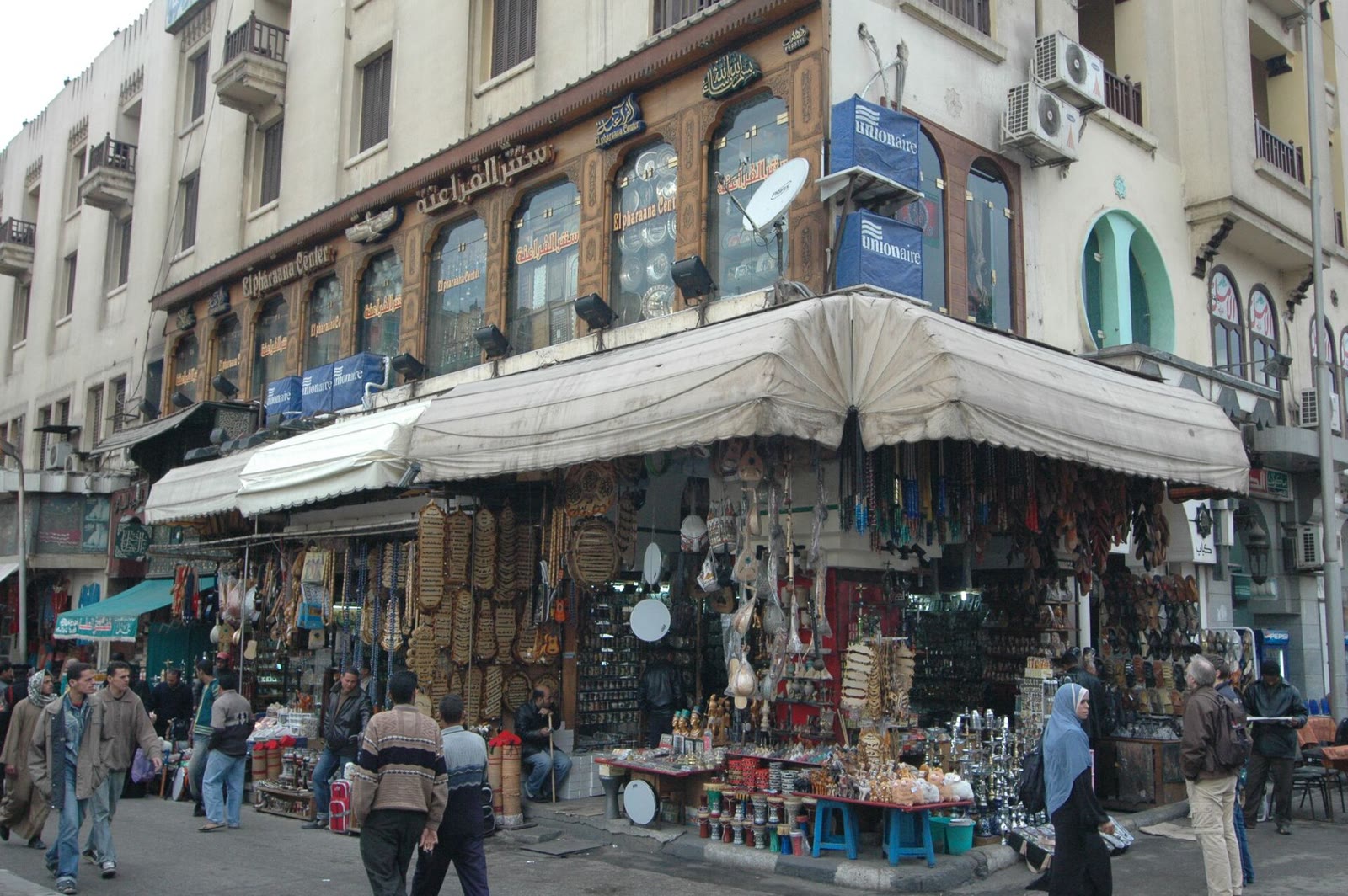
A calm "no, thank you" and a steady walk works better than engaging or explaining. Don't accept anything placed in your hand, whether it's a "gift", a scarf or a photo favour, because payment will be expected.
At Giza we'd skip unsolicited camel and horse offers altogether. If you do want a ride, agree the price and the duration before you climb on, or arrange it through your guide.
Journey times in Cairo swing wildly by the hour, so allow generous buffers and never book a tight timed entry after a long drive. Friday mornings are usually quieter on the roads, which makes them a good slot for crossing the city.
For noise, choose a hotel on a quieter street or a higher floor and bring earplugs for sleep. Build one quiet pocket into each day: a garden, a pool or a long coffee will do.
Go into Khan el-Khalili with a rough budget and a limit of an hour or two. Bargaining is expected, and it's fine to walk away.
Want to explore Is Cairo Overwhelming? How to Pace Your First Visit?
Let us design the perfect private itinerary for you. From expert local guides to seamless luxury cruises, we craft custom trips that show you the real Egypt.
What a private guide and driver take off your plate
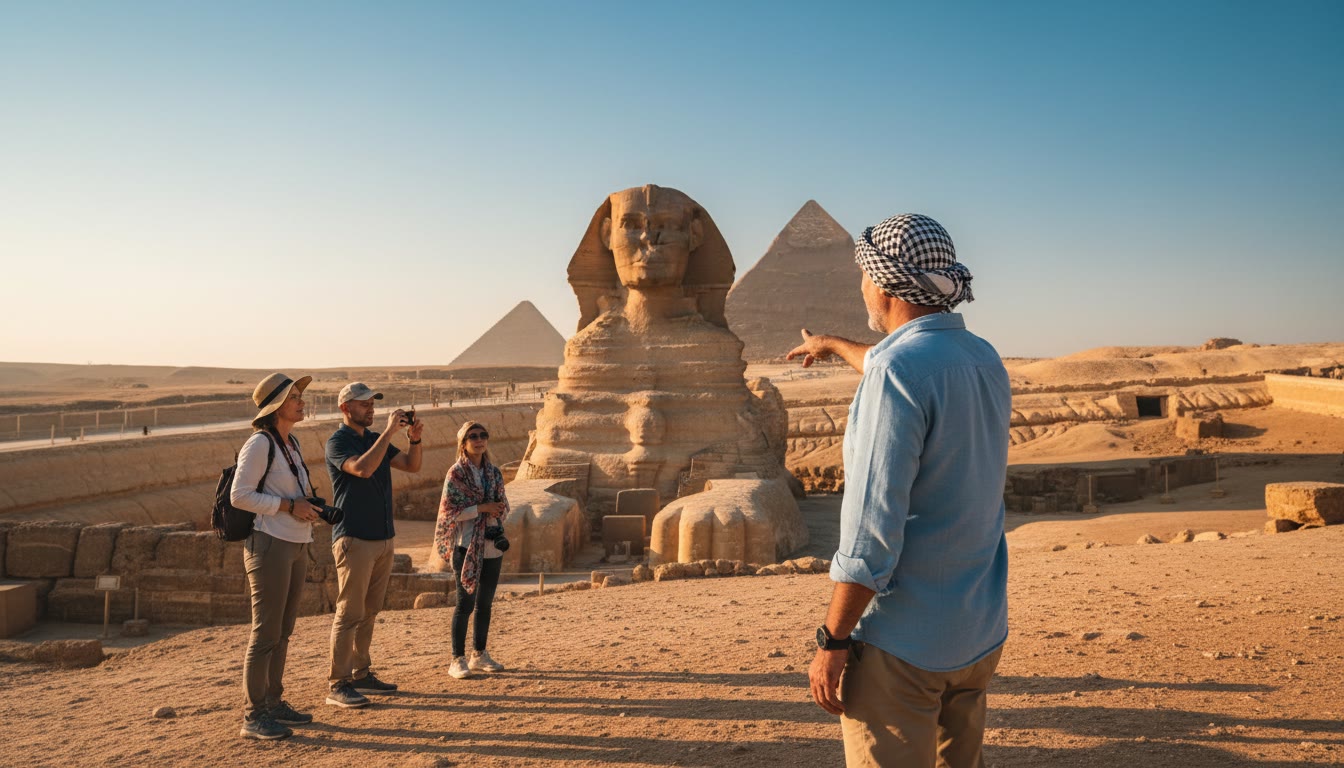
- Hotel pick-up and drop-off in an air-conditioned car, so you never negotiate with taxis.
- Tickets and entry logistics handled for you.
- Routes timed around the worst crowds and traffic.
- Someone who deals with vendors so you don't have to.
- Lunch and bathroom stops you can rely on, and changes on the spot when you're tired.
For a first visit, a private guide and driver matter more in Cairo than almost anywhere else in Egypt. Logistics, not sights, are what wear people out here.
There are trade-offs. It costs more than a group tour or going alone, and some confident, experienced travellers manage Cairo independently without trouble. Group tours do solve logistics, but they usually run a fixed pace you can't slow down.
With a private setup you can end the morning early, add a long lunch or drop the afternoon without losing a booking. Our private Egyptologist guides are licensed, and we build tailor-made itineraries around the pace you actually want.
What to cut when you're already flagging
If you're on day 2 or 3 and drained, cancel the afternoon. Eat a proper lunch, drink water, and sleep before you decide anything about the evening. Most people feel different after two hours lying down.
You can safely drop second-tier museums, the third mosque and a late-night bazaar visit. Don't drop the pyramids or the Grand Egyptian Museum.
If crowds are the main stress, swap a busy site for a quieter one. Dahshur and Saqqara are both far calmer than Giza, with room to walk without being steered. A hotel with a pool or garden is a real asset in Cairo, and a sit-down meal beats rushing to the next sight.
Before you travel, check the official portal for your visa. It's about USD 30 for a single entry for many nationalities. If you'd like an itinerary adjusted to your energy levels, message us on WhatsApp at +20 106 023 3393.
Frequently asked questions
Is Cairo overwhelming for first-time visitors?
Yes, for many people, though the cause is logistics rather than danger. Traffic, noise, heat, crowds and constant offers at tourist sites wear you down faster than you expect. Planning one major site a day, starting early and resting each afternoon makes Cairo manageable, and a private guide and driver remove most of the daily friction.
Want to explore Is Cairo Overwhelming? How to Pace Your First Visit?
Let us design the perfect private itinerary for you. From expert local guides to seamless luxury cruises, we craft custom trips that show you the real Egypt.
How many days in Cairo is enough?
Three full days covers Giza, the Grand Egyptian Museum and Islamic or Coptic Cairo at a steady pace. Four days is better if you want a slow day or an outing to Saqqara and Dahshur. Don't count your arrival day as sightseeing, especially after a long flight, or you'll feel the shortfall by day 3.
What is the best time of day to visit the Pyramids of Giza?
Early, around opening time, when the air is cooler and the crowds are thinner. Plan to finish by late morning or lunchtime, then head back for a rest. Opening times can change, so confirm the current hours shortly before you go rather than relying on an old guidebook.
Is it worth hiring a private guide and driver in Cairo?
For a first visit we'd say yes. The guide handles tickets, vendors and timing, and the driver removes taxi haggling and traffic stress, so your energy goes into the sites. It costs more than a group tour or going alone, so the answer depends on your budget and how confident you are travelling independently.
What is the best season to visit Cairo to avoid heat fatigue?
October to April is the most comfortable period for most of Egypt. June to August is very hot, often above 40°C in Luxor and Aswan, and tiring in Cairo too. If you travel in summer, shorten your days and move heavy walking to early morning or evening, with a proper indoor break at midday.
Planning a trip to Egypt?
Let us handle the details. From private guides to luxury Nile cruises, we create custom itineraries that show you the real Egypt.
Customize via WhatsApp