
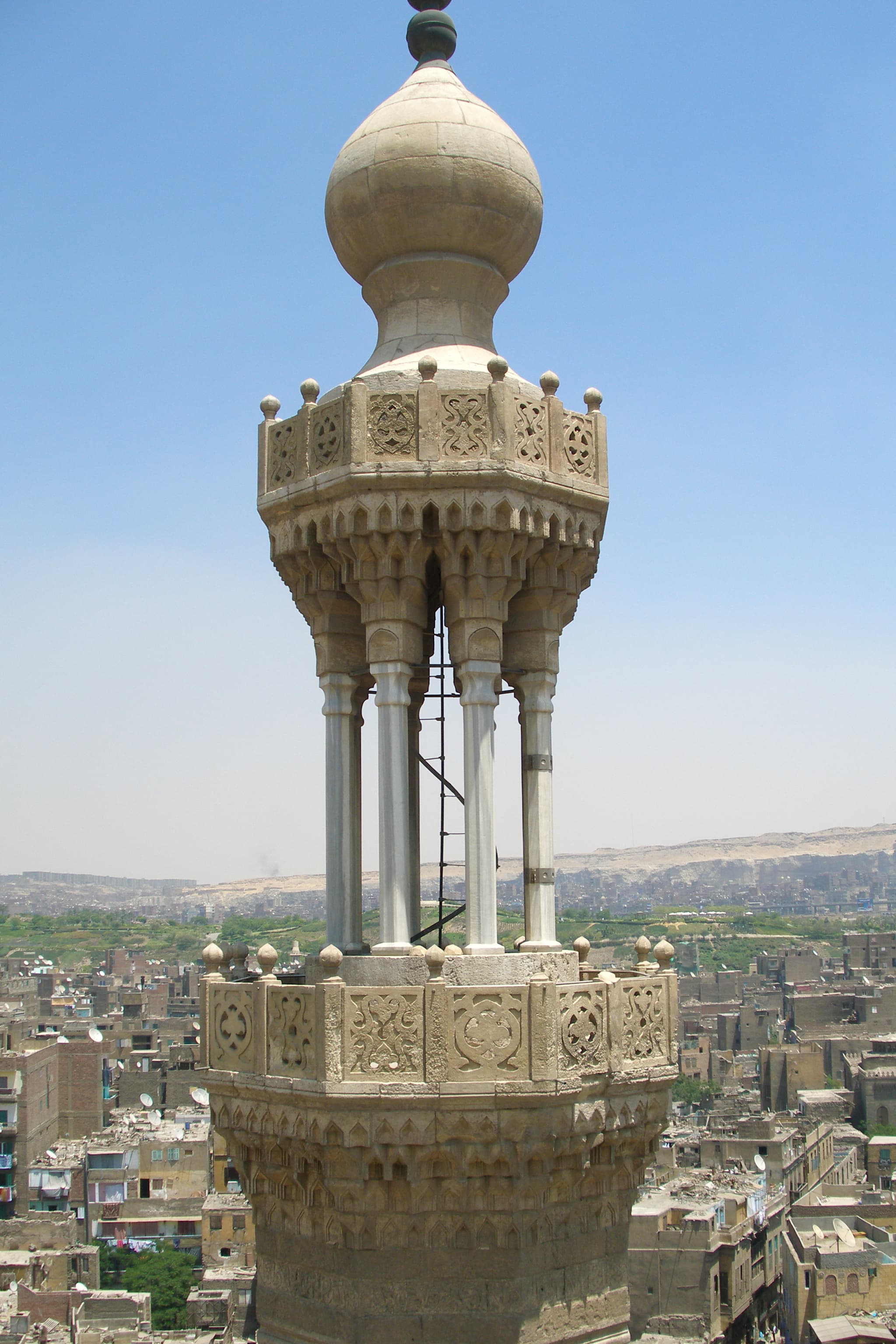

Imagine standing at a gate in Cairo that has witnessed nearly a thousand years of stories unfold. That's Bab Zuweila for you. It's the last remaining southern gateway of medieval Cairo, a place where history and legend aren't just intertwined—they're practically braided together. Once upon a time, this was where executioners made grim statements, displaying the heads of criminals. Today?
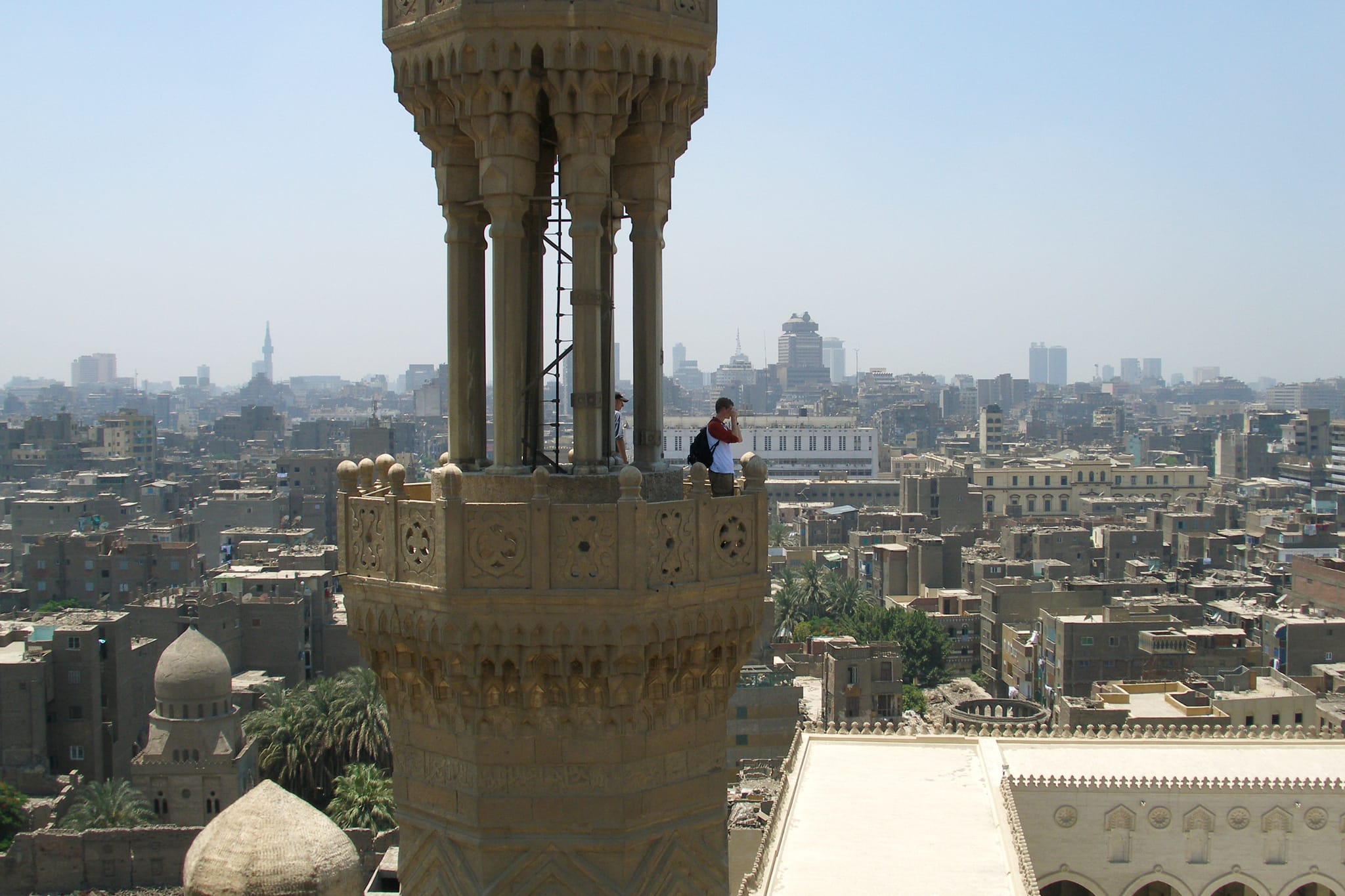
It's a place where you can climb its twin minarets and catch some truly breathtaking views of the sprawling city below.
Built way back in the 11th century, this magnificent structure has seen everything from royal processions and public executions to Cairo's ever-changing narrative. While its past might be steeped in drama, Bab Zuweila now stands proudly, reflecting resilience and a rugged kind of beauty. Its grand architecture and deep historical roots easily make it one of Cairo's most captivating landmarks.
Step through its massive wooden doors, and you're stepping into a tale of power, faith, and transformation that stretches across almost a millennium.
The Story Behind the Gateway's Name
Fatimid Founding and Its Original Purpose
Bab Zuweila came into being during the Fatimid dynasty's expansion in Egypt, sometime in the late 11th century. It wasn't just a pretty archway; it was a critical part of Cairo's fortified walls, serving as the city's main southern entrance. Its design wasn't just decorative; it was a key piece of Cairo's military defense, controlling who got into the capital and symbolizing the power of the Fatimid rulers.
Where Did 'Zuweila' Come From?
The name 'Bab Zuweila' is actually pretty straightforward once you break it down: 'Bab' simply means 'gate.' 'Zuwayla' refers to a Berber tribe from Libya's Fezzan region. Members of this tribe were part of the Fatimid army and were stationed right near this gate when Cairo was founded. Over time, their name stuck, permanently linking them to this monumental entrance.
Later, It Was 'Bab al-Mitwalli'
Funnily enough, as the centuries rolled on, the gate picked up another name: 'Bab al-Mitwalli.' This one comes from local folklore about a saint named Mitwali al-Qutub, who people believed had miraculous healing powers. Folks would come to the gate, seeking blessings and good health, effectively transforming what was once a military stronghold into a place of deep spiritual devotion.
Bab Zuweila's Architectural Wonders
Want to explore Bab Zuweila: Cairo's Enduring Medieval Gateway?
Let us design the perfect private itinerary for you. From expert local guides to seamless luxury cruises, we craft custom trips that show you the real Egypt.
Design and Structure: A Military Masterpiece
Bab Zuweila perfectly showcases Fatimid military architecture. You'll see two massive semi-circular towers, built to flank a central arched pass-through. The limestone walls are over 10 meters thick – talk about a glimpse into the strategic genius of medieval builders! This design wasn't just about defense; it was also ceremonial, a striking blend of raw strength and artistry.
Those Iconic Twin Minarets
Today, the most recognizable feature has to be those twin minarets. They weren't original, though; they were added later in the early 15th century during Sultan al-Mu'ayyad Shaykh's reign. Rising gracefully above the city, they offer unparalleled panoramic views of Cairo's ancient quarters and the Citadel. Their addition really took Bab Zuweila from being just a military gate to a genuine symbol of both religious and civic pride.
Subtle Decorative Touches
Despite its primary role as a defensive structure, Bab Zuweila isn't without its decorative flair. Look closely, and you'll spot carved arches and intricate stonework on its interior surfaces. Any remaining inscriptions often feature religious verses in Kufic script, subtly reflecting the Fatimid dynasty's Shi'i identity. It's this beautiful mix of military pragmatism and delicate ornamentation that truly defines its charm.
Ancient Egyptian Stonework: A Hidden Detail
Here's something really cool about Bab Zuweila: some of its stones are actually recycled from ancient Pharaonic temples. Builders, ever resourceful, incorporated these massive blocks right into the gate's structure. This blending of materials from Egypt's ancient past and its later Islamic eras gives the monument an incredibly unique historical depth, almost like it's telling stories from different millennia all at once.
Want to explore Bab Zuweila: Cairo's Enduring Medieval Gateway?
Let us design the perfect private itinerary for you. From expert local guides to seamless luxury cruises, we craft custom trips that show you the real Egypt.
See it for yourself
Trips that visit the places in this article.

This 10-day tour moves through four distinct regions of Egypt, starting in Cairo, continuing by domestic flight and first-class train to Aswan and Luxor, and…

This 11-day tour moves between Cairo, a Nile cruise from Aswan to Luxor, and a final stretch in Hurghada, connecting each leg by domestic flight so the pace…
Want a different route or length? We'll build it around you.
Bab Zuweila's Dramatic History
A Place of Power and Public Spectacle
During the Mamluk era, Bab Zuweila gained a rather infamous reputation as a site for public executions. It became a stage for political displays of power, where the heads of criminals and enemies were often showcased high above its walls. One particularly notable event happened in 1260 when Mamluk Sultan Qutuz executed Mongol envoys right here—a daring move that came just before Egypt's decisive victory at the Battle of Ain Jalut.
Perhaps its most heartbreaking story is that of Tuman Bay II, the very last Mamluk Sultan. He was tragically hanged at Bab Zuweila in 1517 after the Ottoman conquest. His execution marked not just the end of an era but symbolized the ultimate fall of the Mamluks and the beginning of Ottoman rule over Egypt.
More Than Just Bloodshed: Ceremonies and Religion
Yet, amidst its grim history, Bab Zuweila wasn't always a place of sorrow. It also hosted grand celebrations and important religious processions. This was the traditional departure point for the annual pilgrimage caravan heading to Mecca, known as the Mahmal procession. Sultans and high officials would often watch these elaborate ceremonies from a platform between the towers, effectively turning the gate into a royal stage of both faith and festivity.
A Spiritual Spot for Healing?
Over time, the gate evolved into a place of both worship and superstition. Locals genuinely believed that the saint Mitwali al-Qutub would appear here as a glowing light, bringing healing to the sick. People suffering from various ailments would attach things like teeth, nails, or pieces of cloth to the gate, honestly believing it would cure them. These curious customs really show you the fascinating blend of faith, folklore, and daily life that characterized medieval Cairo.
The Grand Mosque of Sultan al-Mu'ayyad Next Door
From Dungeon Walls to Sacred Space
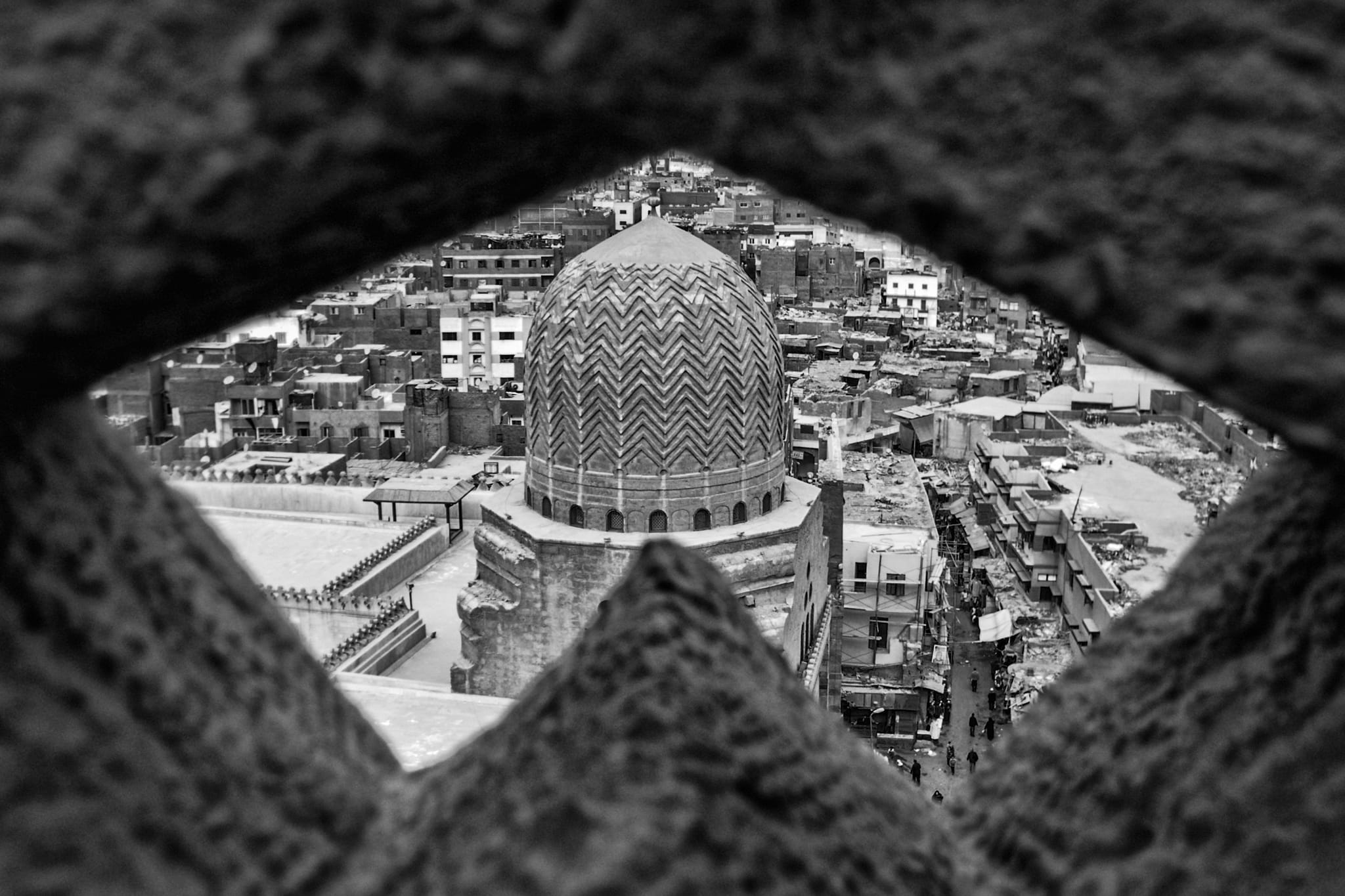
The story of the Mosque of Sultan al-Mu'ayyad, right next to the gate, is quite moving. Before he became Sultan, al-Mu'ayyad was actually imprisoned in a dungeon near Bab Zuweila. After his release and eventual rise to power, he made a vow: he would replace that prison with a mosque. And he kept his word. Between 1415 and 1422, he fulfilled that promise, creating one of Cairo's most beautiful Mamluk-era mosques.
A Clever, Unified Design
What's truly clever is how the mosque and Bab Zuweila were integrated. The northern wall of the ancient gate simply became the southern wall of the new mosque, artfully symbolizing the deep connection between strength and faith. It was Sultan al-Mu'ayyad who added those twin minarets that now stand tall atop the gate, transforming the old fortress into a genuine masterpiece of Islamic architecture.
Step Inside: Inner Beauty
Wander inside the mosque today, and you'll find a grand courtyard, walls adorned with intricate marble paneling, and a wonderfully carved wooden pulpit. It's still a vibrant place of worship and community gathering, echoing the Sultan's legacy of faith and transformation for all to see.
Keeping History Alive: Preservation Efforts
Modern Day Renovation and Care
By the late 20th century, centuries of sun, wind, and wear and tear had definitely taken their toll on Bab Zuweila. Thankfully, a major conservation project, led by the American Research Center in Egypt between 1998 and 2005, brought the gate back to much of its former glory. Skilled craftspeople meticulously repaired its stonework and those massive wooden doors, ensuring the structure's stability while carefully preserving its historic essence.
Bringing the Giant Wooden Doors Back to Life
Restoring Bab Zuweila's gargantuan wooden doors was no small feat, let me tell you. Each door, weighing several tons, had to be painstakingly cleaned, repaired, and even fitted with a modern ball-bearing system—cleverly inspired by its original mechanism. This dedicated work means one of Cairo's most iconic architectural features is ready to stand strong for many future generations to admire.
Community and What Comes Next
Today, Bab Zuweila, like many ancient sites in a bustling city, faces modern challenges: pollution, traffic, and urban sprawl. More and more, conservation efforts are engaging local communities to ensure sustainable preservation. There are exciting plans in motion to pedestrianize the area around the gate and make historic Cairo generally more accessible to visitors, all while making sure its authentic charm isn't lost to progress.
Ready to turn this guide into reality?
Our local experts can create a custom itinerary based on these recommendations. Just send us a quick message!
Customize via WhatsApp