

A Walk Through Time: Finding Bayt Al Suhaymi
 Getting to Bayt Al Suhaymi is part of the experience itself. It's a journey that starts at the northern gate of medieval Cairo, essentially walking you through centuries of Islamic history before you even arrive at this hidden gem, tucked into a narrow alleyway.
Starting at Bab El-Futuh
Your adventure typically begins at Bab El-Futuh, the 'Gate of Conquest.' This is one of the last remaining gateways of Cairo's ancient city wall, built all the way back in 1087. Just look at it—those rounded towers and intricate stone decorations are pure medieval Islamic architectural brilliance. It used to protect the city, and today it serves as a stunning introduction to Cairo's historic core.The Journey Through Al-Mu'izz Street
Once you pass through Bab El-Futuh, you'll find yourself on Al-Mu'izz Street. This is one of Cairo's oldest thoroughfares, dating back to the Fatimid era. It's an absolutely bustling street, lined with mosques, madrasas, and palaces that collectively narrate a thousand years of Islamic art and history. The lively markets and artisans here still echo the spirit of medieval Cairo; it's genuinely a living museum of culture and architecture.Finding Al Darb Al-Asfar Alley
Keep your eyes peeled, because hidden off Al-Mu'izz Street is a narrow alley called Al Darb Al-Asfar, or 'The Yellow Lane.' Stepping into it feels immediately like stepping back in time. The noise of the main street fades, replaced by a sense of calm. And there, at the end of this quiet lane, is the entrance to Bayt Al Suhaymi—your doorway to one of Cairo's best-preserved Ottoman-era homes.Origins and Evolution: A House with a Past
Bayt Al Suhaymi carries centuries of stories within its very walls. It's a beautiful example of how Ottoman domestic architecture evolved and reflects the changing social fabric of Cairo over hundreds of years.Want to explore Bayt Al Suhaymi in Cairo: Step Into Ottoman Egypt?
Let us design the perfect private itinerary for you. From expert local guides to seamless luxury cruises, we craft custom trips that show you the real Egypt.
Built in 1648 by Abdel Wahab Al-Tablawy
The house first took shape in 1648, commissioned by Sheikh Abdel Wahab Al-Tablawy in the Gamaliya neighborhood—a pretty prestigious spot close to Al-Mu'izz Street. The design followed traditional Ottoman architectural styles, cleverly dividing the house into two main sections: the Salamlik for men and the Haramlik for women. Smart, right?Expanded by Sheikh Ahmed Al-Suhaymi in 1796
Fast forward to 1796, and Haj Ismail Shalaby expanded the house, adding new buildings and connecting them to the original. Then, in 1813, Sheikh Ahmed Al-Suhaymi bought the place. He made some serious additions, merging several neighboring houses into one grand complex. His family owned the property for over a century, which is how it got the name it still carries today.Restoration After the 1992 Earthquake
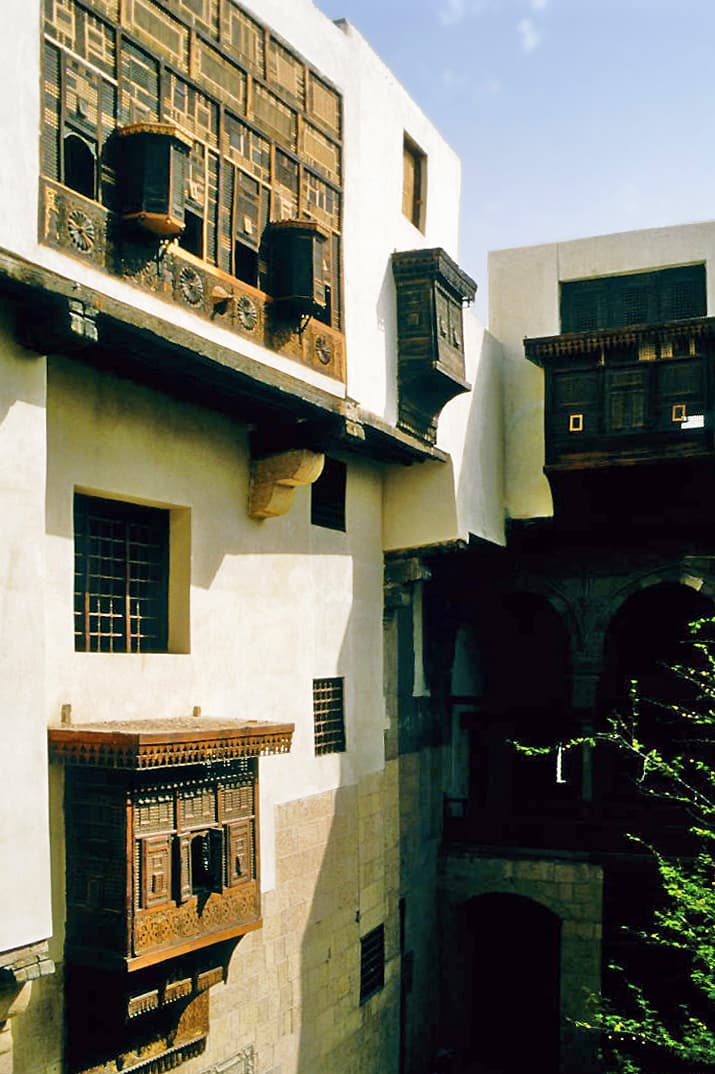
Centuries of use, plus a significant earthquake in 1992, meant Bayt Al Suhaymi suffered quite a bit of damage. But thankfully, a major restoration project kicked off in the mid-1990s. They painstakingly preserved its beautiful wooden ceilings, marble floors, and those iconic mashrabiya windows. By 2000, the house was fully restored to its former, exquisite splendor.From Private Home to Public Treasure
In 1931, the Al-Suhaymi family sold the house to the Committee for the Preservation of Arab Antiquities. After all that careful restoration work, it was transformed into a museum and cultural center under the Egyptian Ministry of Culture. Today, Bayt Al Suhaymi isn't just an old house; it stands as a vibrant symbol of Cairo's living heritage, open for all of us to explore.Want to explore Bayt Al Suhaymi in Cairo: Step Into Ottoman Egypt?
Let us design the perfect private itinerary for you. From expert local guides to seamless luxury cruises, we craft custom trips that show you the real Egypt.
See it for yourself
Trips that visit the places in this article.

This 10-day tour moves through four distinct regions of Egypt, starting in Cairo, continuing by domestic flight and first-class train to Aswan and Luxor, and…

This 11-day tour moves between Cairo, a Nile cruise from Aswan to Luxor, and a final stretch in Hurghada, connecting each leg by domestic flight so the pace…
Want a different route or length? We'll build it around you.
Architectural Secrets Hidden in Plain Sight
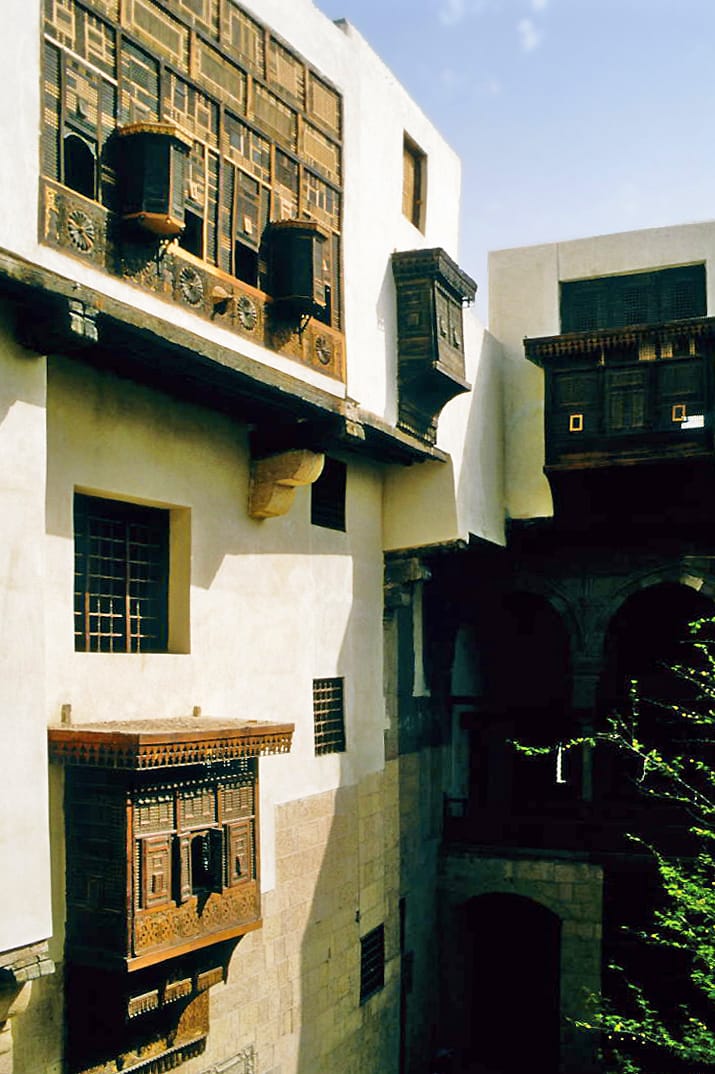 Bayt Al Suhaymi is genuinely an architectural marvel. It shows just how ingeniously Egyptians adapted to their environment, long before modern air conditioning or even formal urban design principles were a thing.
The Majaz: A Bent Entrance with Purpose
Take the entrance, called the Majaz. It's intentionally bent—not just a design quirk, but a clever way to block direct views into the house, ensuring privacy. This thoughtful design beautifully reflects Islamic values of modesty, creating a clear separation between the bustling street outside and the tranquil home within.The Courtyard: Heart of the House
At the very core of the house is the central courtyard, its cooling heart. Surrounded by rooms on all sides, it naturally regulates the temperature—hot air rises and cool air circulates. It's also a peaceful family gathering space, complete with lush greenery and a charming little fountain.Mashrabiya: Privacy Meets Function
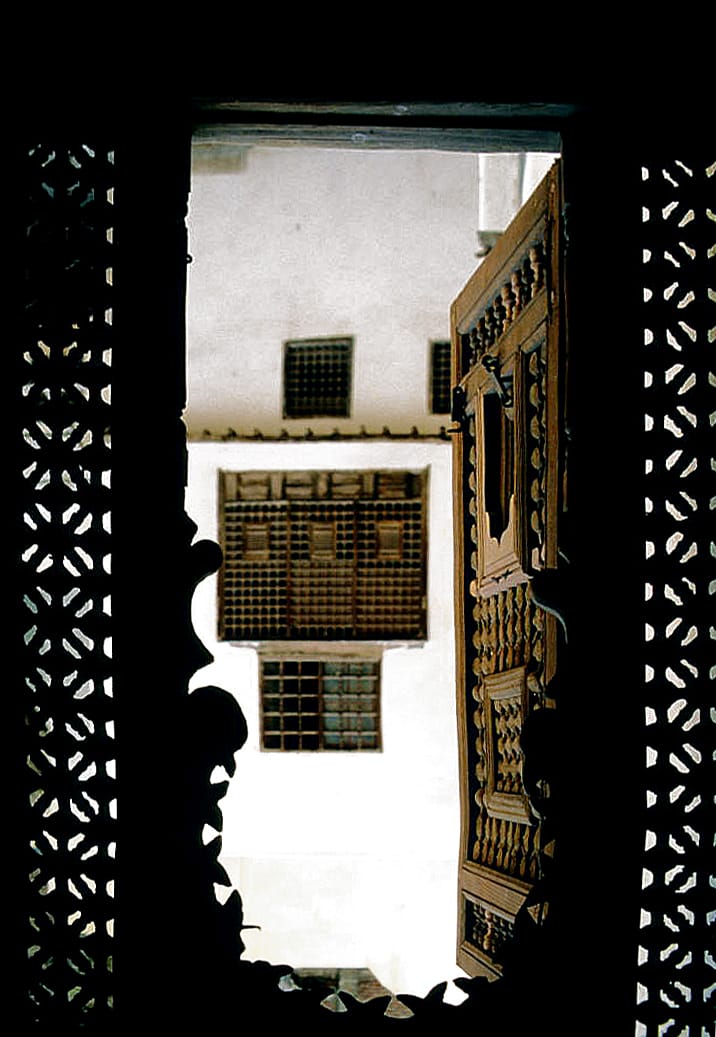
Those beautiful mashrabiya, the wooden lattice screens, are one of the house's most iconic touches. They're not just pretty; they're incredibly functional. They let air flow freely while blocking harsh sunlight and maintaining privacy. It meant women could observe street life without being seen—a perfect blend of practicality and cultural tradition.The Takhtabush: Morning Gathering Space
Near the courtyard, you'll find the takhtabush, a semi-open area. This was the spot for morning business discussions and meetings. It stayed shaded all day, keeping the space cool even during Cairo's sweltering summers.The Qa’a and Maq’ad: Spaces for Comfort and Leisure
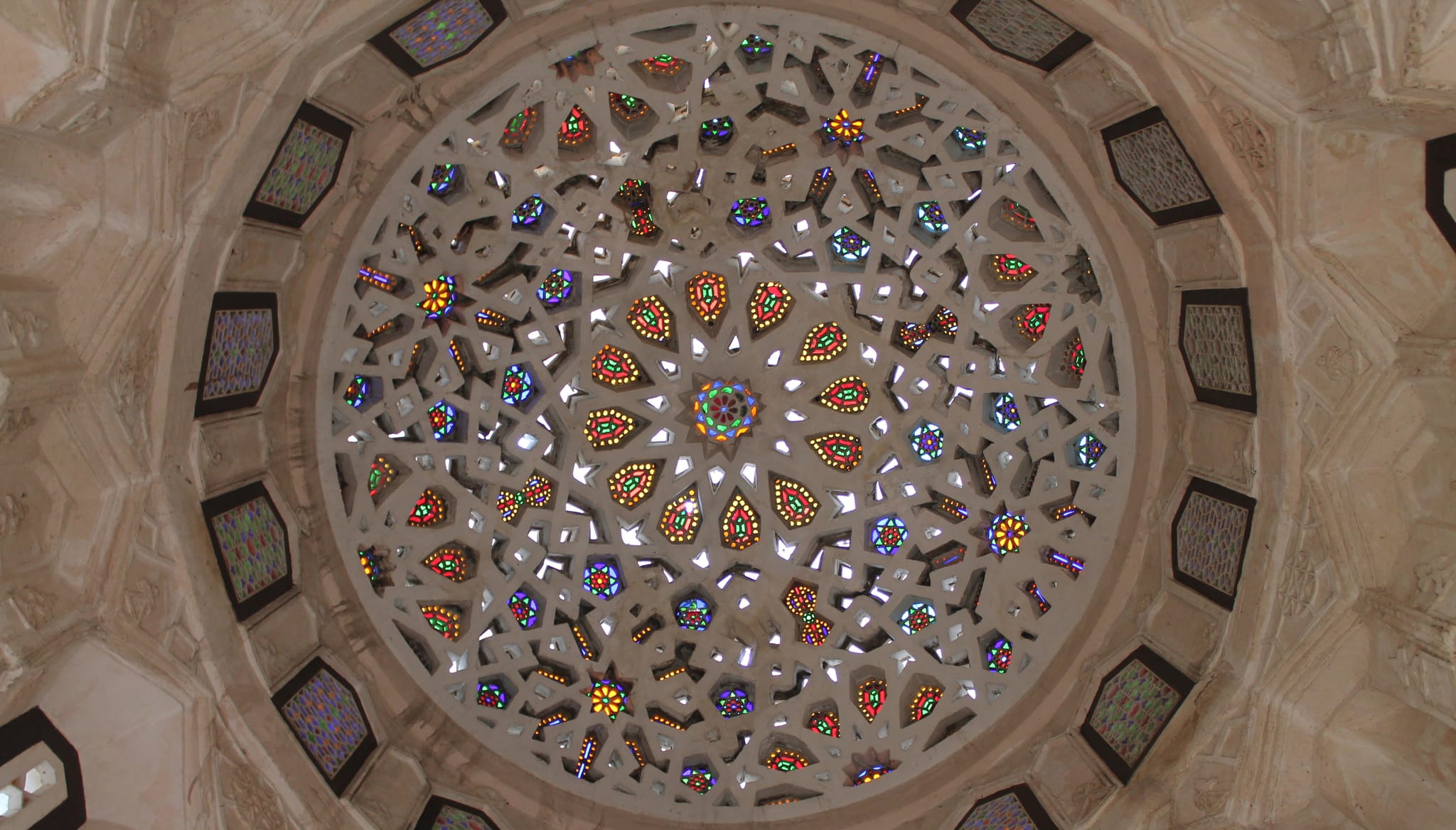
The qa'a, or main reception hall, was designed with a fountain and dome for natural cooling—you can feel the difference. And the maq'ad, a covered balcony on the second floor, offered a breezy, perfect retreat in the evenings, ideal for kicking back and relaxing with family.Private vs. Public: The Social Design of Home
Bayt Al Suhaymi's architecture was deliberately designed to strike a balance between privacy, hospitality, and the distinct gender norms of Ottoman society. It's quite insightful.Salamlik and Haramlik: Dividing Public and Private Life
Downstairs, you had the Salamlik, dedicated primarily to men and guests. This held the main reception halls and all the social areas. Upstairs was the Haramlik, reserved exclusively for women and children. This ensured family privacy, while women could still discreetly observe life below through the mashrabiya screens. Clever, right?Gendered Spaces and Cultural Values
This spatial organization wasn't arbitrary; it truly reflected cultural values of modesty and hierarchy. The design allowed men and women to comfortably share the same household, yet maintain their distinct, private environments. Every room, every passageway, was thought out to respect social boundaries and the essential family structure of the time.Lesser-Known Corners and Additions
 There are even more layers to Bayt Al Suhaymi if you dig a little deeper.
The Second Courtyard and Dome
You'll find a second, beautiful courtyard which just adds more open space and architectural variety. It's a testament to how the home grew and adapted over time as families expanded and even merged.The Old Well and Flour Mill
Bayt Al Suhaymi still has a functioning flour mill and an old well! It's such a tangible link to how households managed daily life and resources before the age of modern conveniences.Bayt El-Kharazty: The Attached House
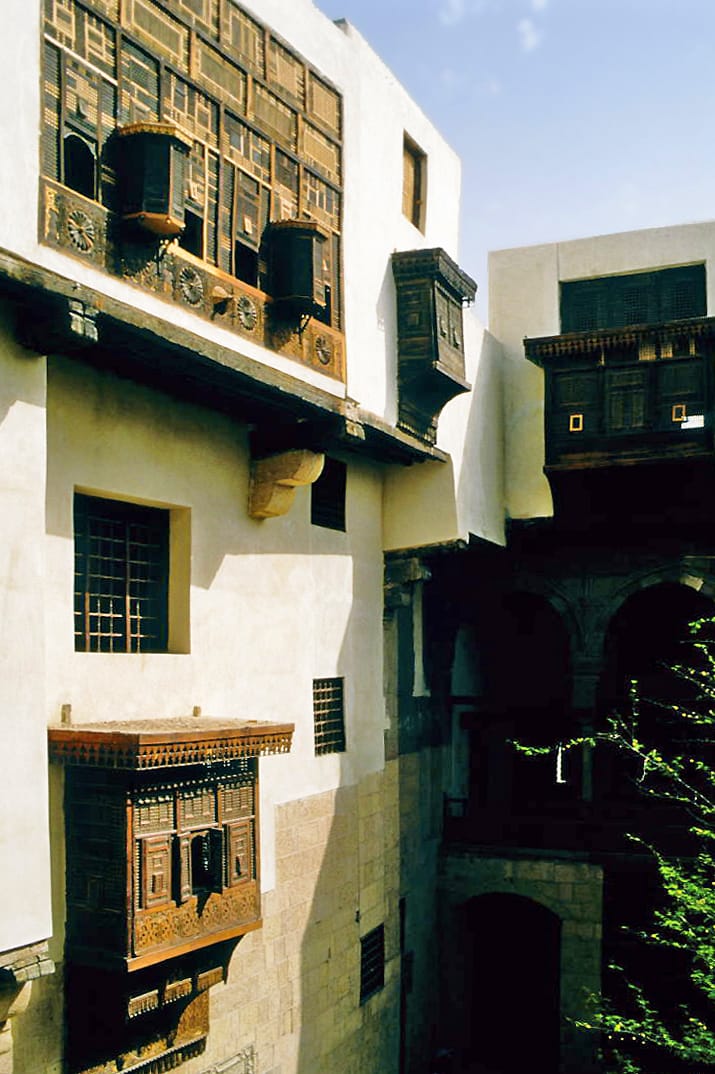 Connected to the main residence is another structure, Bayt El-Kharazty, built in the 19th century. Together, these two remarkable homes form one of Cairo's most complete and stunning examples of traditional urban domestic architecture. It's a must-see for anyone truly wanting to understand Cairo's historic soul.
Ready to turn this guide into reality?
Our local experts can create a custom itinerary based on these recommendations. Just send us a quick message!
Customize via WhatsApp