


Discovering Aswan's Sacred Past: The Monastery of St. Simeon
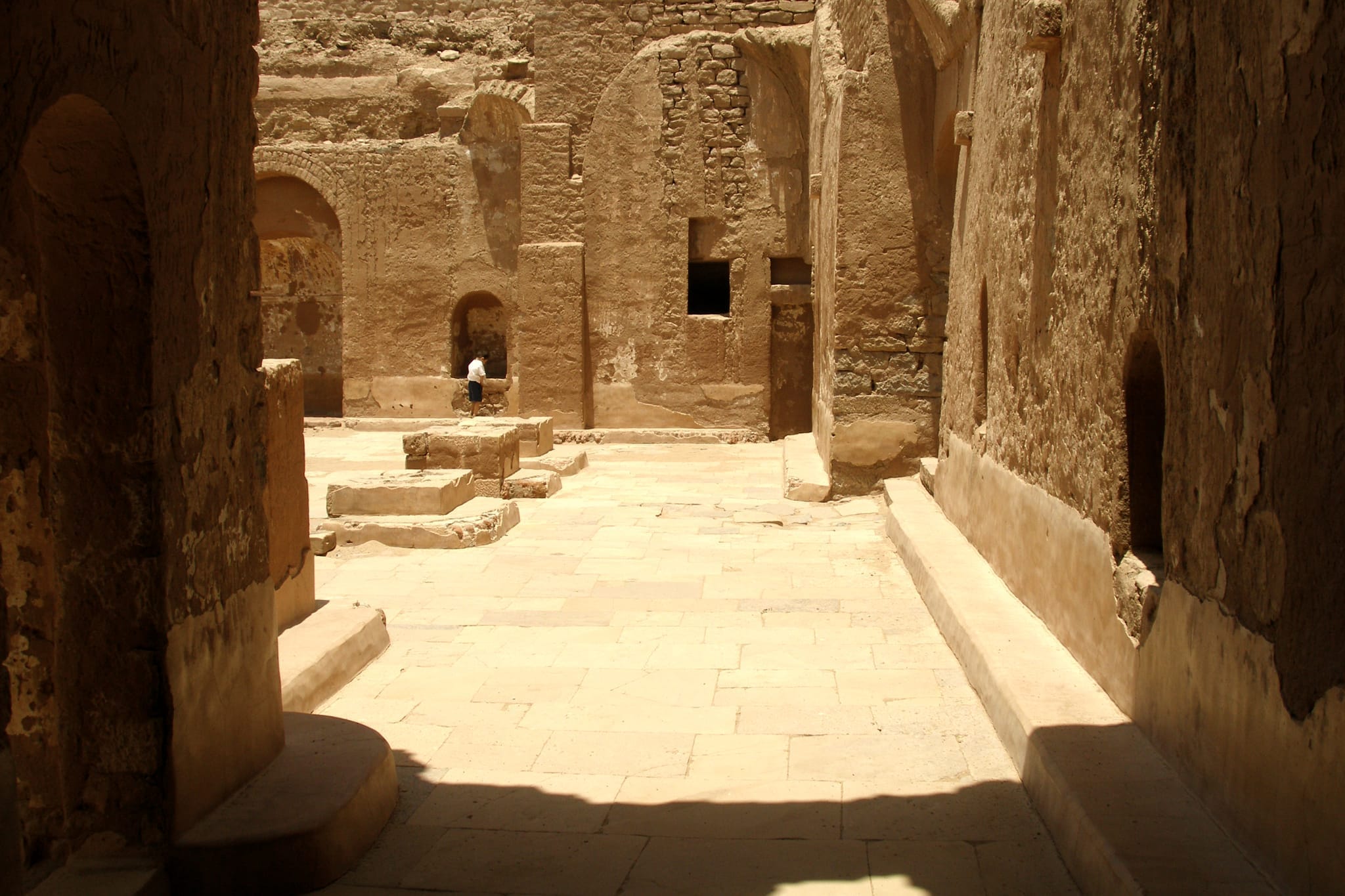
Let me tell you about a place that really sticks with you on Aswan's west bank: the Monastery of St. Simeon. It's not just another ruin; it's a profound peek into early Christian life in Upper Egypt. Perched against the desert hills, with the Nile stretching out below, this 6th-century AD complex was dedicated to St. Simeon the Tanner – a truly revered Coptic saint known for his deep faith and humility.
This wasn't just a solitary outpost. St. Simeon's was part of a vibrant network of monastic communities that thrived during the Byzantine era. They were instrumental in spreading Christianity, educating monks, and safeguarding sacred texts at a time when faith was really taking root along the Nile. Imagine hundreds of monks living a life disciplined by prayer, study, and shared worship.
Visiting today, you're walking through a piece of history that remains incredibly valuable to understanding this spiritual chapter in Egypt's story.
A Glimpse Into History: The Monastery's Enduring Legacy
During the Byzantine period, the Monastery of St. Simeon was far more than a place of worship. It was a buzzing hub of education and culture, acting as a stronghold for Christian doctrine in both Nubia and southern Egypt. Monks here weren't just praying all day; they were diligently copying manuscripts, teaching religious principles, and maintaining crucial connections with other monastic communities up and down the Nile.
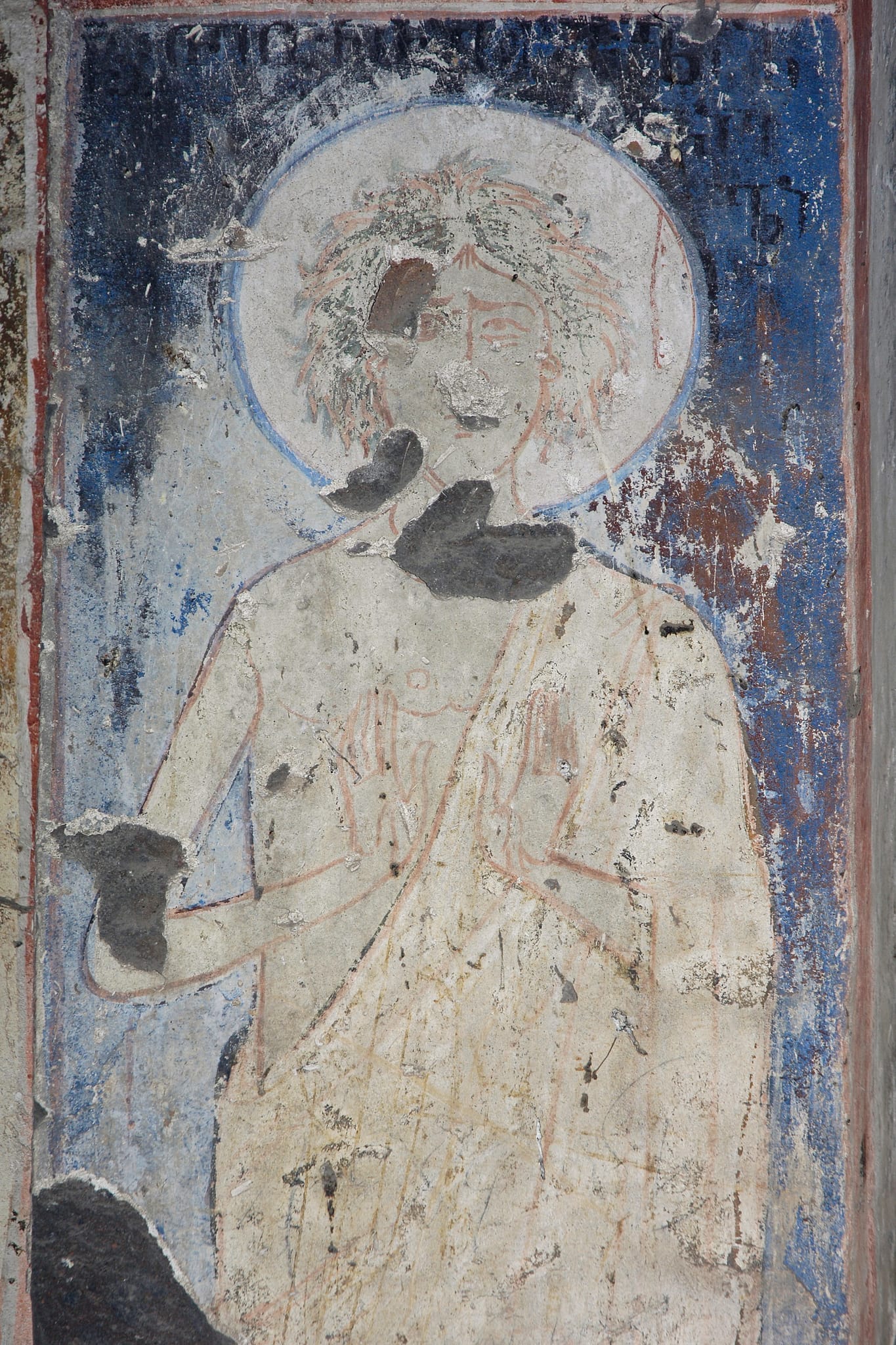
It's amazing how this place endured centuries of political upheaval and regional conflicts. Its sheer survival offers us a rare window into what monastic life was truly like in Upper Egypt, and the challenges faced by those early Christian communities. If you look closely, you'll see archaeological remains, inscriptions, and wall paintings that reveal a fascinating blend, a slow shift from ancient Egyptian traditions right into Christian practices. That's why St.
Simeon's is such a critical site for anyone studying Byzantine Christian history in Egypt – it really tells a story.
Architectural Marvels of St. Simeon's
Churches and Chapels
The architecture at St. Simeon's Monastery speaks volumes about its time. It’s got that classic Byzantine religious flair, but cleverly adapted to the unique Nubian landscape. You'll find a main church laid out like a basilica, with solid stone pillars supporting vaulted ceilings and those beautifully carved niches meant for prayer. Then there are smaller chapels tucked away, many still holding early Christian frescoes.
These frescoes – depicting saints, biblical scenes, and symbols – are some of the earliest Christian art you'll find in Nubia.
For those of us fascinated by ancient Christian monasteries, cruising the Nile, these churches and chapels offer an incredible insight into early religious art and how they built places of worship back then.
Monastic Cells: A Life of Contemplation
The monks' living spaces might seem simple, but they were perfectly functional. Mostly built from mudbrick and local stone, these monastic cells offered a quiet, personal space for rest, reflection, and prayer. When archaeologists dug around, they found everyday items – pottery shards, religious tools, bits of manuscripts – that paint a vivid picture of the monks' daily routines. It's truly humbling to see how they balanced deep spiritual devotion with the practicalities of daily life within St.
Simeon's walls.
Want to explore St. Simeon Monastery and the Tombs of the Nobles: Aswan's Ancient Secrets?
Let us design the perfect private itinerary for you. From expert local guides to seamless luxury cruises, we craft custom trips that show you the real Egypt.
Fortified Walls and Courtyards: Protection and Community
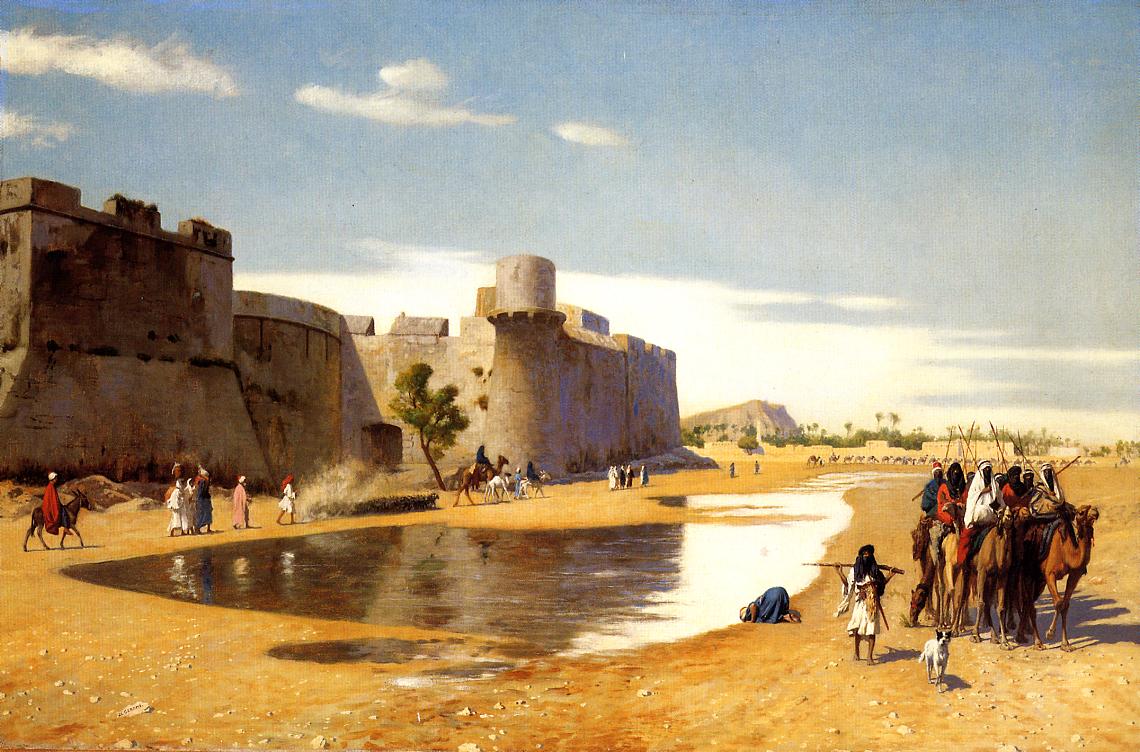
Notice those sturdy stone walls surrounding the monastery, reinforced with towers? They're not just for show. They highlight just how strategically important this place was, especially during periods of desert raids and political instability. Those walls were essential for keeping the monks safe and protecting their religious treasures.
Inside, the open courtyards were the heart of the community. This is where everyone gathered for prayer, for lessons, and for simply connecting with each other. It really emphasizes the collective spirit that defined monastic life in Upper Egypt.
See it for yourself
Trips that visit the places in this article.

This 10-day tour moves through four distinct regions of Egypt, starting in Cairo, continuing by domestic flight and first-class train to Aswan and Luxor, and…
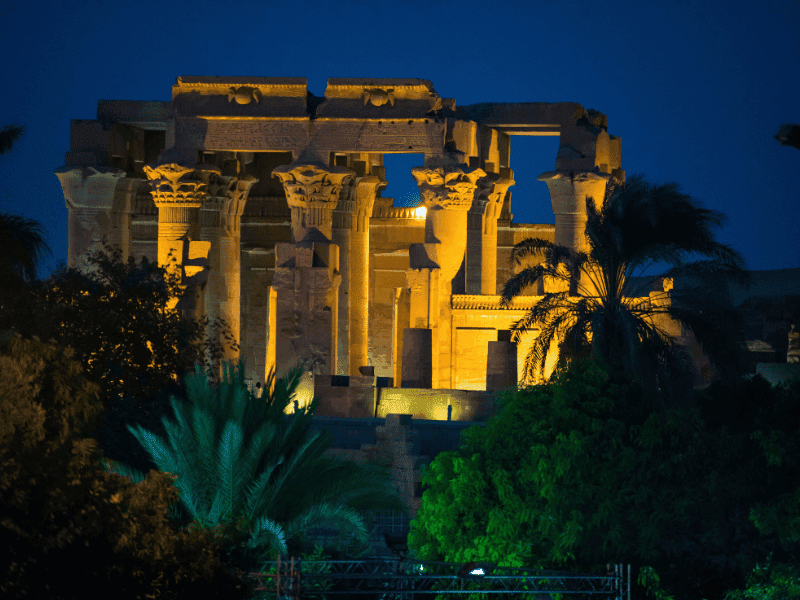
This 4-day, 3-night Nile cruise sails from Aswan to Luxor, covering the river's most-visited temples and tombs at an unhurried pace aboard a five-star ship…
Want a different route or length? We'll build it around you.
A Day in the Life: Inside the Monastery
Life within the Monastery of St. Simeon was a strictly disciplined affair, deeply spiritual and remarkably self-sufficient. Historical records and archaeological finds give us a pretty good idea of what an average day looked like:
- Copying and diligently preserving Coptic Christian manuscripts.
- Performing religious ceremonies in the churches and chapels.
- Hours dedicated to studying sacred texts and theological teachings.
- Practicing fasting and other forms of ascetic discipline.
- Eating a very simple diet of bread, dates, and vegetables.
This structured way of living truly reflects the profound spiritual commitment of those early Christian monks. It gives visitors a powerful sense of the devotion that shaped life in this ancient Upper Egyptian monastery.
The Tombs of the Nobles: A Necropolis of Ancient Power
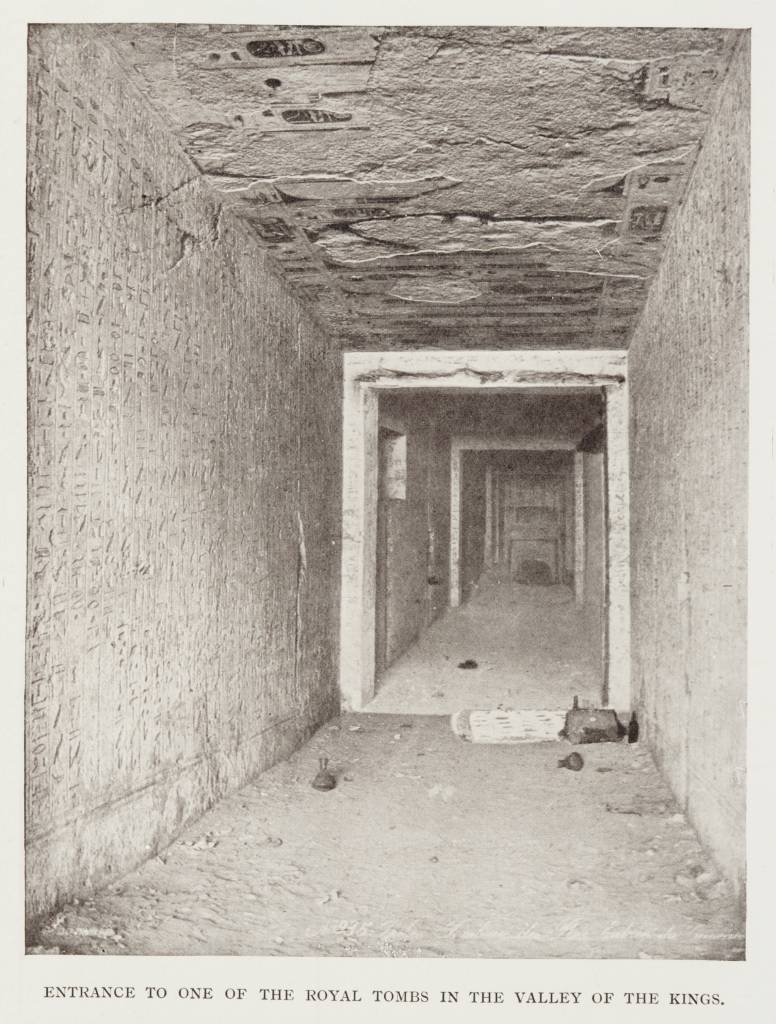
Just a stone's throw from the monastery, you'll find another incredible historical site: the Tombs of the Nobles in Aswan. This isn't Christian history; we're talking about a New Kingdom necropolis, carved into the hills overlooking the Nile, dating back to roughly 1550 to 1070 BC. These aren't just any tombs; they belonged to the crème de la crème – governors, high priests, and powerful officials who played critical roles in both ancient Egyptian and Nubian administration.
These tombs are a powerful statement about the political influence and artistic sophistication of the region during the New Kingdom. Their placement on the west bank, where the sun sets, held deep significance for the ancient Egyptians regarding the afterlife.
What Makes These Tombs So Special?
The Tombs of the Nobles in Aswan are famous for their exquisite artistic and architectural details. You'll find:
- Incredible hieroglyphic inscriptions that meticulously record names, titles, religious beliefs, and the grand achievements of the deceased.
- Vivid wall paintings and reliefs depicting everything from hunting parties and lavish banquets to religious rituals and intimate scenes of daily life.
- Burial chambers and sarcophagi that are often elaborate, featuring multiple rooms and symbolic carvings.
- Artifacts like pottery, jewellery, and tools that offer direct insights into the material culture and craftsmanship of the era.
These features make the tombs an absolutely essential stop for anyone wanting to understand New Kingdom Nubian society and the elite life of ancient Aswan.
Want to explore St. Simeon Monastery and the Tombs of the Nobles: Aswan's Ancient Secrets?
Let us design the perfect private itinerary for you. From expert local guides to seamless luxury cruises, we craft custom trips that show you the real Egypt.
A Tapestry of Faith and Power: The Interplay of Two Worlds
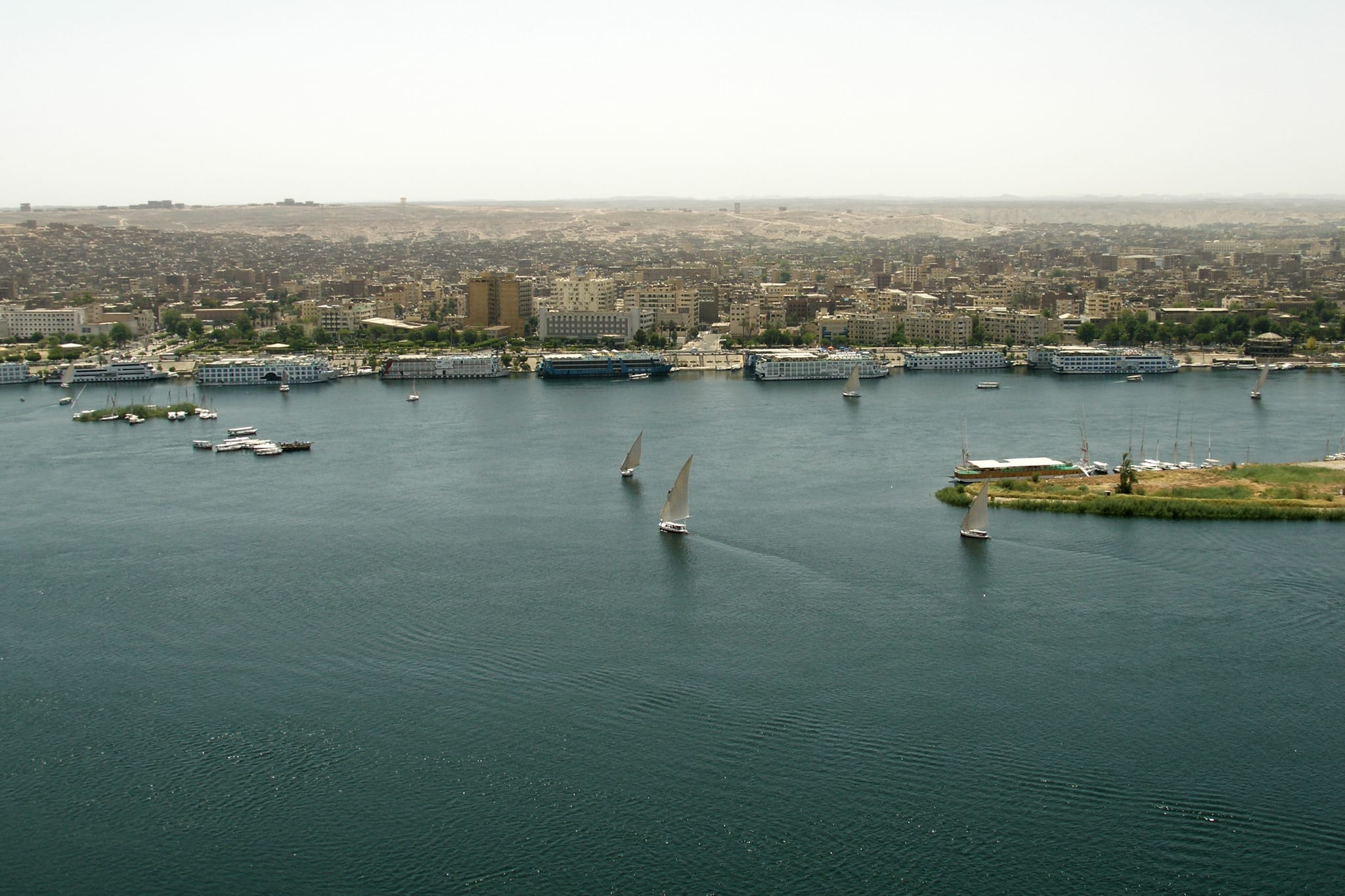
When you visit both St. Simeon's Monastery and the Tombs of the Nobles, you're not just seeing two sites – you're experiencing centuries of religious, cultural, and artistic evolution in Upper Egypt. The contrast between them is striking, yet together they paint a picture of enduring spiritual and cultural continuity.
Key themes that resonate from both sites include:
- The unmistakable influence of Byzantine art, evident in those early Christian frescoes and the church's architectural forms.
- The fascinating interaction between Nubian and Egyptian cultures, clearly visible in tomb inscriptions and burial customs.
- A deep sense of religious continuity, showcasing the transition from ancient pharaonic rituals to the blossoming of early Christian devotion.
For scholars, history buffs, and curious travelers alike, these locations near the Nile in Aswan offer an unparalleled overview of Upper Egypt's spiritual journey.
Planning Your Visit to These Aswan Gems
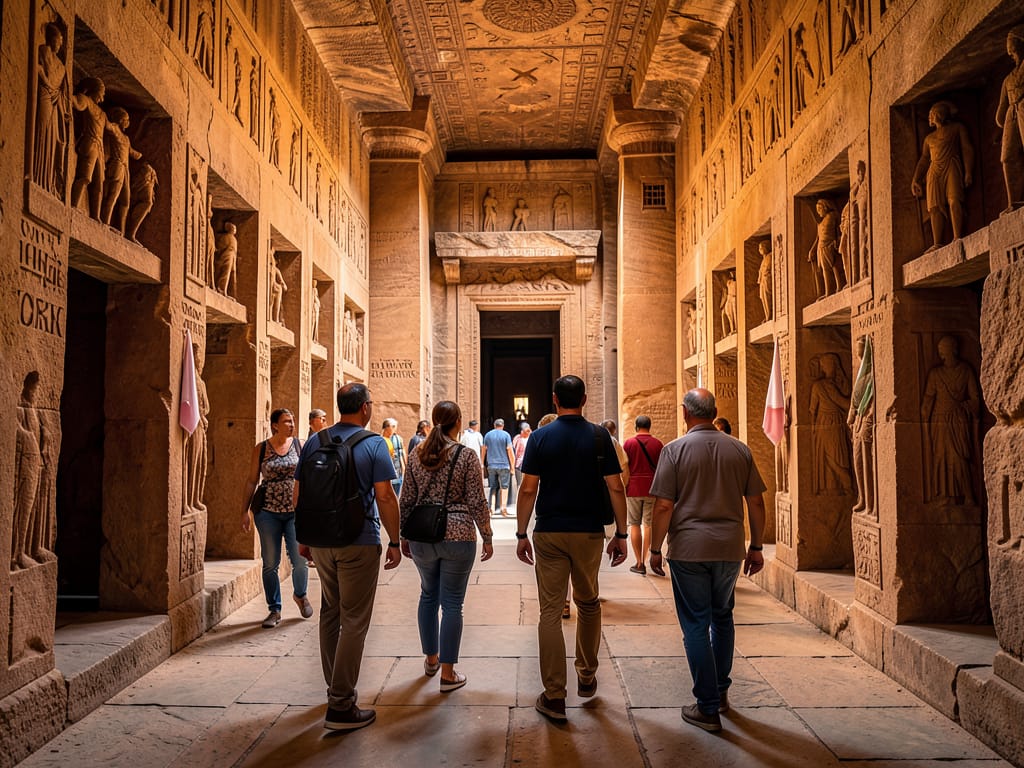
If you're in Aswan, you absolutely have to experience both St. Simeon's Monastery and the Tombs of the Nobles. They're easily accessible by car, boat, or as part of a Nile cruise excursion. Honestly, I always recommend a guided tour; a good guide brings these places to life in a way you just can't get from a textbook.
Wear comfortable walking shoes – the terrain can be a bit uneven – and try to go in the early morning. Not only is it cooler, but the light is just perfect for photography. These two sites together make an essential, unforgettable stop on any Upper Egypt itinerary.
Why You Can't Miss These Aswan Landmarks
The Monastery of St. Simeon and the Tombs of the Nobles offer a rare chance to truly understand the many layers of Egyptian history in one fell swoop. Here's why they're a must-see:
- Historical Deep Dive: You'll travel from the glorious New Kingdom all the way to the Byzantine era.
- Cultural Insight: Get a genuine feel for the lives of Nubian elites and the dedicated Christian monks.
- Breathtaking Scenery: Enjoy stunning panoramic views of the legendary Nile River.
- Artistic Heritage: Witness incredible frescoes, detailed inscriptions, and ancient carvings that have survived millennia.
For anyone exploring Christian monasteries along the Nile or diving into Egypt's significant archaeological sites, these landmarks promise a rich, educational, and truly memorable experience.
Ready to turn this guide into reality?
Our local experts can create a custom itinerary based on these recommendations. Just send us a quick message!
Customize via WhatsApp