
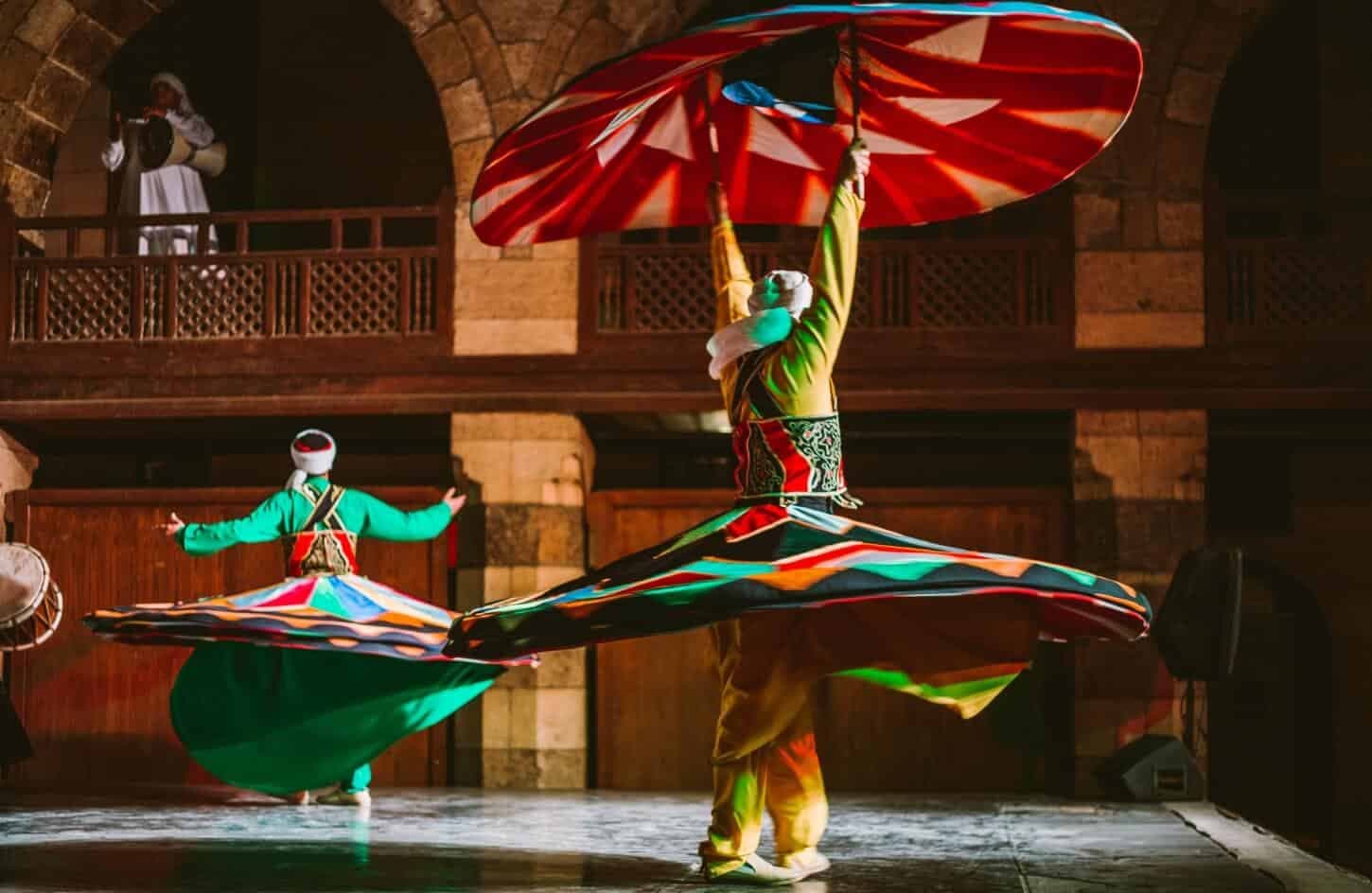

Picture this: You're standing on Al-Muizz Street in Islamic Cairo. Suddenly, a dancer, a blur of colorful skirts, spins past you, creating a mesmerizing rainbow. Welcome to El Ghorya—a 500-year-old Mamluk complex that hosts one of Cairo's most captivating cultural performances.
El Ghorya isn't just another historic site. It's a living, breathing cultural hub where ancient architecture meets modern artistic expression. Built by Sultan Qansuh Al-Ghuri in the early 16th century, this magnificent complex has transformed from a medieval marketplace into Cairo's premier venue for traditional Egyptian performances.
What Makes El Ghorya So Special?
A Complex with Many Layers
El Ghorya (also spelled Al-Ghouriya or Ghouriyya) isn't just one building; it's a collection of structures that gracefully straddle Al-Muizz Street, each with its own story:
On the Western Side:
- A grand Mosque-Madrasa, boasting one of Cairo's tallest minarets.
- A spacious prayer hall, once home to the city's largest dome.
- A serene courtyard, still perfect for Friday prayers.
On the Eastern Side:
- Sultan Al-Ghuri's mausoleum (a poignant detail: he was never actually buried there!).
- The Sabil, a public water dispensary, a beautiful act of charity from centuries past.
- Administrative offices from the Sultan's era.
Just East, the Star Attraction:
- Wikala Al-Ghuri—originally a caravanserai or inn.
- Now beautifully restored and reborn as a vibrant arts center.
- This is where you'll find the famous Tanoura dance performances.
Why This Gem Flies Under the Radar
Despite its incredible significance and beauty, El Ghorya often gets overlooked by tourists. Here's a little secret: while everyone flocks to the bustling Khan el-Khalili bazaar just minutes away, El Ghorya offers something far more intimate and genuine—authentic cultural experiences without the overwhelming crowds. It's a taste of real Cairo, just waiting to be discovered.
The Fascinating Story of Sultan Al-Ghuri
A Warrior King's Ambitious Vision
Sultan Qansuh Al-Ghuri ruled Egypt from 1501 to 1516 AD, during the twilight of Mamluk power. Taking the throne at 60, Al-Ghuri was no ordinary ruler.
His Achievements:
- He commissioned some of Cairo's most impressive Mamluk architecture, including this very complex.
- He established numerous charitable institutions across the city.
- He fought valiantly against the encroaching Ottoman threat.
- He created this multi-functional complex, brilliantly blending religious, commercial, and social needs.
Want to explore El Ghorya: Cairo's Hidden Gem & The Mesmerizing Tanoura Show?
Let us design the perfect private itinerary for you. From expert local guides to seamless luxury cruises, we craft custom trips that show you the real Egypt.
Customize via WhatsAppThe Tragic End of a Sultan
In 1516 AD, Sultan Al-Ghuri met his demise fighting the Ottoman Empire at the Battle of Marj Dabiq in northern Syria. He was 75 years old—an astonishing age for the era! The heartbreaking irony? Despite building an elaborate mausoleum for himself right here in El Ghorya, his body was never recovered from the battlefield. His tomb remains empty to this day—a haunting reminder that even the most powerful rulers can't dictate their final fate.
The Ottoman victory at Marj Dabiq marked the end of Mamluk rule in Egypt, making El Ghorya one of the very last great monuments of that storied era.

Exploring the El Ghorya Complex: A Walk Through History
The Mosque-Madrasa: An Architectural Gem
The mosque on the western side of the complex is a true showcase of late Mamluk architectural genius. You can still feel the history echoing within its walls.
The Minaret: Originally stone, later rebuilt with bricks, this minaret soars to impressive heights, visible from a surprising distance. It's among Old Cairo's tallest, a real landmark!
The Dome Dilemma: The ceiling here once supported Cairo's largest dome—a truly ambitious engineering feat! However, it had a habit of collapsing (perhaps the design was a bit too grand?). Eventually, architects replaced it with the simpler, flat wooden roof you see today.
Interior Features:
- You'll notice exquisite, detailed carvings throughout the courtyard.
- The Mihrab, facing Mecca, is beautifully adorned.
- There's a separate women's prayer area, a thoughtful (though later) addition.
- The open-air courtyard allows natural light to flood the space.
Still Active: What's truly remarkable is that unlike many historic mosques turned into museums, El Ghorya mosque continues to function for daily prayers. It has kept its spiritual purpose alive for over 500 years.
The Mausoleum: The Story of an Empty Tomb
Cross Al-Muizz Street to find Sultan Al-Ghuri's intended final resting place. The mausoleum's architecture is a testament to his status and wealth. Expect intricate stone carvings, soaring ceilings, and stunning Islamic geometric patterns on every surface.
Why Visit an Empty Tomb?
- The architecture alone is breathtaking and worth the visit.
- It whispers the poignant story of a sultan's unfulfilled plans.
- It's usually less crowded than other famous Cairo attractions.
- It's perfect for photography, especially with the dramatic play of light and shadow.
Want to explore El Ghorya: Cairo's Hidden Gem & The Mesmerizing Tanoura Show?
Let us design the perfect private itinerary for you. From expert local guides to seamless luxury cruises, we craft custom trips that show you the real Egypt.
Customize via WhatsAppThe Sabil: A Charitable Touch
The sabil (water dispensary) is a beautiful example of Islamic charitable tradition. In medieval Cairo, these structures provided free, clean water to the public—an absolute necessity in a desert city. Al-Ghuri's sabil demonstrates how Islamic architecture effortlessly blended functionality with beauty. Even a simple water station became an artistic statement.
Wikala Al-Ghuri: From Merchant's Inn to Cultural Hub
What Even Is a Wikala?
Think of a wikala (also spelled wekalet or caravanserai) as a medieval combination of things we'd recognize today:
- A hotel for traveling merchants.
- A bustling warehouse for goods.
- A lively trading post.
- And very much a social center.
Built between 1504 and 1505 AD, Wikala Al-Ghuri stands as one of Cairo's best-preserved examples of this fascinating building type.
The Original Design
Ground Floor:
- Stalls that served as shops for traveling merchants.
- Secure storage vaults (alveoli) for valuable goods.
- Dedicated areas for merchandise.
Upper Four Floors:
- Modular rooms that functioned as lodges for merchants.
- Additional storage space for personal belongings.
- Common areas for socializing and networking.
The Courtyard:
- An open, rectangular space at the center of it all.
- Where trading transactions actually happened.
- Provided natural light and ventilation for the entire building.
Architectural Masterpieces Within
The wikala showcases late Mamluk craftsmanship at its absolute finest:
Woodwork Wonders: You'll see intricate mashrabiya (turned wood screens) covering windows overlooking both the courtyard and street facades. These aren't just decorative; they provided privacy, shade, and served as a natural air conditioning system!
Stone Carving Excellence: Nearly every surface features detailed Islamic geometric patterns, elegant calligraphy, and beautiful floral motifs.
Sultan's Rank (Emblem): Keep an eye out for Al-Ghuri's personal symbol embossed throughout, marking this as a truly royal project.
The Modern Transformation
In the late 20th century, Egyptian authorities embarked on a brilliant restoration of Wikala Al-Ghuri, repurposing it for the modern age:
Today It Serves As:
- A premier performance venue for traditional arts.
- Artists' ateliers (workshops/studios).
- An exhibition space for contemporary Egyptian artists.
- A vibrant cultural center promoting Egyptian heritage.
- Charming craft shops in what were once stables.
The Restoration Success: This project is a model for heritage conservation, having successfully preserved historical authenticity while making the space functional and relevant for modern use.
The Tanoura Show: El Ghorya's Mesmerizing Star Attraction
What Exactly is Tanoura?
Tanoura (also spelled Tannoura) is Egypt's unique take on the whirling dervish tradition—a Sufi spiritual practice that has blossomed into a mesmerizing performance art.
What Happens:
- Dancers, dressed in vibrantly colored, multi-layered skirts, spin continuously.
- This endless spinning represents a spiritual journey and a heartfelt connection with the divine.
- Musicians play traditional instruments, creating hypnotic and soulful rhythms.
- Sometimes, dancers incorporate LED lights or fire for truly dramatic effects.
- The performance typically lasts about 60 minutes, and every moment is captivating.
Why It's So Magical
Visual Spectacle: As the dancers pick up speed, their skirts billow out into perfect, dazzling circles of color. Some even wear skirts with patterns that create incredible optical illusions as they spin!
Spiritual Dimension: While presented as cultural entertainment, Tanoura dancing has deep spiritual roots in Sufi mysticism. The continuous spinning isn't just a dance; it symbolizes the rotation of planets and the spiritual seeker's journey towards enlightenment.
Acoustic Perfection: The wikala's courtyard provides natural, incredible acoustics. The sounds of traditional instruments—drums, flutes, and cymbals—fill the space with truly soul-stirring music, making the experience even more immersive.
Performance Schedule & Tickets
When to Catch a Show:
- Performances are typically on Monday, Wednesday, and Saturday evenings.
- Shows usually start around 7:30-8:00 PM, but it's always best to check current times locally!
- Keep in mind that times might shift during Ramadan.
Tickets:
- The shows are surprisingly affordable, especially compared to many other tourist attractions.
- Entry to the wikala itself is often free for exploration.
- The Tanoura show does require a ticket for entry.
- Pro tip: Online booking can be a bit unreliable here—your best bet is to buy tickets in person at the venue on the day of the show.
Booking Smart:
- Arrive 30-45 minutes early, especially for weekend shows, to secure good seats.
- The courtyard fills up quickly!
- The front rows offer the best views, but be prepared for a bit of neck strain from looking up.
- Shows can and do sell out, particularly on Saturday evenings.
What Visitors Are Saying
- 'The Tanoura show is a highlight, offering a mesmerizing display of Egyptian culture and spirituality.'
- 'This was the most authentic tour I had in Cairo...you ride a time machine to see how Egyptian life was like hundreds of years ago.'
- 'Breathtaking. Words don't do it justice.'
Practical Information for Visiting El Ghorya
Location & Getting There
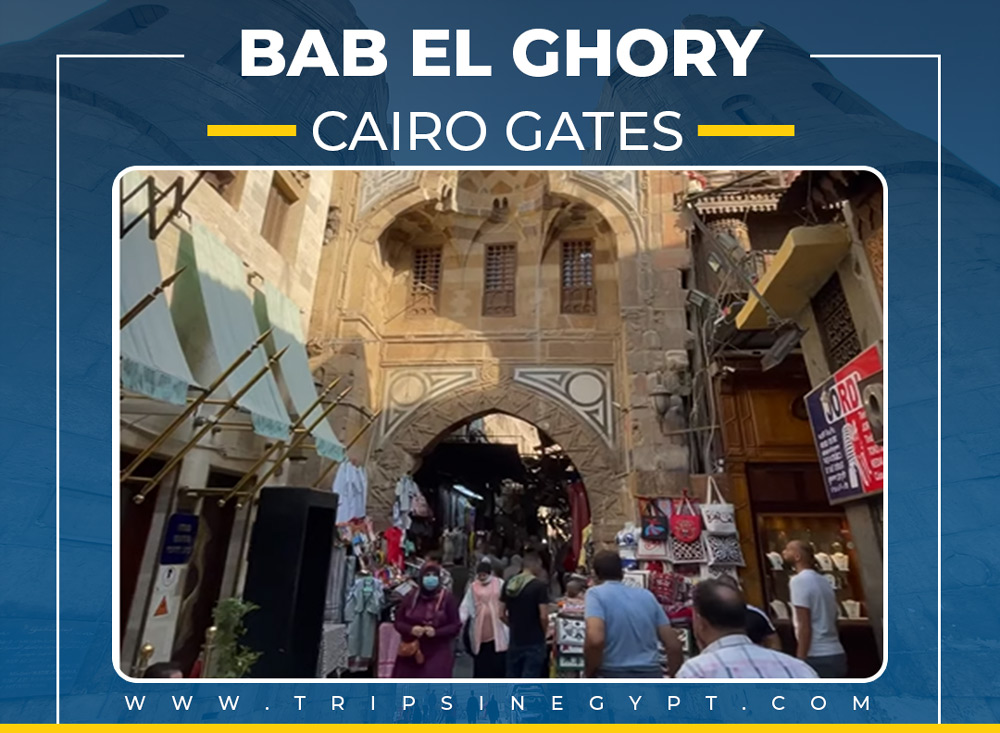
Address: Al-Muizz Street, just south of Al-Azhar Street, deep in the heart of Islamic Cairo.
Nearby Landmarks:
- Khan el-Khalili bazaar (a mere 5-minute walk).
- Al-Azhar Mosque (a quick 3-minute walk).
- Bab Zuweila gate (about a 10-minute walk south).
Transportation:
- Metro: Get off at Ataba or Al-Azhar stations, then take a short taxi ride or walk.
- Taxi: Simply tell drivers 'Wikala Al-Ghuri' or 'Al-Ghouriya, Al-Muizz Street'—they'll know.
- Walking: If you're already exploring Islamic Cairo, it's easily walkable from many other sites.
- Parking: Street parking is very limited; it's much easier to use a taxi or rideshare service.
Opening Hours
Wikala/Arts Center:
- Generally open during daylight hours for exploration.
- It's a good idea to check locally for the most current hours.
Tanoura Performances:
- Monday, Wednesday, and Saturday evenings.
- Starts approximately 7:30-8:00 PM.
- Duration: Around 1 hour.
Costs
- Wikala Entry: Often free to wander and explore.
- Tanoura Show: A modest ticket price that offers excellent value for such a unique experience!
- Photography: Usually allowed, but always confirm upon arrival.
What to Wear
For Mosque Areas:
- Modest clothing is essential (cover shoulders and knees).
- Women should bring a scarf for head covering.
- Remember to remove your shoes before entering prayer areas.
For Tanoura Show:
- Casual clothing is perfectly fine.
- Seating is often on floors or benches; if you have back issues, a small cushion might be a good idea!
Best Time to Visit
To Avoid Crowds:
- Weekday afternoons are great for exploring the complex itself.
- Monday shows tend to be less crowded than Saturday performances.
For the Best Experience:
- Combine an afternoon exploration with the evening Tanoura show.
- Golden hour (late afternoon) offers the most beautiful light for photography.
Experience El Ghorya Like Never Before
Get ready for pure magic before you even arrive! A little homework goes a long way: research some Mamluk history, and maybe try learning a few Arabic phrases—locals genuinely light up when tourists attempt their language! Understanding the basics of Sufism will transform the Tanoura show from mere entertainment into a profound spiritual journey.
During your visit, don't just look—engage! Ask a guide why Sultan Al-Ghuri's tomb sits empty (the answer is truly fascinating). Get up close to the mashrabiya screens and marvel at woodwork so intricate it almost seems impossible. After the hypnotic evening show, find a local café, sip on sweet mint tea, and discuss what the spinning meant to you. Then, step back out onto Al-Muizz Street and discover its enchanting nighttime glow.
Your Perfect Islamic Cairo Adventure
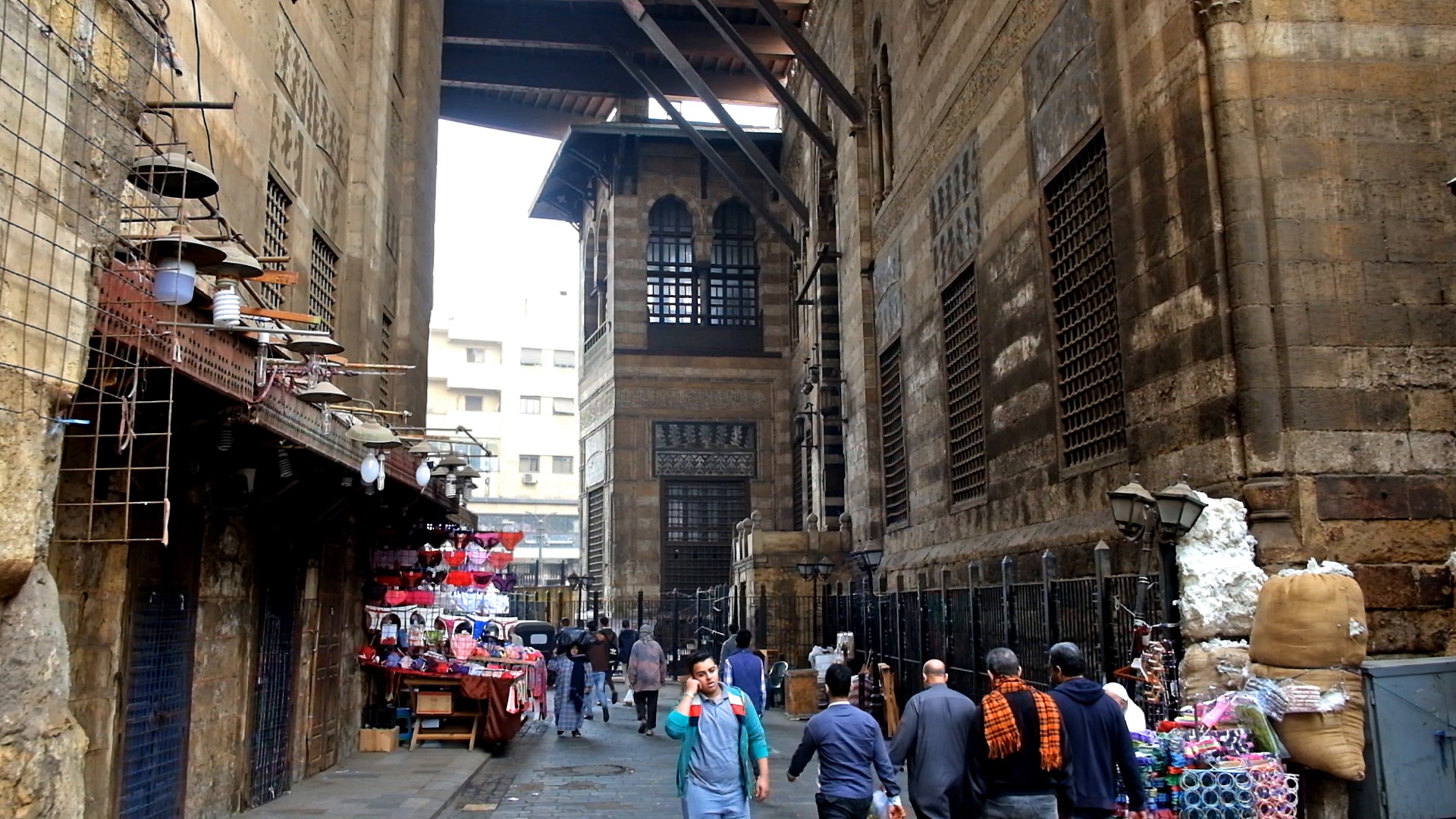
From morning to midnight, this day promises pure Cairo magic! Kick off your adventure at Al-Azhar Mosque, then simply walk down Al-Muizz Street—it's essentially the world's greatest open-air Islamic museum. Stop at the stunning Qalawun Complex before savoring a delicious lunch at a bustling restaurant near Khan el-Khalili. Spend your afternoon getting wonderfully lost in Khan el-Khalili's labyrinthine maze of treasures.
Then, as the golden afternoon light streams through ancient windows, tour El Ghorya's magnificent mosque and mausoleum.
Evening brings the main event: the mesmerizing Tanoura show at Wikala Al-Ghuri. Everything you need is within minutes: Khan el-Khalili, Al-Azhar, and the Tent-makers' bazaar are just five-minute walks, while Sultan Hassan's towering grandeur and the medieval Bab Zuweila gate await a mere ten minutes away.
Where History Comes Alive Today
This isn't a dusty, dead museum—it's a living, breathing cultural powerhouse! Egypt has brilliantly transformed a deteriorating Mamluk masterpiece into a thriving hub where artists create, performers spin, and ancient traditions not only survive but flourish. Ticket sales help fund ongoing restoration, local craftspeople earn livelihoods, and visitors get to truly experience heritage instead of just reading about it.
As the last major monument built before the Ottomans conquered Cairo in 1517, El Ghorya captures the final, glorious days when Cairo's wealth, sophistication, and artistry rivaled anything in Europe. This complex proves that medieval Cairo understood what modern cities are only now relearning—how to seamlessly integrate worship, commerce, art, and community within one magnificent urban space.
Insider Secrets from Those Who Know
Smart visitors arrive 30-45 minutes early for the Tanoura show—trust me on this! If you want amazing photos, skip the back rows. And forget online booking; it's notoriously unreliable here, so just buy your tickets at the door. Bring small Egyptian bills (it's always handy!) and do yourself a favor: stay after the performance. The performers are often relaxed and happy to chat.
The real magic often happens when you explore the neighborhood afterward—don't rush away! Photographers, listen up: the mashrabiya screens create jaw-dropping light patterns in the late afternoon, and using slow shutter speeds can turn spinning dervishes into truly artistic motion blur. The minaret? It photographs best from a distance, allowing you to capture its full, soaring height without awkward angles.
Questions That Haunt and Inspire
Stand in that empty tomb and really feel the weight of history. Sultan Al-Ghuri built his eternal resting place, fully expecting to sleep here forever—but he died in a distant battle, and his body never returned. What does this empty monument say about our plans versus fate's plans? It's a profound thought.
Watch a Tanoura dancer spin for an entire hour—then try spinning yourself for just thirty seconds, and you'll gain an immediate, deep appreciation for their superhuman skill and focus! In the wikala courtyard, close your eyes and imagine: you're a 16th-century spice merchant, exhausted after weeks of crossing endless desert, finally reaching the safety of Cairo.
Your camels groan under the weight of precious cargo—Indian textiles, Yemeni frankincense, mysterious goods from lands even farther east. What deals will you strike in this bustling caravanserai, where a dozen languages echo off ancient stone walls?
Ready to turn this guide into reality?
Our local experts can create a custom itinerary based on these recommendations. Just send us a quick message!
Customize via WhatsApp