
About Valley of the Kings
Journey into Eternity: The Valley of the Kings
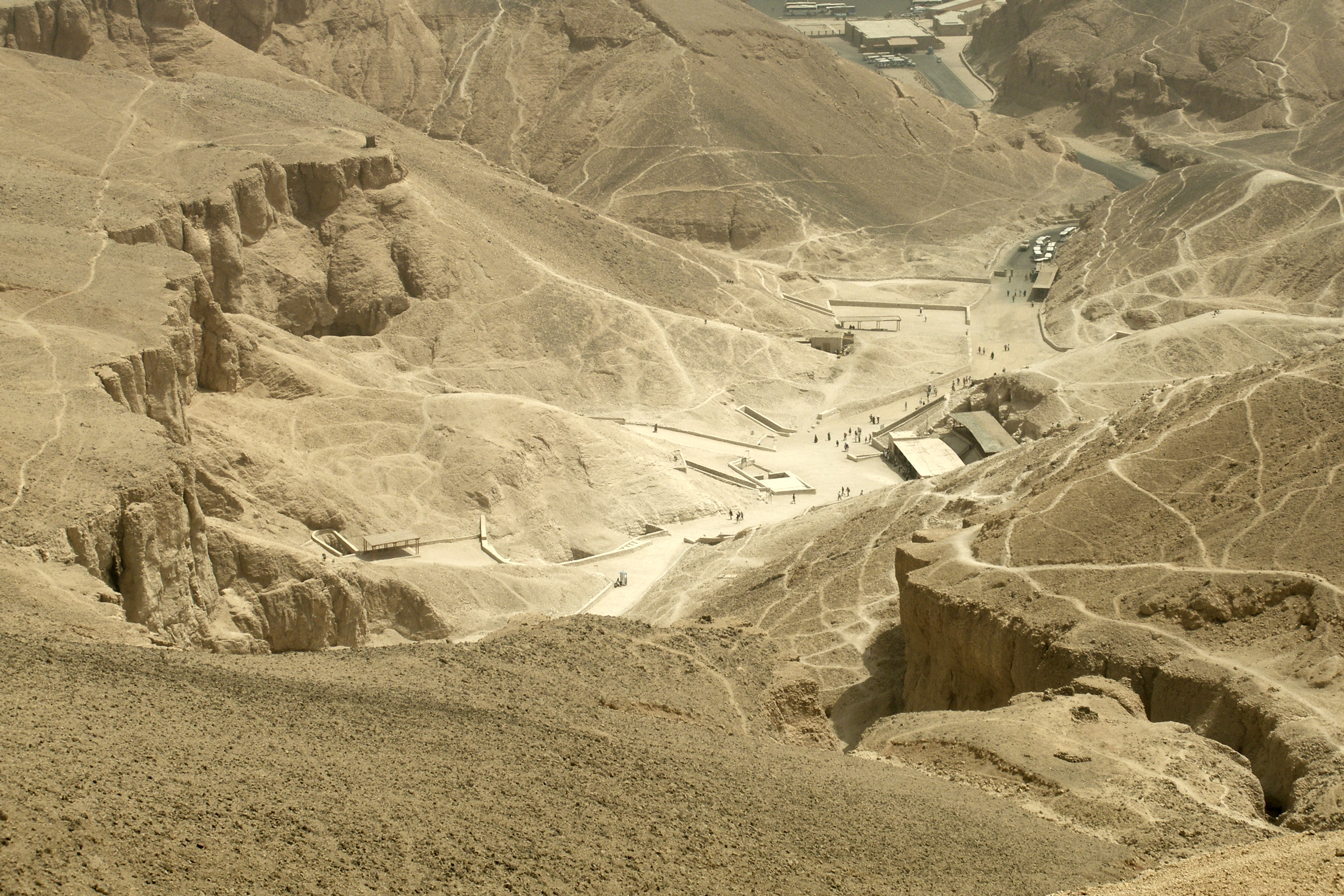
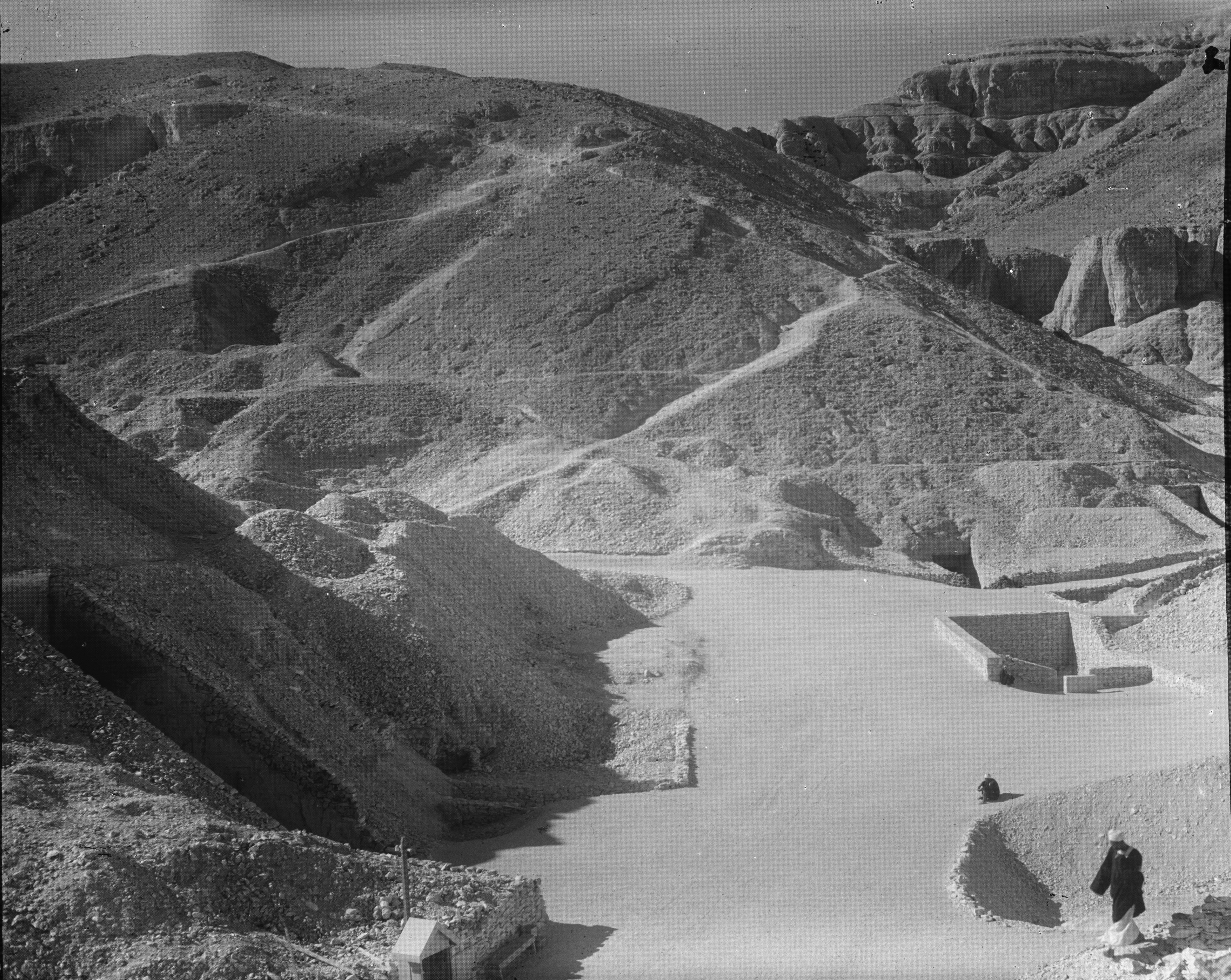
Step into the fabled burial grounds of pharaohs, including the renowned Tutankhamun, where vividly adorned tombs unveil ancient beliefs surrounding the afterlife. Situated on the west bank of the Nile, directly across from contemporary Luxor, the Valley of the Kings (Wadi el-Muluk) presents a stark, arid landscape that conceals the extraordinary artistry and profound spiritual devotion hidden beneath its surface.
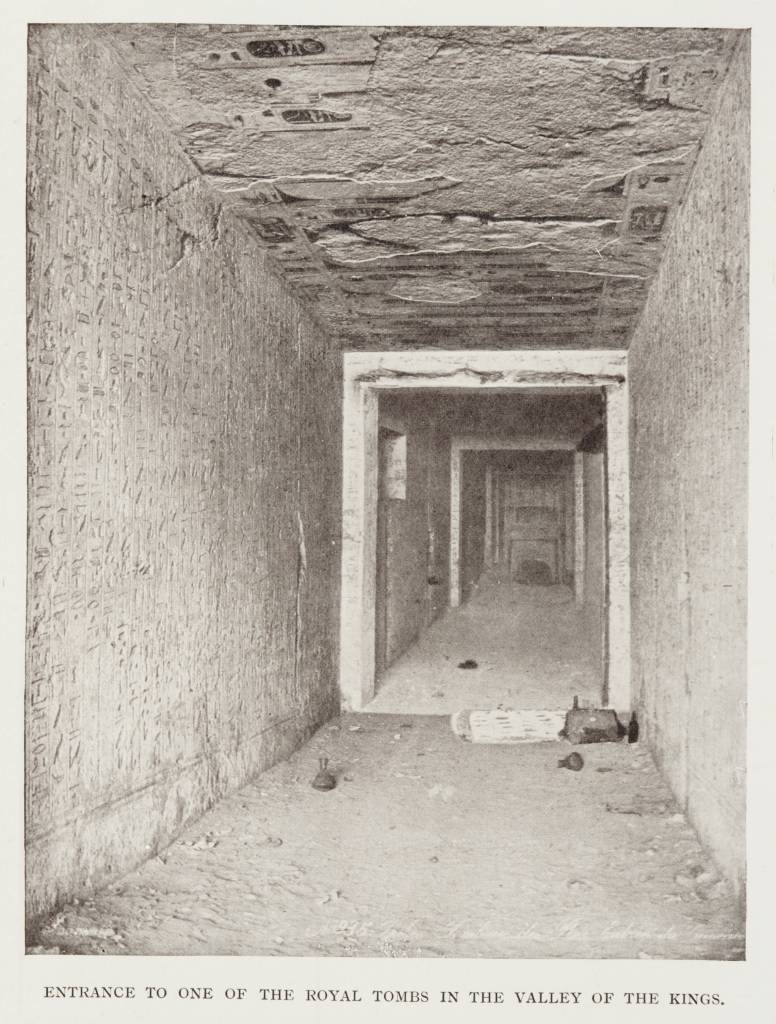
This royal necropolis served as the ultimate resting place for monarchs and influential nobles of the New Kingdom (approximately 1539-1075 BC), an era of immense prosperity and imperial dominance in ancient Egypt. As you descend into these subterranean sanctuaries, you will be transported millennia into the past.
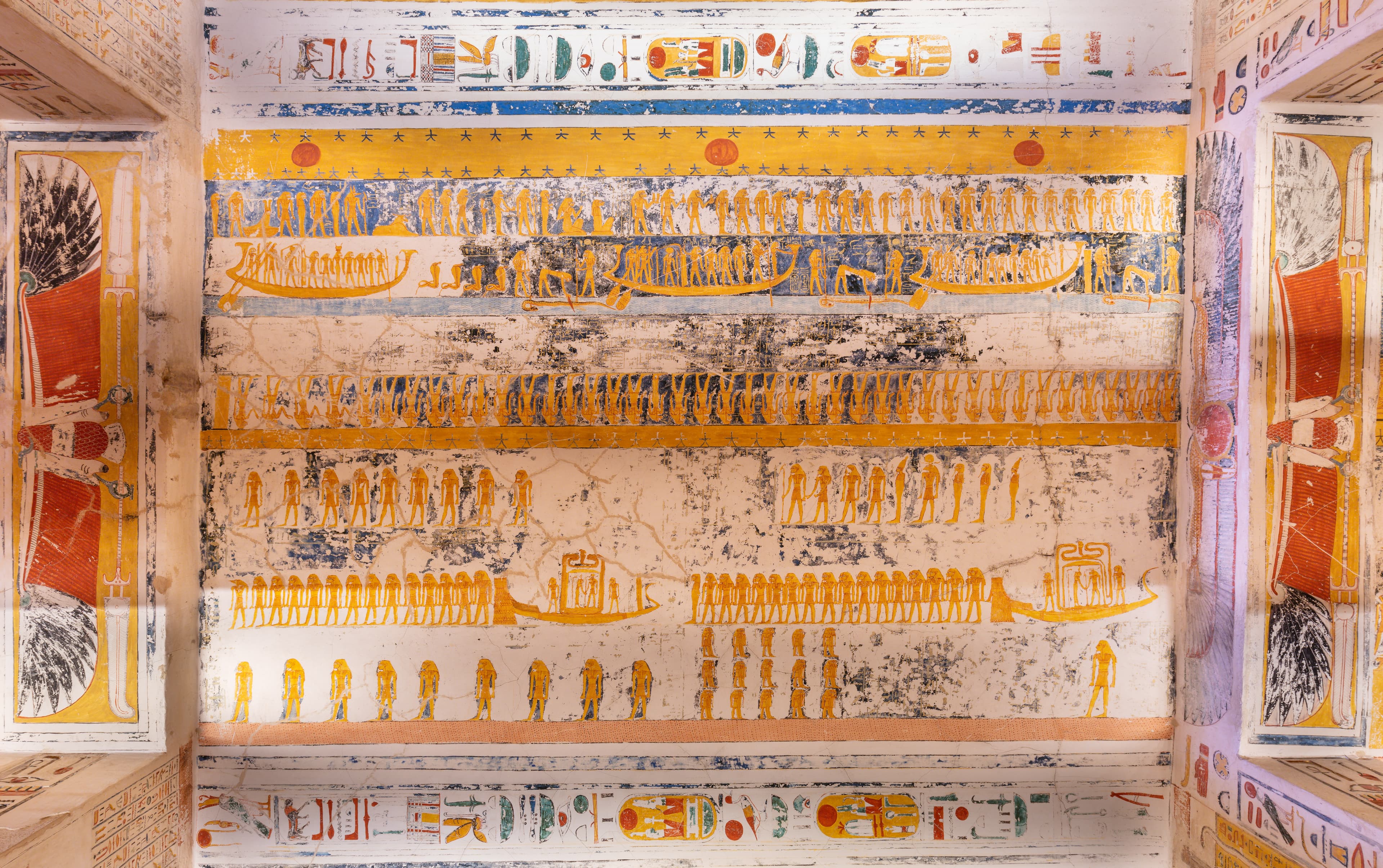
Each tomb stands as a singular masterpiece, intricately carved and painted with elaborate scenes from the Book of the Dead, mythological narratives, and depictions of the pharaoh's passage through the underworld. The vibrant pigments, remarkably preserved by the dry desert air, illuminate the deities, rituals, and astronomical convictions that guided the ancient Egyptians' perception of eternity.
While not all 63 identified tombs are accessible, those open to the public offer an unparalleled glimpse into the heart of ancient Egyptian funerary practices and their profound quest for immortality.
What Makes the Valley of the Kings Special?
The Valley of the Kings is not merely a collection of tombs; it is a testament to the ingenuity, artistry, and spiritual depth of one of history's greatest civilizations. Its significance lies in several unique aspects:
- A Royal Necropolis Emerges: The decision to establish the royal necropolis within the secluded, geologically stable Valley of the Kings signified a major departure from the pyramid burials characteristic of earlier dynasties. This strategic shift, coinciding with the dawn of the New Kingdom (18th Dynasty), was motivated by a quest for enhanced security against tomb raiders, a persistent challenge in previous epochs. The natural, pyramid-shaped peak of al-Qurn, majestically overlooking the valley, was also revered as a sacred emblem, further endorsing the site's suitability. Over approximately 500 years, pharaohs ranging from Thutmose I to Ramesses XI commissioned their elaborate tombs here. Every tomb was meticulously planned and excavated by skilled artisans and laborers, a process that could take years or even decades.
- Unparalleled Artistry: The tombs are not just burial chambers; they are subterranean galleries showcasing some of the most exquisite ancient Egyptian art. The intricate hieroglyphs, detailed mythological scenes, and vibrant depictions of the pharaoh's journey through the underworld provide a rich narrative of their beliefs. The dry desert climate has miraculously preserved these frescoes, allowing visitors to appreciate the original brilliance of the colors.
- The Tomb of Tutankhamun: While perhaps not the grandest, the discovery of Tutankhamun's nearly intact tomb by Howard Carter in 1922 captured the world's imagination and offered an unprecedented look into royal burial practices, complete with its dazzling treasures. His tomb remains a highlight for many visitors.
- A Window into the Afterlife: Each tomb is a carefully crafted guidebook to the afterlife, reflecting the pharaoh's preparation for eternal life and union with the gods. Understanding the symbolism within these chambers provides profound insight into ancient Egyptian cosmology and their deep spiritual devotion.
What to See and Do
Exploring the Valley of the Kings is an immersive experience. Upon arrival, a small tram can take you from the visitor center to the tomb area, a short but often welcome ride in the desert heat.
Exploring the Tombs
Your entrance ticket typically grants access to a select number of tombs (usually 3, excluding special tombs like Tutankhamun's, Seti I's, and Ramesses VI's, which require separate tickets). The accessible tombs rotate to allow for conservation, so check upon arrival which ones are open. Some popular choices often include:
- Tomb of Ramesses III (KV11): Known for its vibrant colors and detailed scenes depicting daily life and religious texts.
- Tomb of Ramesses IV (KV2): Features a grand entrance and impressive astronomical ceilings.
- Tomb of Merenptah (KV8): One of the longest tombs, with well-preserved carvings.
- Tomb of Tausert and Setnakht (KV14): A unique tomb with two distinct burial chambers, reflecting a change in ownership.
- Tomb of Tutankhamun (KV62): Although smaller and less decorated than others due to his premature death, seeing the actual mummy of the boy king in situ is an unforgettable experience.
Remember to respect the sanctity and fragility of these ancient sites. Photography is often restricted or requires a special permit inside the tombs to prevent damage from flashes and to manage crowds.
How to Visit
Getting There
The Valley of the Kings is located on the West Bank of Luxor. You can reach it via:
- Taxi: The most common and convenient option from Luxor East Bank. Negotiate the fare in advance, or arrange a full-day tour that includes other West Bank sites.
- Ferry and Taxi/Bicycle: Take the public ferry across the Nile to the West Bank, then hire a taxi or rent a bicycle to explore. This is a more adventurous and budget-friendly option.
- Organized Tour: Many hotels and tour operators in Luxor offer comprehensive tours of the West Bank, including the Valley of the Kings, Hatshepsut's Temple, and the Colossi of Memnon.
Tickets and Entry
- Main Entrance Ticket: Purchased at the visitor center, this ticket typically allows entry to 3 standard tombs.
- Special Tombs: Tombs like those of Tutankhamun, Seti I, and Ramesses VI require separate, additional tickets, which can also be purchased at the visitor center.
- Photography Pass: If available and desired, inquire about a photography pass for inside the tombs.
Time Needed
Allocate at least 2-3 hours for the Valley of the Kings itself, not including travel time. This allows you to visit a few tombs at a comfortable pace and soak in the atmosphere. If you plan to visit multiple special tombs, you may need more time.
Best Time to Visit & Tips
Best Time to Visit
The cooler months from October to April are ideal for visiting Luxor and the Valley of the Kings. During these months, temperatures are pleasant, making exploration more comfortable. Avoid the peak summer months (June-August) when temperatures can be extreme.
Essential Tips for Your Visit
- Hydrate: The desert sun is intense. Carry plenty of water.
- Sun Protection: Wear a hat, sunglasses, and high-SPF sunscreen.
- Comfortable Footwear: You'll be doing a fair amount of walking, including descending into tombs, so comfortable shoes are a must.
- Early Bird: Arrive as early as possible (the site typically opens around 6 AM) to beat the crowds and the midday heat.
- Respectful Attire: While there's no strict dress code, modest clothing is always appreciated when visiting historical and religious sites in Egypt.
- Local Guides: Consider hiring an authorized Egyptologist guide. Their insights can significantly enhance your understanding and appreciation of the tombs' intricate details and historical context.
- Souvenirs: There are vendors outside the complex. Bargaining is expected if you choose to purchase anything.

Historical Significance
A Royal Necropolis Emerges
The decision to establish the royal necropolis within the secluded, geologically stable Valley of the Kings signified a major departure from the pyramid burials characteristic of earlier dynasties. This strategic shift, coinciding with the dawn of the New Kingdom (18th Dynasty), was motivated by a quest for enhanced security against tomb raiders, a persistent challenge in previous epochs.
The natural, pyramid-shaped peak of al-Qurn, majestically overlooking the valley, was also revered as a sacred emblem, further endorsing the site's suitability.
Over approximately 500 years, pharaohs ranging from Thutmose I to Ramesses XI commissioned their elaborate tombs here. Every tomb was meticulously planned and excavated by skilled artisans and laborers, a process that could span several years. The discovery of the workmen's village at Deir el-Medina offers invaluable insights into the daily lives of those who forged these eternal resting places.
The Valley's narrative also includes extensive plundering, with the majority of tombs being ransacked in antiquity. Nevertheless, the occasional discovery of an intact or relatively undisturbed tomb, such as that of Tutankhamun, continues to reshape our understanding of ancient Egyptian funerary customs and royal opulence.
Tours Visiting Valley of the Kings
Private, Egyptologist-guided experiences with tickets and transfers handled for you.
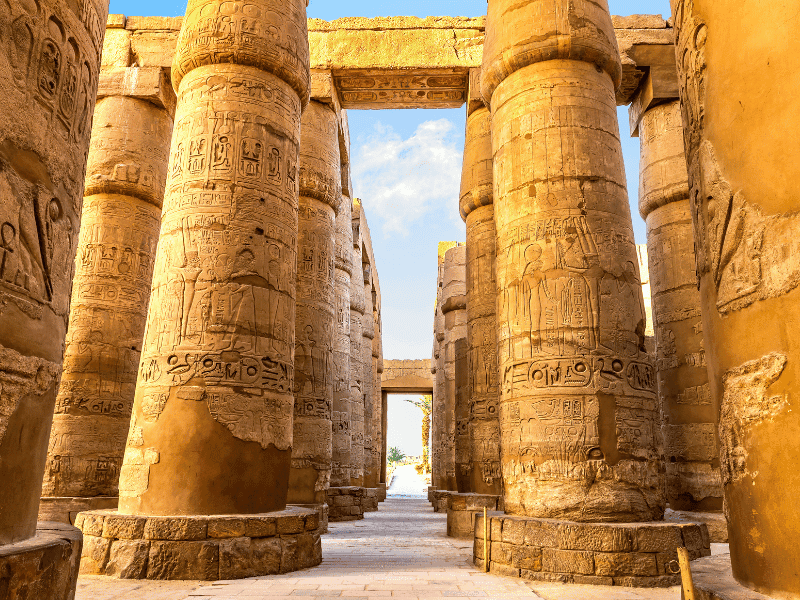
This full-day shore excursion from Safaga Port takes cruise passengers to Luxor to see the Karnak Temple complex, the Valley of the Kings, and the Temple of…
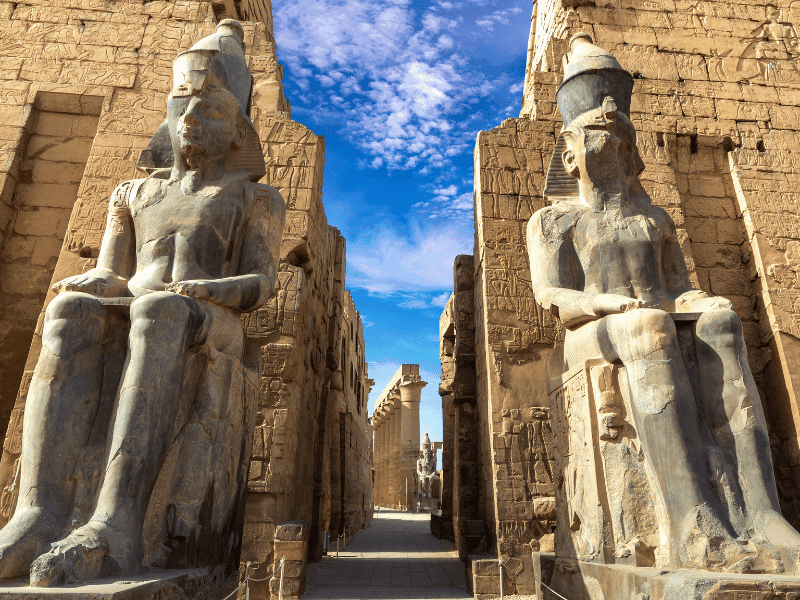
You'll find yourself standing before the imposing pylons of Karnak, ready to delve into its mysteries. This comprehensive day in Luxor promises a deep…
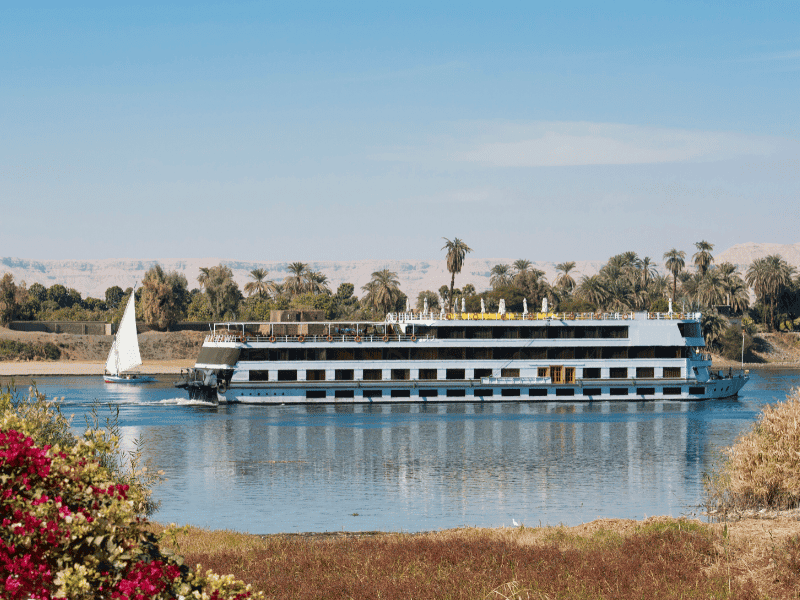
This 3- or 4-night Nile cruise aboard the M/S Nile Dolphin sails between Luxor and Aswan, stopping at Kom Ombo, Edfu, and Aswan's landmark sites, with a…
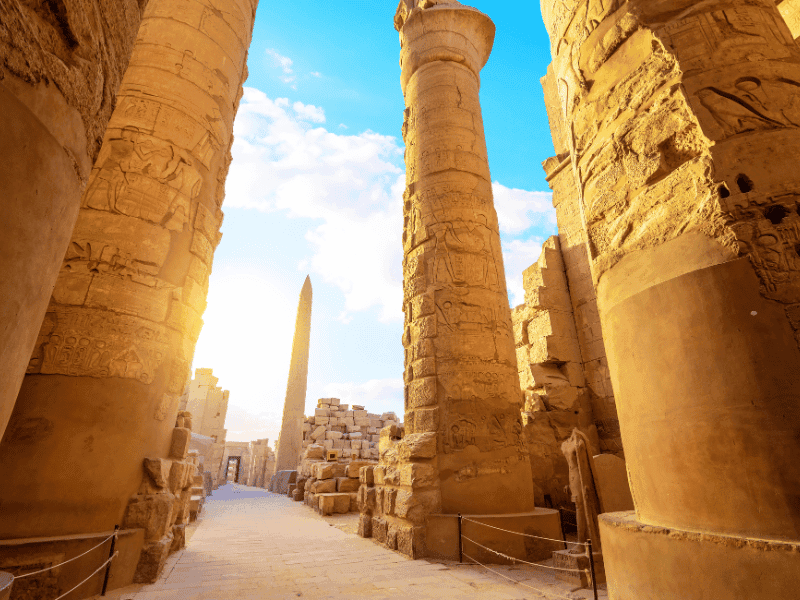
This full-day tour flies travelers from Cairo to Luxor and back in a single day, covering the Valley of the Kings, Hatshepsut's mortuary temple, the Colossi of…
This 10-day private tour of Egypt travels from Cairo through a Nile cruise between Aswan and Luxor to a Red Sea stay in Hurghada, combining ancient monuments…
This 10-day escorted tour, guided throughout by Travel Joy Egypt's guide Jessica, combines Egypt's Cairo and Nile Valley sites with a Jordan extension that…
Valley of the Kings — Frequently Asked Questions
Everything you need to know before visiting Valley of the Kings.
Top attractions in Luxor
Egypt tours by destination
Browse Egypt tours by category
- 1Egypt Tour Packages
- 2Egypt Day Tours
- 3Nile Cruises
- 4Tailor-Made Tours
- 5Honeymoon Packages
- 6Family Packages
- 7Luxury Packages
- 8Private Packages
- 9Small-Group Packages
- 10All-Inclusive Packages
- 11Last-Minute Egypt Tours
- 12Dahabiya Cruises
- 13Egypt Travel Guide
- 14Egypt Tour Packages from USA
- 15Egypt & Jordan Tour Packages