
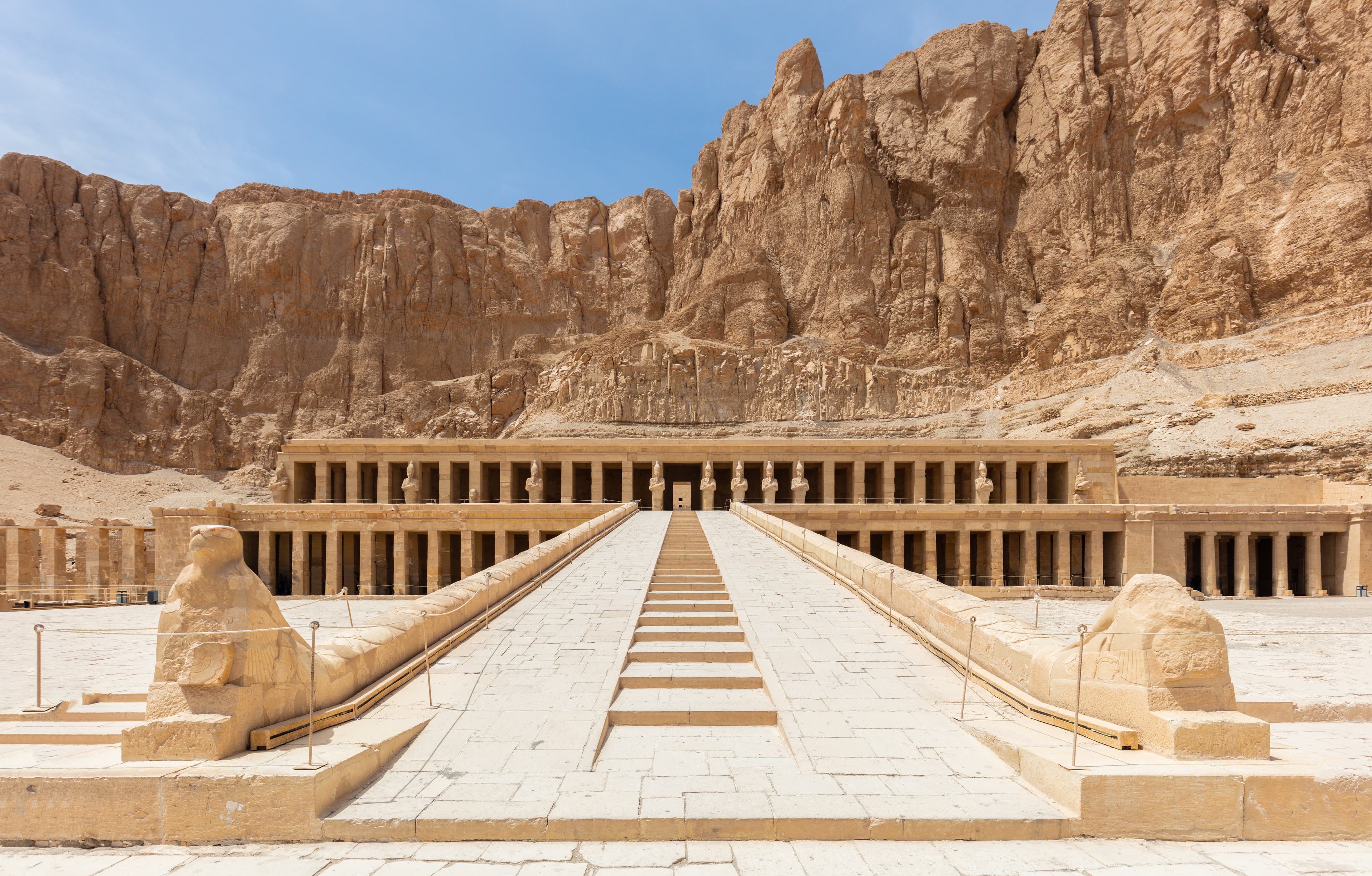
About Temple of Hatshepsut
Discover the Temple of Hatshepsut: A Testament to Ancient Egypt's Female Pharaoh
Journey to the captivating mortuary temple honoring Egypt's formidable female pharaoh, Hatshepsut, a stunning architectural marvel nestled against the dramatic cliffs of Deir el-Bahari. A visit to the Temple of Hatshepsut offers an unparalleled encounter with ancient ingenuity and stands as an enduring tribute to one of Egypt's most extraordinary rulers.
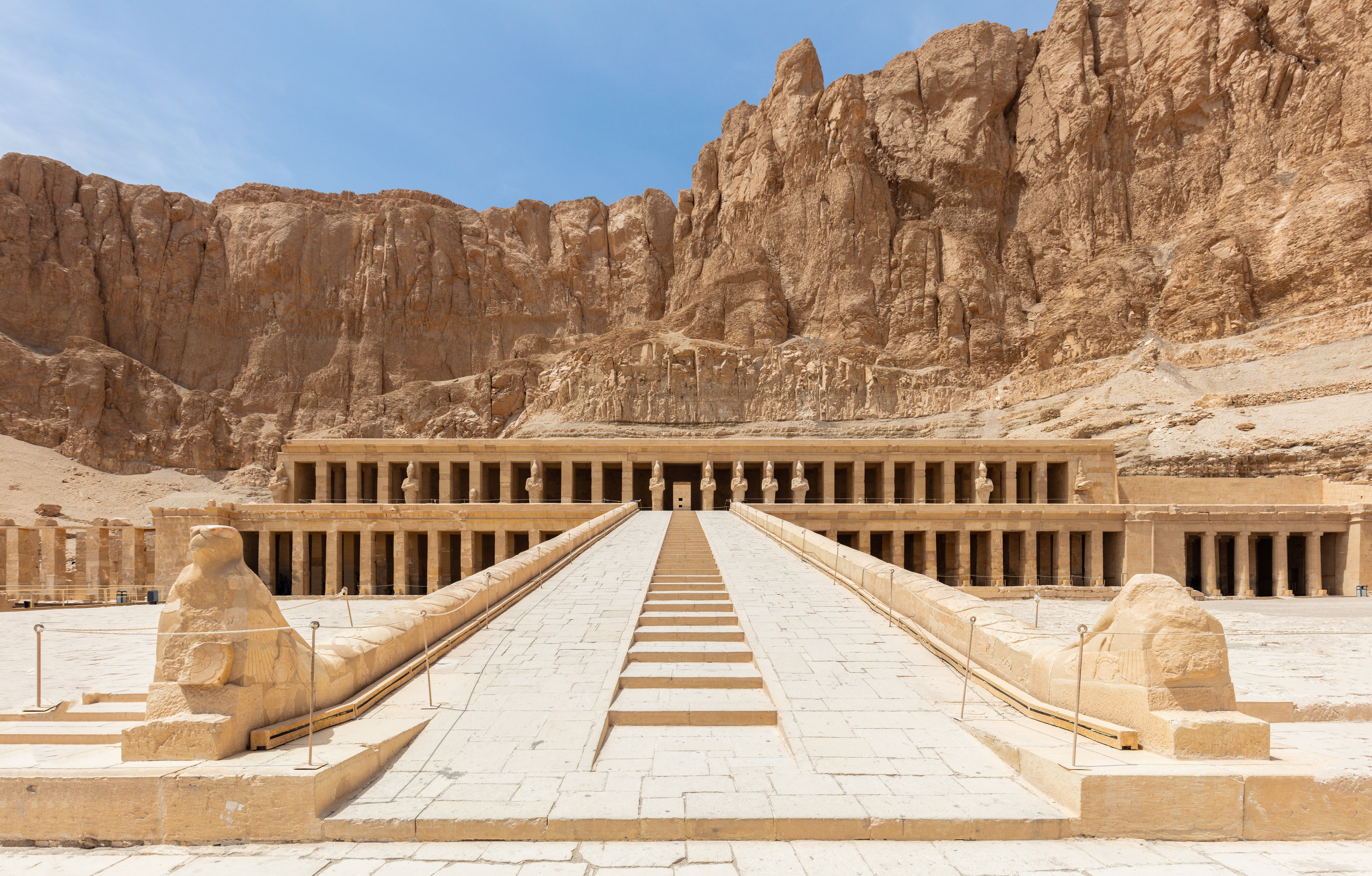
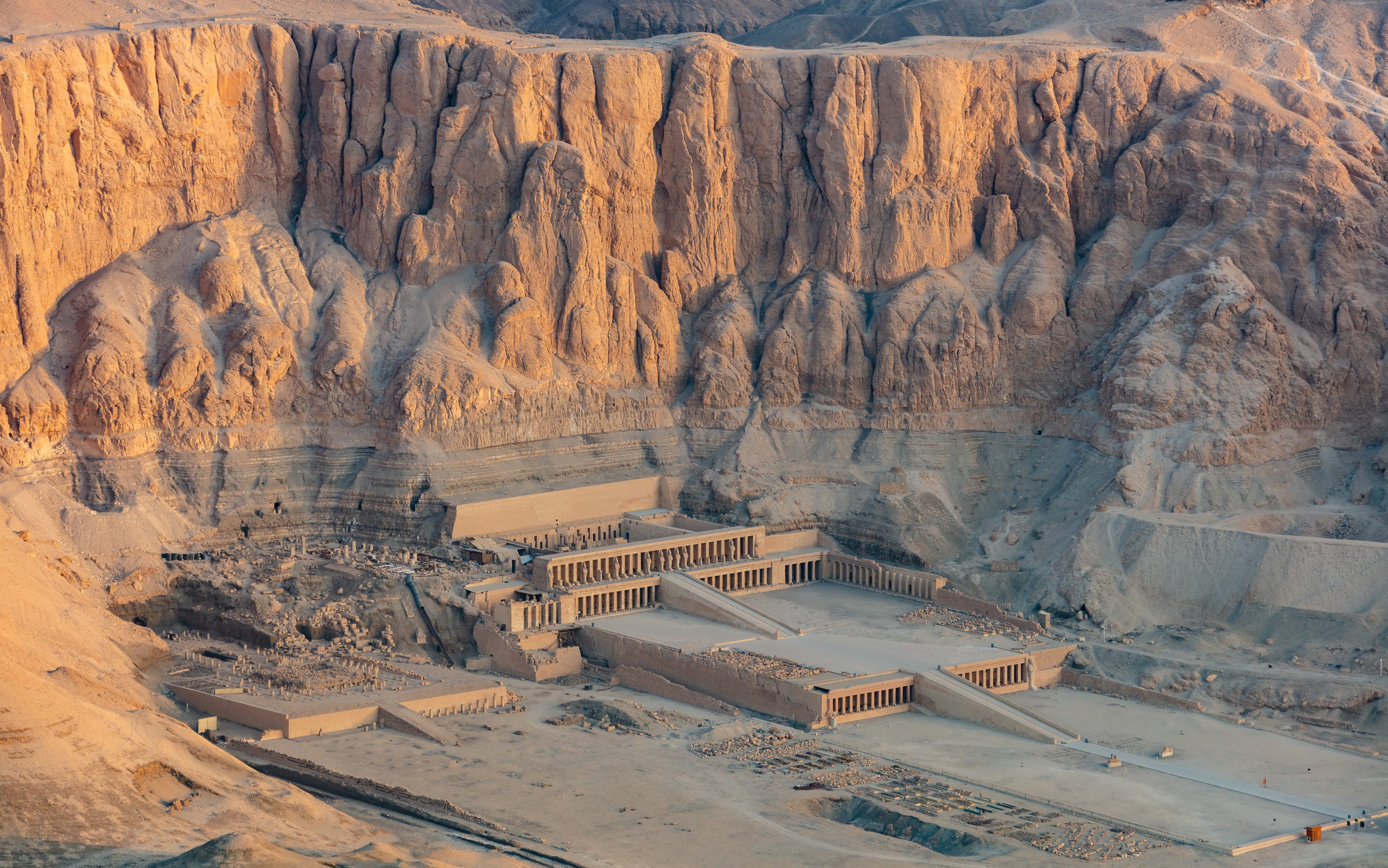
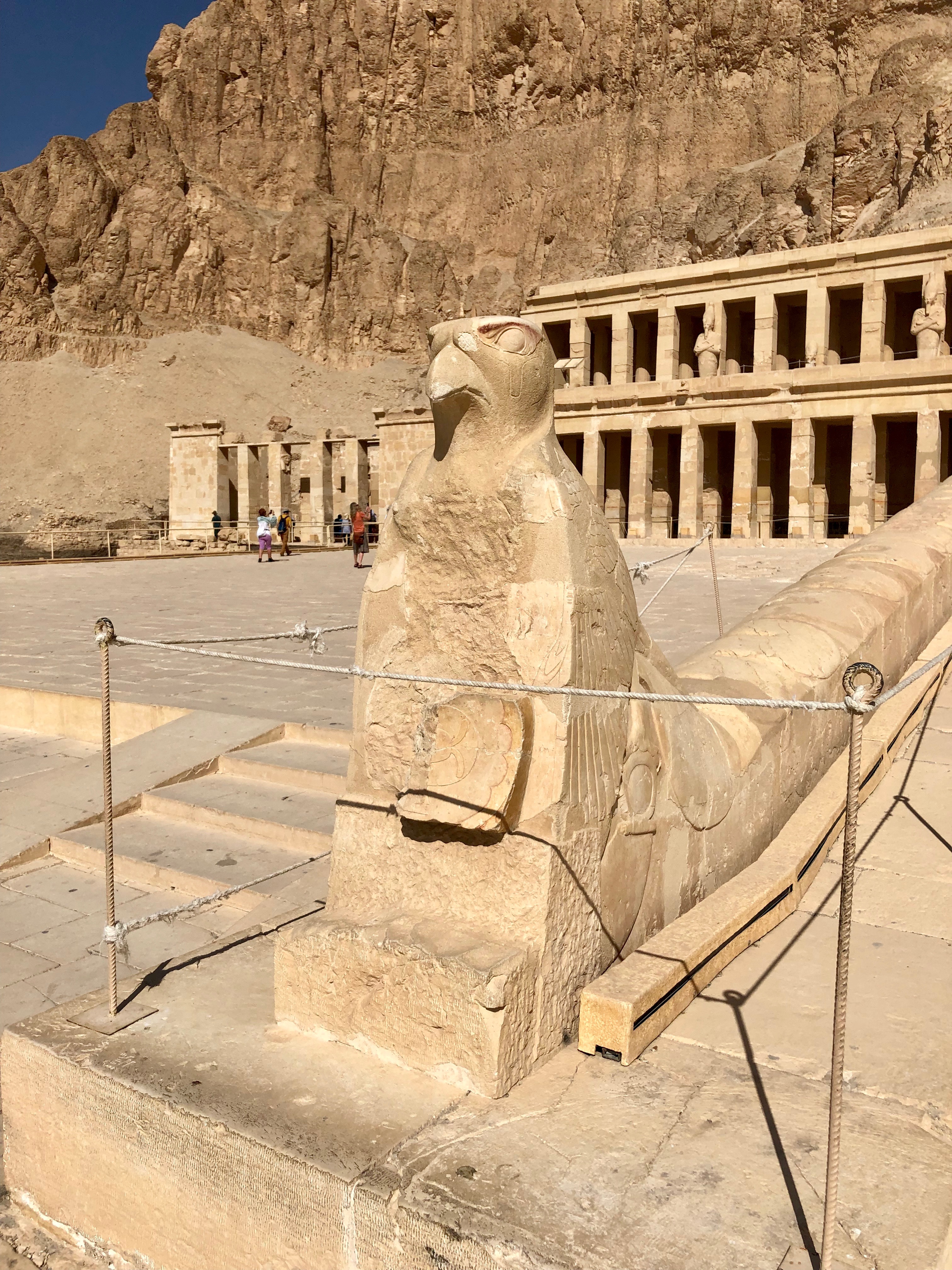
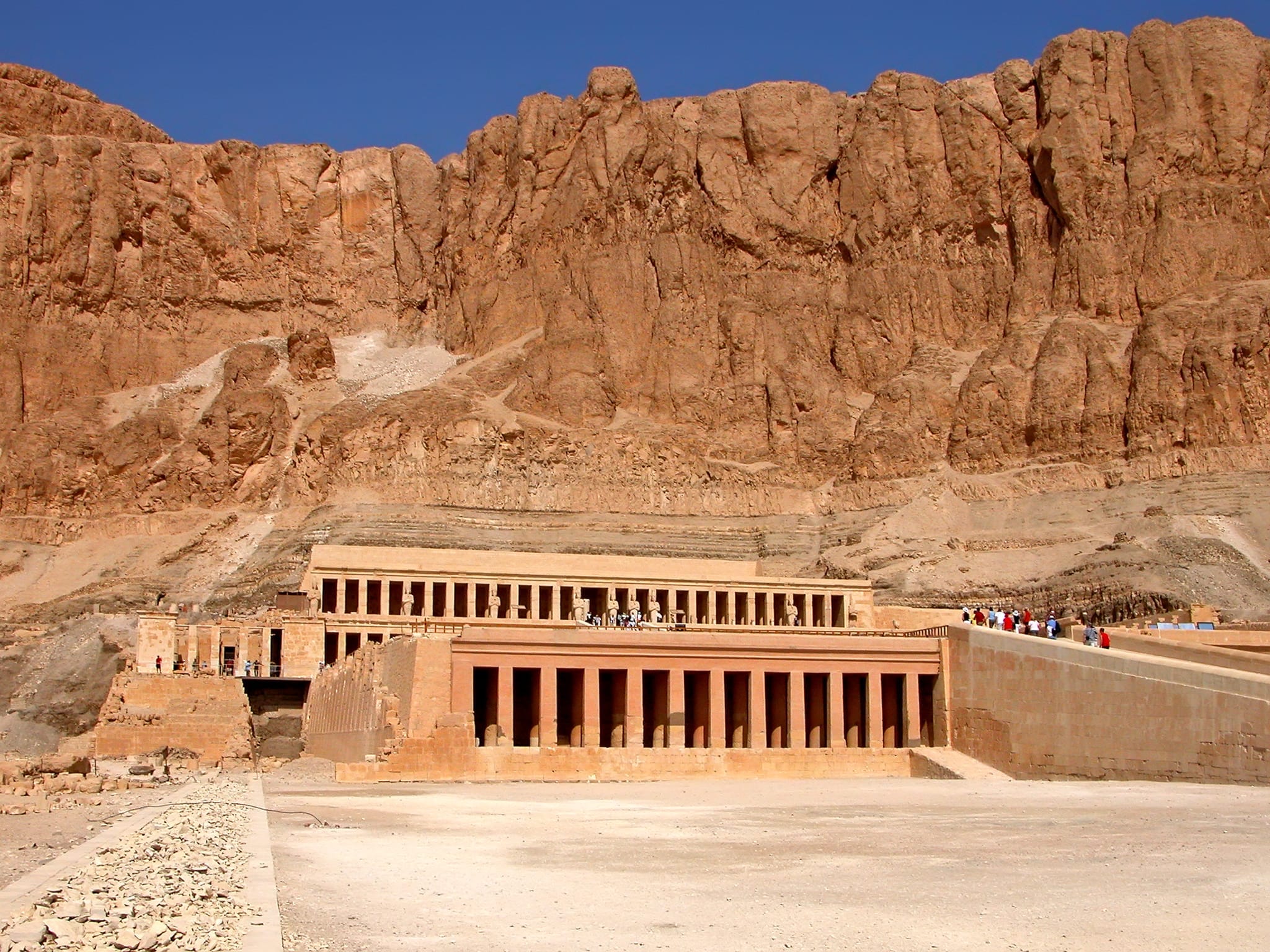
As you approach, behold the temple's three majestic terraces, interconnected by long ramps, ascending gracefully from the desert landscape, providing a striking contrast to the rugged Theban mountains beyond. This revolutionary design, a clear departure from conventional pylon-and-courtyard temples, is widely attributed to Hatshepsut’s brilliant chief architect, Senenmut.
Explore the expansive first terrace, once adorned with lush gardens and vibrant trees, which leads to the second terrace. Here, marvel at the intricately carved reliefs of the Punt Colonnade, vividly illustrating Hatshepsut's renowned expedition to the fabled Land of Punt – a pivotal trade mission that yielded valuable exotic commodities such as frankincense, myrrh, and live trees. Adjacent, the Birth Colonnade chronicles her divine birth and validates her legitimacy as pharaoh.
Commissioned by Pharaoh Hatshepsut during the 18th Dynasty (circa 1479–1458 BC), this mortuary temple, originally known as Djeser-Djeseru ('Holy of Holies'), was conceived not merely as a site for her post-mortem cult but also as a grand statement of her reign and divine right to rule. Its distinctive terraced form, meticulously carved into the natural rock face, represented a daring architectural innovation, distinguishing it from other New Kingdom temples.
Hatshepsut's reign was characterized by widespread prosperity and ambitious construction projects, marked by extensive trade expeditions and a flourishing of artistic expression. The temple functioned as a powerful declaration of her legitimacy.
What Makes the Temple of Hatshepsut Special?
The Temple of Hatshepsut stands as a unique monument in ancient Egyptian architecture and history for several compelling reasons:
- Revolutionary Architecture: Its terraced design, carved directly into the limestone cliffs, was groundbreaking for its time, dramatically differing from the typical pylon-and-courtyard temple layouts. This innovative approach, attributed to her chief architect Senenmut, created a harmonious blend of natural landscape and monumental structure.
- Tribute to a Female Pharaoh: It is the mortuary temple of one of ancient Egypt's most successful and powerful female rulers, Pharaoh Hatshepsut. Her story of ascension to power and her prosperous reign is etched into the very stones of this magnificent complex.
- Rich Narrative in Reliefs: The temple walls are adorned with incredibly detailed and well-preserved reliefs that serve as historical documents. They depict significant events of her reign, including the famous expedition to Punt and the narrative of her divine birth, crucial for legitimizing her rule.
- Symbol of Resilience: Despite attempts to erase her memory from history after her death, the temple endured, allowing us to piece together the extraordinary life and achievements of this remarkable woman.
What to See at Djeser-Djeseru (Holy of Holies)
Your journey through Hatshepsut's temple is a journey through her legacy:
The Grand Terraces and Ramps
Upon arrival, the sheer scale of the temple becomes apparent. The three main terraces rise majestically from the desert floor, connected by long, gentle ramps that were once flanked by sphinxes and trees. Each terrace offers a different perspective and reveals new details of the temple's purpose.
The First Terrace
This expansive lower level, though largely open today, was once a vibrant garden with exotic trees and plants, leading visitors towards the imposing structure above. Imagine the vivid colors and lush greenery that would have greeted ancient devotees.
The Second Terrace: Punt and Birth Colonnades
Ascend to the second terrace, where some of the most famous reliefs are located. The Punt Colonnade provides a fascinating visual record of Hatshepsut's trade expedition to the mythical Land of Punt, showcasing the riches she brought back, including myrrh, frankincense, and even live trees. Adjacent to it, the Birth Colonnade details the story of her divine conception and birth, a powerful tool used to solidify her legitimacy as pharaoh.
The Sanctuary of Amun-Re
Continue further into the temple, and you'll find shrines dedicated to Amun-Re, the patron god of Thebes, and Hathor, the goddess of fertility and joy. The inner sanctuaries are carved into the rock face, offering a cooler, more intimate atmosphere for reflection and worship.
How to Visit the Temple of Hatshepsut
- Getting There: The Temple of Hatshepsut is located on the West Bank of Luxor, specifically in the Deir el-Bahari area. You can reach it by taxi from Luxor East Bank, or as part of an organized tour. Many visitors combine it with other West Bank sites like the Valley of the Kings and Medinet Habu.
- Tickets: Tickets are purchased at the entrance to the site. It is advisable to have Egyptian Pounds for payment, though credit cards may be accepted at larger ticket offices. Check current pricing before your visit.
- Time Needed: Allocate at least 1.5 to 2 hours to fully explore the temple, appreciate the reliefs, and soak in the atmosphere. If you are particularly interested in hieroglyphs and history, you might want more time.
Best Time to Visit & Tips
- Early Morning or Late Afternoon: Luxor can get extremely hot, especially during the summer months (May-September). Visiting in the early morning (right when it opens) or late afternoon will allow you to avoid the harshest sun and larger crowds.
- Wear Comfortable Shoes: You'll be doing a fair amount of walking on uneven surfaces and ramps.
- Sun Protection: A hat, sunglasses, and high-SPF sunscreen are essential, as there is little shade once you are on the terraces.
- Bring Water: Stay hydrated! There might be vendors, but it's best to bring your own water.
- Consider a Guide: A knowledgeable Egyptologist guide can bring the reliefs and history of Hatshepsut to life, offering insights you might otherwise miss.
Historical Significance
A Landmark of Architectural Vision and Subsequent Erasure
Commissioned by Pharaoh Hatshepsut during the 18th Dynasty (circa 1479–1458 BC), this mortuary temple, originally known as Djeser-Djeseru ('Holy of Holies'), was conceived not merely as a site for her post-mortem cult but also as a grand statement of her reign and divine right to rule. Its distinctive terraced form, meticulously carved into the natural rock face, represented a daring architectural innovation, distinguishing it from other New Kingdom temples.
Hatshepsut's Reign and Enduring Legacy
- Hatshepsut's reign was characterized by widespread prosperity and ambitious construction projects, marked by extensive trade expeditions and a flourishing of artistic expression.
- The temple functioned as a powerful declaration of her legitimacy, employing elaborate reliefs to depict her divine birth and successful ventures.
- Following her passing, and during the reign of her stepson Thutmose III, a deliberate campaign was initiated to systematically remove her from historical records. Her images, cartouches, and even certain sections of the temple were intentionally defaced or destroyed, likely to solidify Thutmose III's claim to the throne and reassert traditional male pharaonic succession.
- Despite these concerted efforts, the temple's resilient structure and the eventual rediscovery of her name have secured her place as one of Egypt's most compelling and influential rulers.
Tours Visiting Temple of Hatshepsut
Private, Egyptologist-guided experiences with tickets and transfers handled for you.
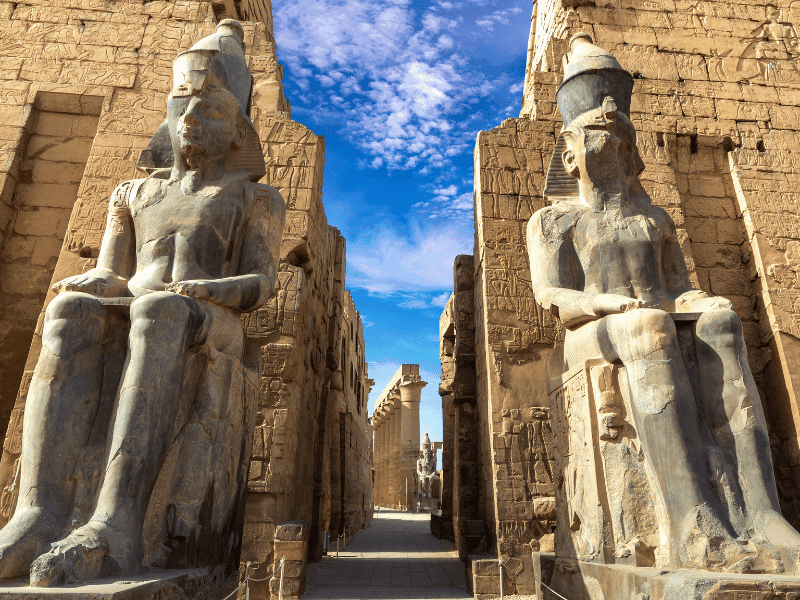
You'll find yourself standing before the imposing pylons of Karnak, ready to delve into its mysteries. This comprehensive day in Luxor promises a deep…
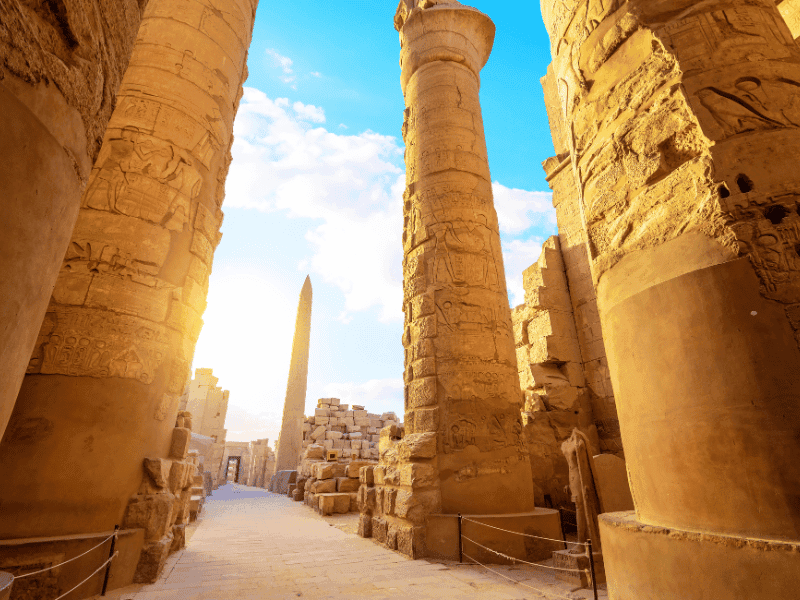
This full-day tour flies travelers from Cairo to Luxor and back in a single day, covering the Valley of the Kings, Hatshepsut's mortuary temple, the Colossi of…

This 10-day private tour of Egypt travels from Cairo through a Nile cruise between Aswan and Luxor to a Red Sea stay in Hurghada, combining ancient monuments…
This 10-day escorted tour, guided throughout by Travel Joy Egypt's guide Jessica, combines Egypt's Cairo and Nile Valley sites with a Jordan extension that…
This 12-day luxury tour traces a route from Cairo through Middle Egypt's lesser-visited sites to Luxor and Aswan, combining a private touring itinerary with a…
This 13-day cultural tour covers Cairo, Alexandria, Luxor, and Aswan, combining hotel-based sightseeing in the north with a week-long Nile cruise through Upper…
Temple of Hatshepsut — Frequently Asked Questions
Everything you need to know before visiting Temple of Hatshepsut.
Top attractions in Luxor
Egypt tours by destination
Browse Egypt tours by category
- 1Egypt Tour Packages
- 2Egypt Day Tours
- 3Nile Cruises
- 4Tailor-Made Tours
- 5Honeymoon Packages
- 6Family Packages
- 7Luxury Packages
- 8Private Packages
- 9Small-Group Packages
- 10All-Inclusive Packages
- 11Last-Minute Egypt Tours
- 12Dahabiya Cruises
- 13Egypt Travel Guide
- 14Egypt Tour Packages from USA
- 15Egypt & Jordan Tour Packages