


Where's the Temple of Esna, Anyway?
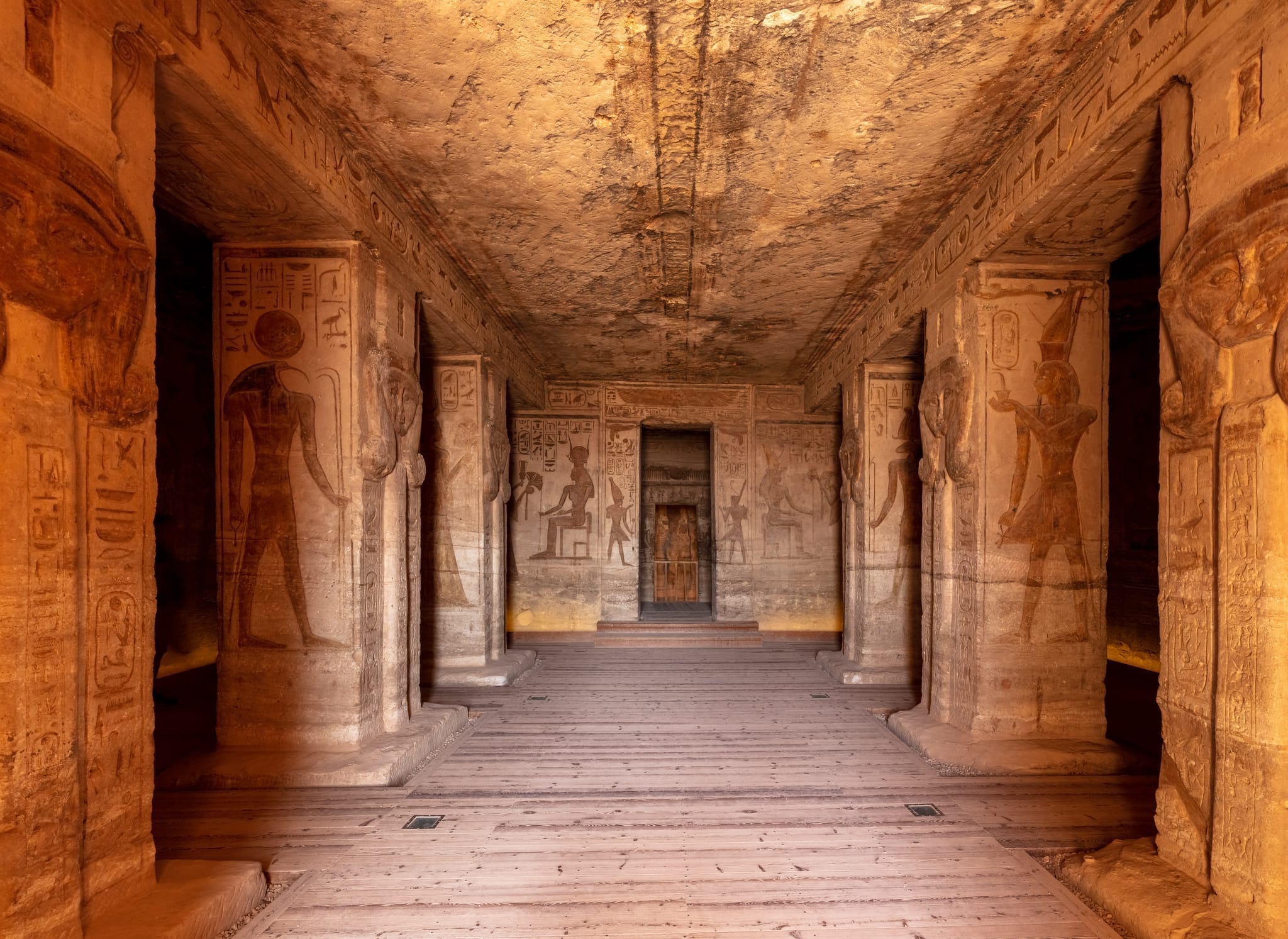 Picture this: you're cruising down the Nile, and suddenly this sprawling, vibrant town appears. That's Esna. The temple itself, officially dedicated to the ram-headed creator god Khnum – and his divine entourage, Neith and Heka – is right there, almost swallowed by the modern city. It's not out in the tranquil desert like some other sites; it's an active part of the community, which just adds to its unique charm. You really get a sense of how ancient life intertwined with the everyday. It's a surreal experience, stepping off a busy street into a piece of antiquity.
A Timeline Unveiled: When Was This Marvel Built?
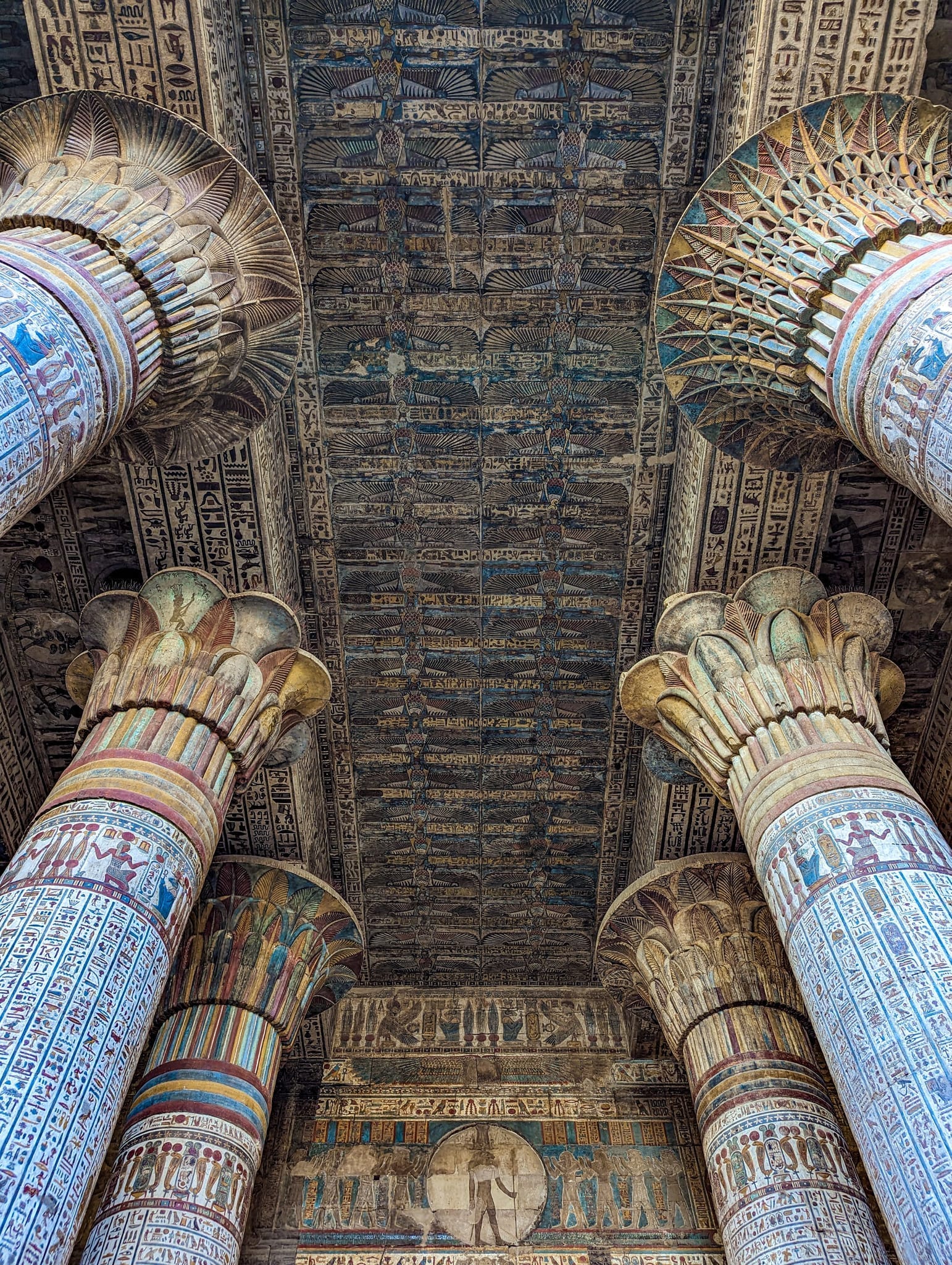 While the current structure might *look* Roman, the story of Esna's temple runs much deeper. There's evidence of an earlier New Kingdom temple on this very spot, dating back to King Thutmose III of the 18th Dynasty. But the grand structure you see today, the one that makes you gasp, that's largely a Ptolemaic and Roman creation. Construction and decoration really kicked off somewhere between 40 and 250 AD. Emperors like Claudius, Trajan, and Hadrian all left their mark here, expanding and embellishing it. It's wild to think about these Roman rulers, so far from Rome, dedicating themselves to Egyptian gods and traditions. In fact, this temple holds the very last known hieroglyphic inscription in ancient Egypt, dated to 250 AD. It's like the final whisper of a magnificent language.
Rituals and Reverence: The Heart of Ancient Esna's Temples
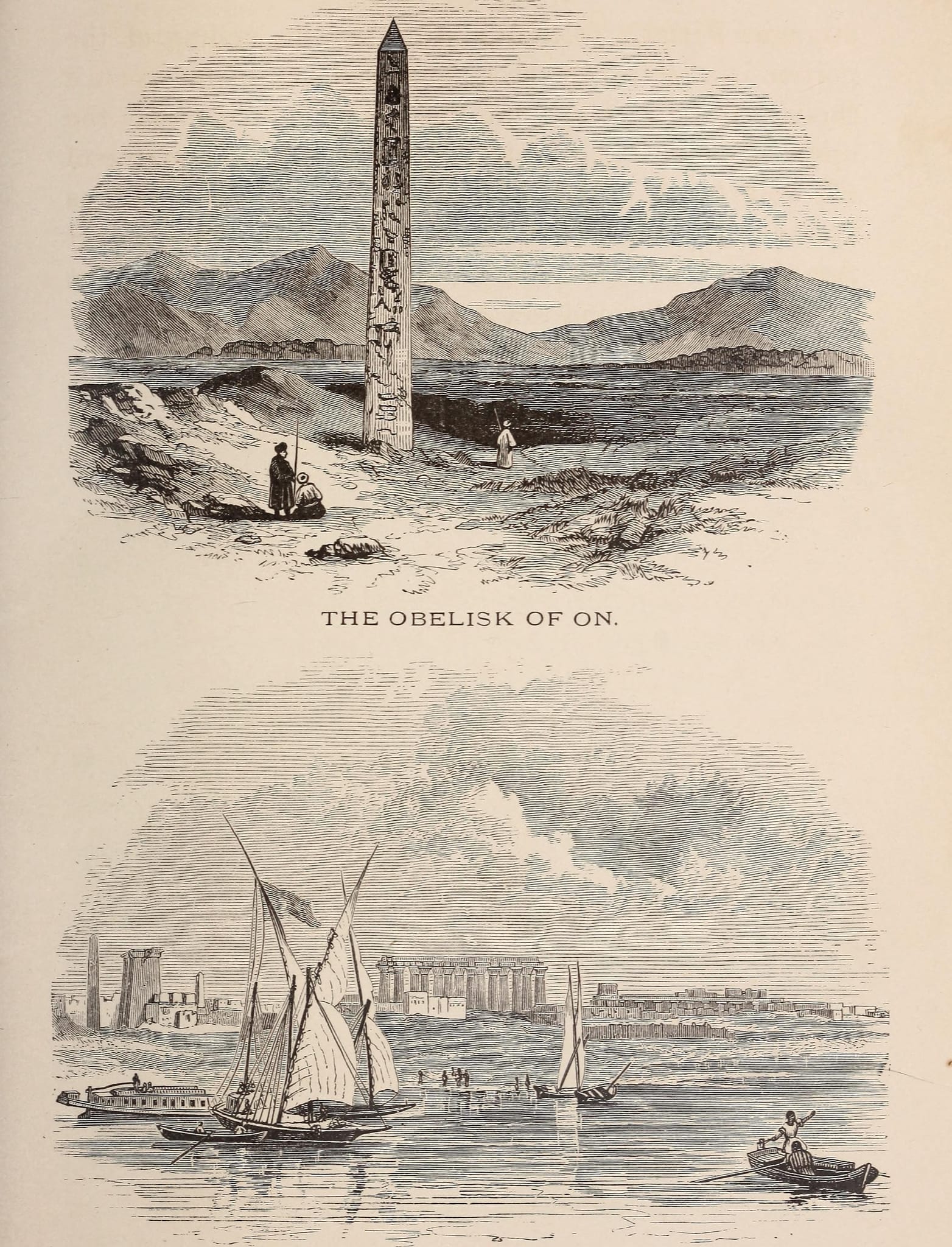 These ancient temples weren't just pretty buildings; they were living, breathing centers of cosmic order. The rituals performed here were elaborate, meant to appease the gods, ensure the Nile's flood, and maintain balance in the universe. At Esna, the focus was Khnum, the glorious god who, they believed, fashioned all humanity on his potter's wheel. Imagine the priests, in their finery, moving through these halls, chanting, making offerings, performing ceremonies detailed in the hieroglyphs that adorn the walls. It was all about connection – connecting the earthly realm with the divine, ensuring prosperity, and honoring the very source of life. The carvings here aren't just art; they're echoes of those profound beliefs.
Esna Today: A Snapshot of Modern Life
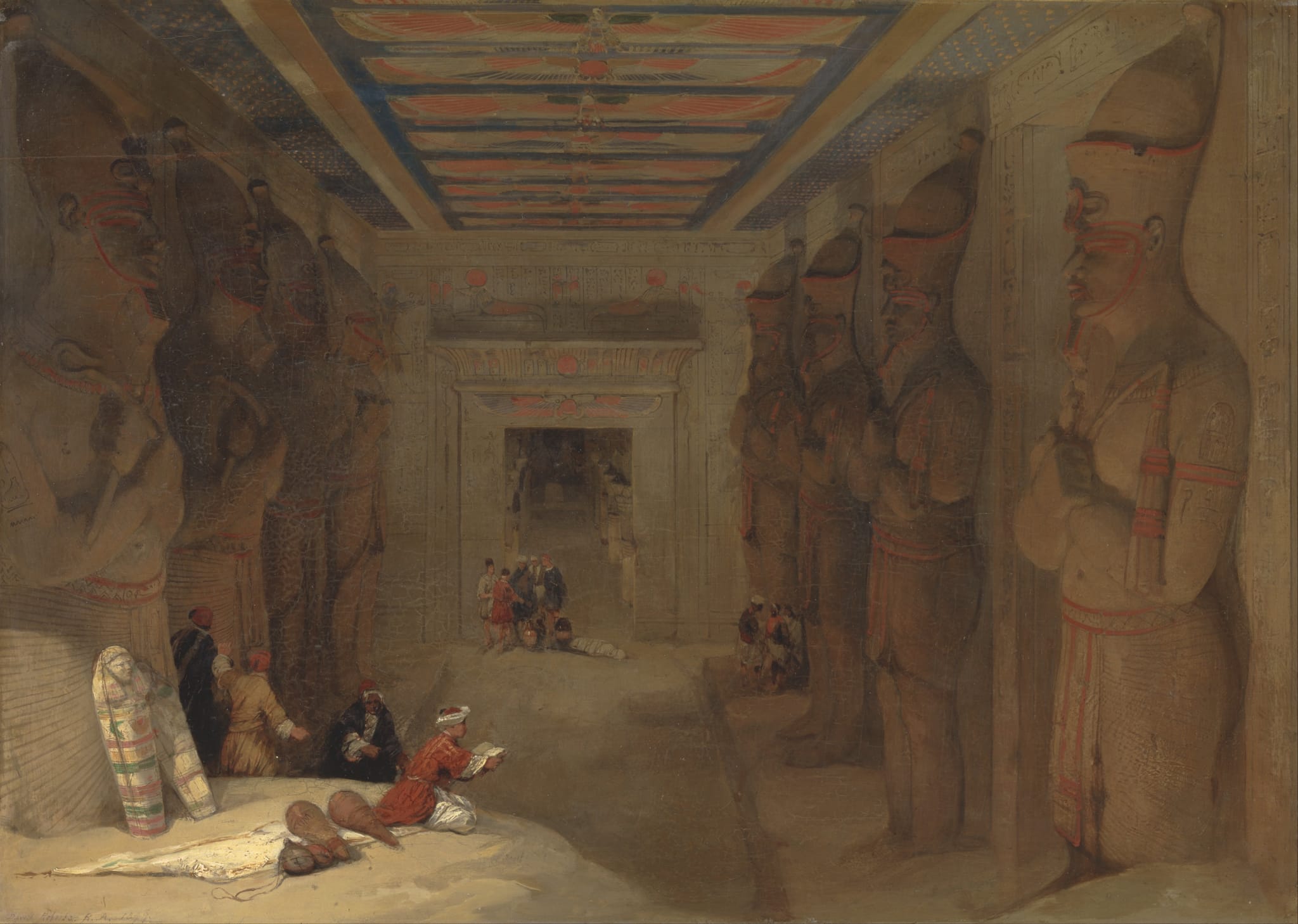 Stepping out of the ancient temple and back into the modern town of Esna is an experience in itself. It's a bustling Upper Egyptian city, known for its busy lock on the Nile – a fascinating sight for anyone on a cruise. You'll see local life happening all around, from vendors selling their wares to children playing, and donkeys trotting along with their loads. The coexistence of this vibrant marketplace with a 2,000-year-old sanctuary is truly remarkable. It's a reminder that Egypt's history isn't just in museums; it's lived, breathed, and built upon every single day.
See it for yourself
Trips that visit the places in this article.
This 7-day tour covers Cairo, Luxor, and Aswan, including the temples of Edfu and Kom Ombo, opening with the Giza Pyramids and Sphinx, the Valley Temple, and…
This 6-day tour combines two nights in Cairo with a three-night Nile cruise from Aswan to Luxor, connected by domestic flights, so the Nile Valley's temples…
Want a different route or length? We'll build it around you.
The Enduring Historical Significance of the Temple of Esna
I find the Temple of Esna incredibly compelling because it really is a cross-section of Egyptian history, covering three distinct, powerful eras. You're not just seeing one period; you're witnessing an evolution.
- Early whispers of this site go back to the New Kingdom, with King Thutmose III, a powerhouse of the 18th Dynasty, initiating construction.
- The temple then truly blossomed, got its intricate decorations, and was largely finished between 40 and 250 A.D. under the watch of Ptolemaic rulers and a string of Roman emperors like Claudius, Trajan, and Hadrian. These foreign rulers, adopting Egyptian traditions, left a profound legacy.
- Perhaps most movingly, this temple is home to the last known hieroglyphic inscription ever carved in ancient Egypt. Dated to 250 A.D., it's a poignant farewell, a final mark of thousands of years of pharaonic culture.
Want to explore A Deep Dive into Esna's Khnum Temple: History & Visiting Tips?
Let us design the perfect private itinerary for you. From expert local guides to seamless luxury cruises, we craft custom trips that show you the real Egypt.
Visitor Essentials for the Temple of Esna
Planning a visit? Here's what you need to know to make the most of your time at this incredible site:
Opening Hours
- You can usually visit daily from 7:00 AM to 7:00 PM.
- Just a quick heads-up: these times can sometimes shift a little depending on the season or local holidays, so it's always good to confirm.
Ticket Prices
- For international adult visitors, expect to pay around 140–160 EGP.
- If you're an international student with a valid ID, it's roughly 70–80 EGP.
- Keep in mind, prices in Egypt can change, so consider these estimates and be prepared to double-check upon arrival.
Alright, How Do I Get There?
- If you're coming from Luxor: Esna is a straightforward drive, about 55 km south, taking around 45–60 minutes. A private car or taxi is your best bet!
- Many Nile cruises will also make a stop here, especially as they navigate the famous Esna Lock – which is quite a sight in itself.
- Coming from Aswan? It's a longer journey, around 170 km north, which means about 2.5–3 hours by car.
Want to explore A Deep Dive into Esna's Khnum Temple: History & Visiting Tips?
Let us design the perfect private itinerary for you. From expert local guides to seamless luxury cruises, we craft custom trips that show you the real Egypt.
The Sweet Spot: Best Time to Visit
- I always recommend hitting the temple early in the morning or late in the afternoon. The cooler temperatures make for a much more comfortable experience, and the light is just perfect for photography. Trust me, those golden hours do wonders for ancient stone.
What to Get Excited About
- Prepare for the unique experience of a partially unearthed temple hall, integrated right into the fabric of a living, breathing town.
- The recently restored ceilings are truly a marvel. The colors are so vibrant it's like stepping back in time.
- Take your time with the 24 massive, intricately carved columns – they're each a work of art. And don't miss those rare astronomical inscriptions; they really tell a story of ancient cosmic beliefs.
Ready to turn this guide into reality?
Our local experts can create a custom itinerary based on these recommendations. Just send us a quick message!
Customize via WhatsApp