

Cairo's Chic Island Escape
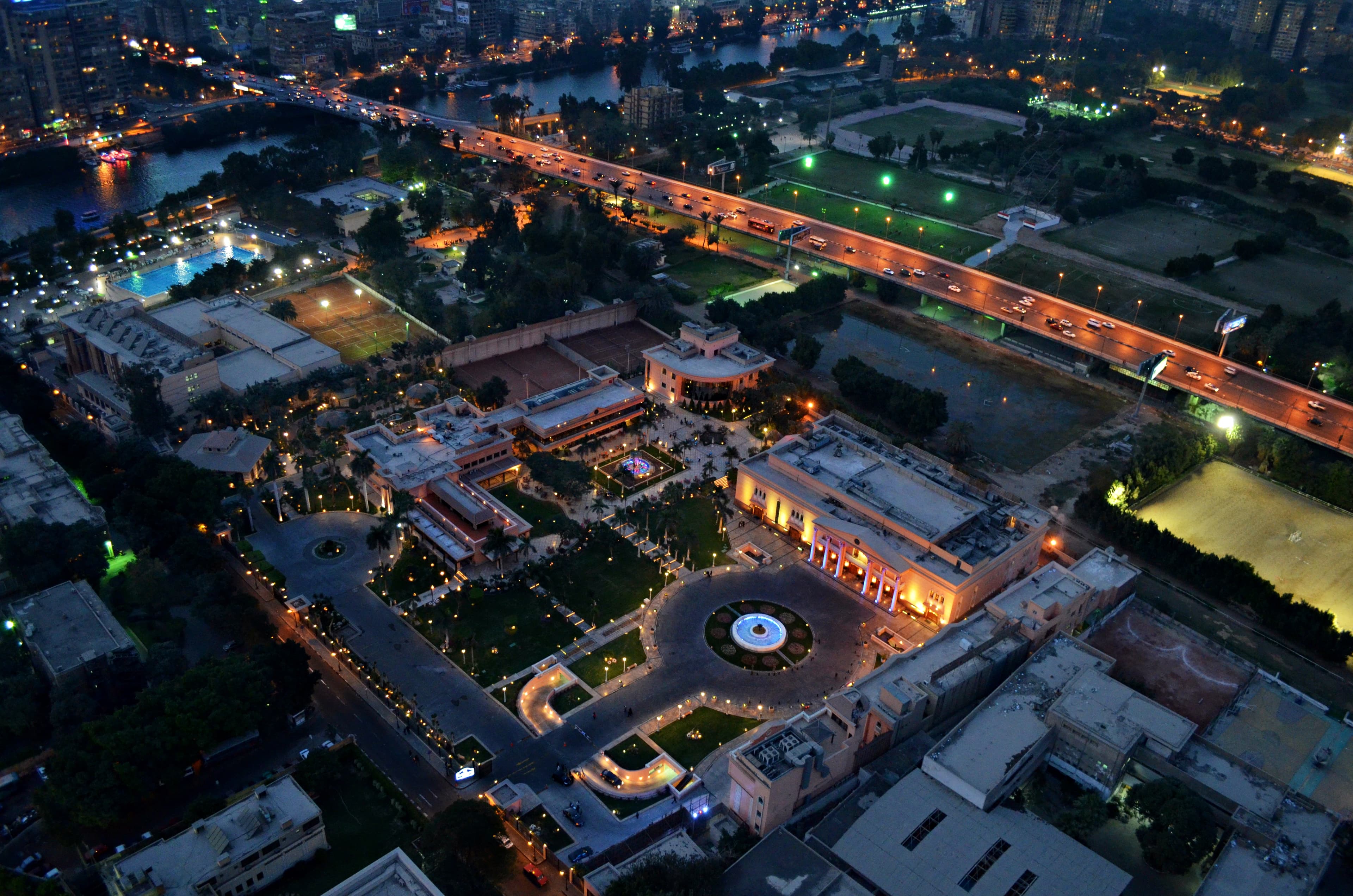
Zamalek, ah, Zamalek! This isn't just another part of Cairo; it's an experience. Nestled on the northern slice of Gezira Island, right there in the middle of the Nile, it's widely regarded as the city's most charming and sophisticated neighborhood. Think less 'chaotic mega-city' and more 'upscale European district'—you know, like a hint of Paris's Left Bank or London's Notting Hill. It's a really welcome contrast to the rest of Cairo, believe me.
What makes it so different?
- The Atmosphere: It's genuinely quieter, greener, and just feels more refined than the bustling downtown.
- The Vibe: Imagine tree-lined streets, elegant Belle Époque buildings, and a cosmopolitan hum. It’s got a real buzz without being overwhelming.
- The Details: Here, you'll find art galleries, cool bookshops, and cafés serving up proper espresso more often than you'll hear the shouts of street vendors.
- The Location: It feels like an escape, but you're still super central, only minutes from Downtown Cairo and iconic spots like the Egyptian Museum.
This district is where Cairo's elite live, and it's truly the perfect retreat for anyone—traveler or local—looking for a cultured, peaceful, and artistic slice of the capital.
Understanding Zamalek & Gezira Island
The Geography and Layout
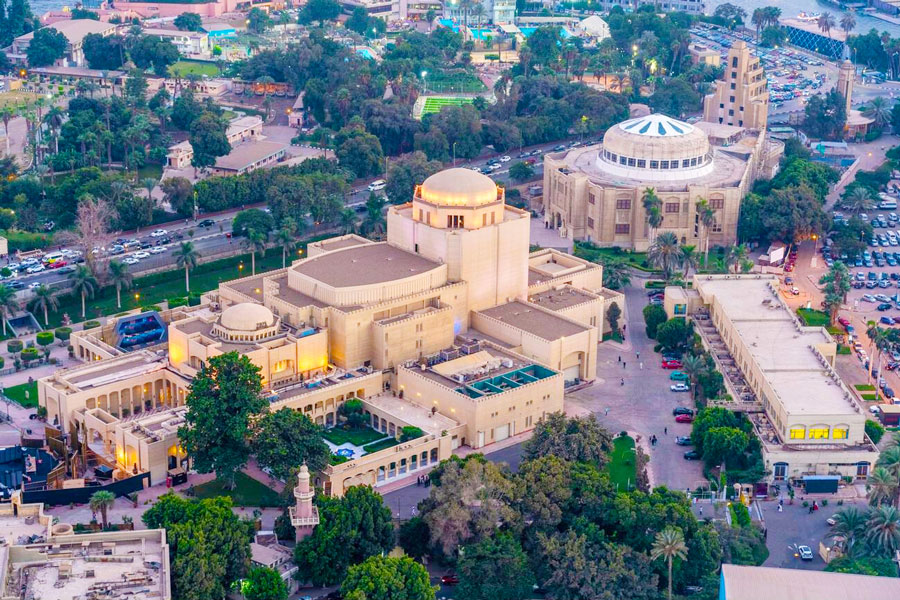
So, Gezira Island (which just means 'island' in Arabic) is this lovely bit of land right there in the Nile. It's connected to mainland Cairo by a bunch of bridges. The island actually splits into two main sections: you've got Zamalek in the north, which is all upscale residential and cultural, and then the southern part, home to the Cairo Opera House, sports complexes, and exhibition grounds.
Zamalek itself is pretty compact, about a square mile, but what you'll notice are the wide, tree-lined streets. They follow this grid pattern, which is surprisingly rare for Cairo! This intentional layout goes back to the late 19th century when Khedive Ismail decided to develop it as an exclusive residential area. The streets are wider, cleaner, and those mature trees actually offer some proper shade.
Traffic moves at a human pace, and sidewalks are actually for walking—luxuries you don't always get in Cairo!
Historical Background
The name 'Zamalek' apparently comes from Mamluk times, when the island was mostly farmland. But the Zamalek we know today really took shape between the 1860s and 1920s. This is when Egypt's rulers and wealthy families started building their grand villas and palaces here, turning agricultural land into Cairo's most prestigious address.
Khedive Ismail, who famously modernized Cairo in the 1860s-1870s, envisioned Zamalek as this elegant quarter that could rival European capitals. He commissioned those wide boulevards, beautiful villas, and lush gardens. By the early 20th century, Zamalek was *the* place to be for Cairo's cosmopolitan elite—think wealthy Egyptians, foreign diplomats, artists, intellectuals, and business bigwigs.
And you know what? The neighborhood kept that character throughout the 20th century. While other parts of Cairo changed dramatically, Zamalek held onto its tree-lined streets, its Belle Époque architecture, and that sophisticated vibe. Today, it's still Cairo's most desirable spot, full of embassies, cultural institutions, fantastic restaurants, art galleries, and, of course, its affluent residents.
The Unique Atmosphere
Honestly, Zamalek feels like a peaceful little village tucked inside Cairo's urban whirlwind. The Nile is all around you, and you'll catch unexpected glimpses of the river down winding side streets. After the intensity of downtown Cairo, it's remarkably calming. You'll hear birds singing in the trees, cafés bustling with conversation (not horns!), and people actually strolling rather than frantically rushing. It's a breath of fresh air, truly.
This atmosphere naturally draws artists, writers, and creative types. Zamalek has long been Cairo's intellectual and artistic heartbeat. It's where galleries show off contemporary art, bookshops stock international titles, and cafés host lively discussions about everything from politics to culture.
Want to explore Zamalek: Cairo's Chic Island Escape & Cultural Heart?
Let us design the perfect private itinerary for you. From expert local guides to seamless luxury cruises, we craft custom trips that show you the real Egypt.
Top Attractions in Zamalek
Cairo Tower (Borg Al-Qahira)
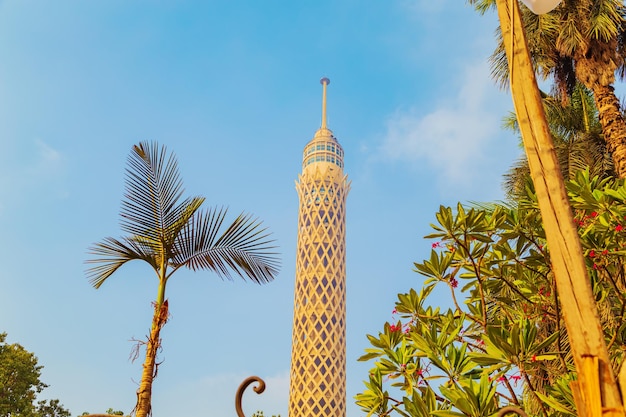
Standing tall at 187 meters (614 feet), Cairo Tower absolutely dominates the Zamalek skyline and gives you truly the best panoramic views of the city. Built between 1956 and 1961, its design is meant to look like a lotus plant, an ancient Egyptian symbol, which is a neat touch.
There's a fun story about how President Gamal Abdel Nasser commissioned it as a symbol of modern Egypt, using money the CIA supposedly gave him as a bribe – which he publicly rejected by building this tower instead! Whether that's entirely true or a bit of nationalistic folklore, it definitely adds to the tower's mystique.
The Observation Deck
The 360-degree viewing platform on the 60th floor offers truly breathtaking views across Cairo. On a clear day, you can see the Pyramids of Giza way out to the west, the Citadel to the east, the Nile winding through the city, and Cairo sprawling out in every direction. If you can, go around sunset; watching Cairo's lights flicker on as the pyramids glow gold in the fading light is just magical.
The Revolving Restaurant
Up top, there's a slowly revolving restaurant. You can enjoy a meal while the city slowly turns around you. The food, honestly, is usually just average compared to other Zamalek spots, but the experience? That's what you're there for. The whole revolution takes about 70 minutes, which is perfect for a leisurely meal with ever-changing vistas.
Practical Info
It's open daily from 8 AM to midnight. Entry for foreigners usually runs about 150-200 EGP (prices can change, so double-check). It can get crowded on weekends and holidays, so try early morning or late evening for better light for photos and fewer people. Give yourself 1-2 hours, including time on the observation deck.
Museum of Modern Egyptian Art
You'll find this museum within the Opera House complex on the southern tip of Gezira. It’s a fantastic place to see Egyptian art from the late 19th century right up to today. The permanent collection features paintings, sculptures, and works by some of Egypt's most influential modern artists—Mahmoud Said, Gazbia Sirry, Inji Efflatoun, and many others who really shaped Egyptian visual culture.
It offers a fascinating look at how Egyptian artists juggled traditional Islamic art, ancient Pharaonic influences, and modern Western styles. You'll see everything from patriotic paintings celebrating Egyptian identity to abstract expressionism and contemporary installations exploring modern Egyptian life. They also host temporary exhibitions with current Egyptian and international artists, so it's worth checking out even if you've been before.
Visiting Tips
Open Saturday-Thursday from 10 AM-1:30 PM and 5-9 PM, and Friday from 5-9 PM. The entry fee is pretty modest (typically 50-75 EGP). English labels are a bit limited, but the art really speaks for itself. Ask about photography rules before you start snapping. You could even combine your visit with a performance at the adjacent Cairo Opera House for a truly cultured evening.
Islamic Ceramics Museum
This museum is housed in a gorgeous palace built in 1924 for Prince Amr Ibrahim, and let me tell you, it holds one of the world's finest collections of Islamic ceramics. The pottery, tiles, and ceramic artwork here span the entire Islamic world, from Spain to Central Asia, dating from the 7th to the 19th centuries.
The collection really highlights the evolution of Islamic ceramic art and all the cool technological innovations Muslim craftsmen developed—like lustre-ware, under-glaze painting, and intricate tile work. It's seriously impressive.
The palace itself just makes the experience even better. You're viewing this incredible art in surroundings similar to where wealthy patrons originally displayed such pieces. The building's architecture, with its elegant rooms, ornate ceilings, and lovely garden courtyard, is almost as interesting as the collection. Its intimate scale means you can really get up close to the pieces, which can sometimes get lost in bigger museums.
Details
It's on Gezira Street. The entry fee is modest (usually around 60 EGP). It's often not very crowded, which makes for a wonderfully peaceful viewing experience—a welcome change from Cairo's massive, bustling museums. Budget about 1 to 1.5 hours. Just a heads up, sometimes sections can be closed for restoration, so it's a good idea to confirm it's fully open before you go.
Want to explore Zamalek: Cairo's Chic Island Escape & Cultural Heart?
Let us design the perfect private itinerary for you. From expert local guides to seamless luxury cruises, we craft custom trips that show you the real Egypt.
Mahmoud Khalil Museum
This stunning villa, now a museum, houses one of the Middle East's best collections of 19th- and 20th-century European art. Mahmoud Khalil (1877-1953), a hugely wealthy politician and art collector, gathered paintings by giants like Monet, Renoir, Gauguin, Toulouse-Lautrec, Sisley, and other Impressionist and Post-Impressionist masters. His collection honestly rivals many European museums, showing just how globally connected and tasteful Egypt's elite once were.
The villa itself—which was Khalil's home—retains its early 20th-century elegance with period furniture, Art Deco touches, and lush gardens. Walking through these intimate rooms, seeing masterpieces in a residential setting, is a really different museum experience compared to Cairo's larger institutions. The ground-floor rooms focus on the paintings, while the upper floors give you a glimpse into Khalil's personal life with his furniture and objects.
A quick note: This museum once had a high-profile art theft back in 2010 when a Van Gogh painting ('Poppy Flowers') was stolen in broad daylight. It led to a temporary closure and massive security upgrades. While the painting was never recovered, the museum eventually reopened with boosted security. Always a good idea to confirm current opening hours before you visit, as they can change. Entry is usually 75-100 EGP.
See it for yourself
Trips that visit the places in this article.

This 10-day tour moves through four distinct regions of Egypt, starting in Cairo, continuing by domestic flight and first-class train to Aswan and Luxor, and…

This 11-day tour moves between Cairo, a Nile cruise from Aswan to Luxor, and a final stretch in Hurghada, connecting each leg by domestic flight so the pace…
Want a different route or length? We'll build it around you.
Zamalek's Cultural Scene
Art Galleries and Contemporary Art
Zamalek is definitely Cairo's gallery district, packed with dozens of contemporary art spaces showcasing both Egyptian and Middle Eastern artists. The sheer number of galleries here makes Zamalek a must-visit if you want to understand Egypt's incredibly vibrant contemporary art scene.
- Townhouse Gallery: This is a pioneering contemporary art space that features cutting-edge Egyptian and Middle Eastern artists. Since 1998, Townhouse has championed experimental work, video art, installations, and performance art. You'll often find thought-provoking, sometimes controversial, exhibitions here that push artistic and social boundaries. Gallery openings are always a big social event, drawing Cairo's creative crowd.
- Mashrabia Gallery: A well-established gallery that represents prominent Egyptian artists working in painting, sculpture, and mixed media. It's perhaps a bit more traditional than Townhouse but consistently high quality. A great place to discover Egyptian artists working in figurative and semi-abstract styles.
- Safar Khan Gallery: Their focus is on modern and contemporary Arab art from across the Middle East. They feature both established names and emerging artists, with a strong emphasis on sculpture and three-dimensional work. Plus, the gallery itself is in a beautiful old villa, so the space alone is worth a visit.
Gallery openings usually happen on Thursday or Saturday evenings, and everyone's welcome. Expect wine, conversation, and a chance to meet artists and collectors. Even if you're not planning to buy art, visiting these galleries offers a fantastic window into contemporary Egyptian culture and creative expression. Check their websites or simply ask your hotel concierge for current exhibitions.
Bookshops and Literary Culture
Zamalek is home to Cairo's best bookshops if you're looking for English-language titles. It’s a real haven for readers and anyone wanting books about Egypt and the Middle East.
- Diwan Bookstore: This is Cairo's leading bookstore chain, and its flagship Zamalek branch has extensive English sections. You'll find an excellent selection of books on Egypt, Middle East politics, Arabic literature in translation, international bestsellers, and even children's books. They also have a lovely café attached that serves good coffee and light meals, perfect for enjoying your new purchases. Diwan also hosts author talks and book signings, which are always interesting.
- AUC Bookstore: The American University in Cairo's bookstore offers a more academic selection, focusing on Egyptian studies, Middle East history, and general titles. It's more scholarly than Diwan but offers superb quality, especially for serious books about Egypt, Islam, and regional affairs. They also sell books published by AUC that you won't find anywhere else.
Dining in Zamalek
Upscale International Dining
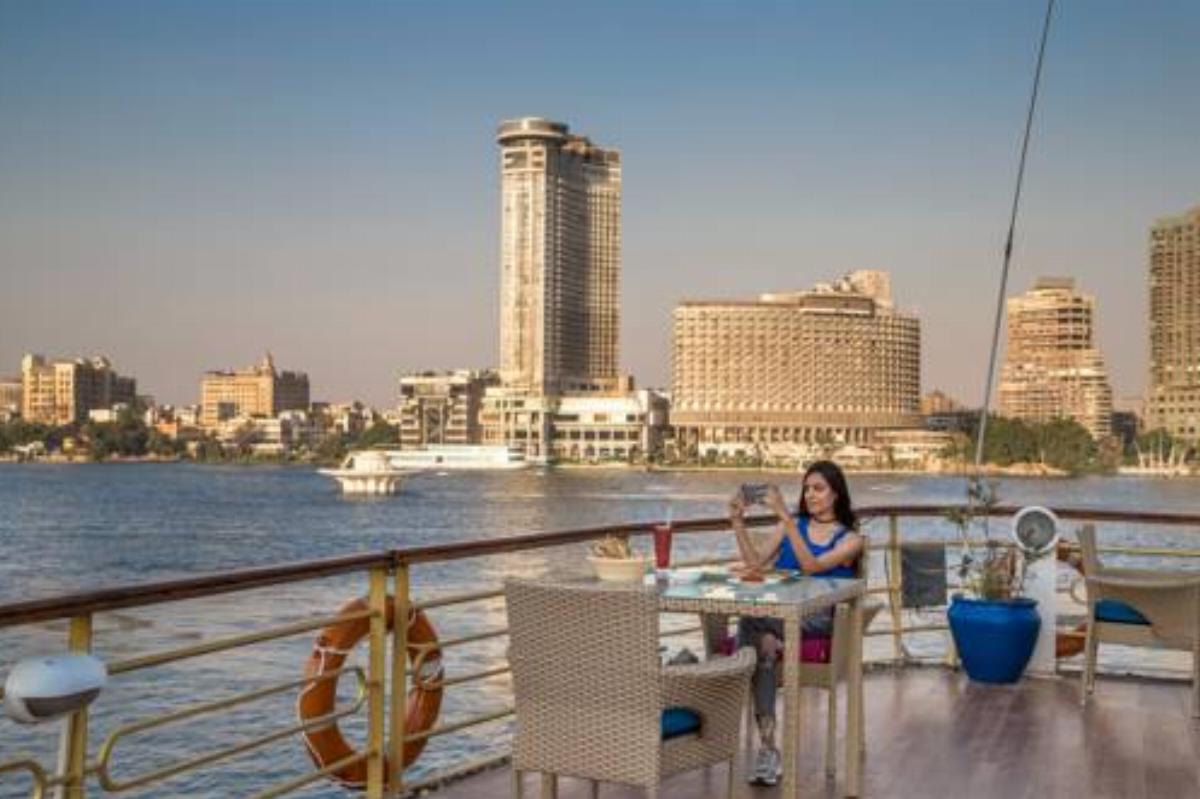
Sequoia: This is an upscale Mediterranean restaurant that boasts truly stunning Nile views from its terraced levels that descend towards the river. The outdoor dining space, looking out over the water, is just perfect for sunset cocktails and dinner. The menu features Mediterranean dishes with an Egyptian twist—think grilled seafood, lamb, mezze, and pasta. It's on the pricier side for Egypt (expect 500-800 EGP per person), but it's absolutely worth it for the setting, quality, and service.
Reservations are essential, especially for dinner on weekends.
Maison Thomas: A Cairo institution since 1922, this spot serves up fantastic Italian food and is especially famous for its pizza. While they have multiple locations in Cairo, the Zamalek branch really keeps that old-world charm with vintage décor and a loyal, long-time clientele. It's consistently good, moderately priced (200-400 EGP per person), and its nostalgic atmosphere makes it popular across generations.
You have to try their pizza with an Egyptian twist—they've really perfected a thin crust adapted to local tastes.
Left Bank: This is a French-inspired bistro with an elegant villa setting and delightful garden seating, creating a wonderfully European café atmosphere. The menu changes seasonally, but you'll always find French classics and contemporary dishes. They also have a good wine selection, which can be a rarity in Cairo. It's moderate to expensive but offers excellent value for the quality and ambiance.
Egyptian and Middle Eastern Cuisine
Abou El Sid: Here, traditional Egyptian cuisine is elevated to fine dining. It's housed in an atmospheric setting adorned with antiques, traditional mashrabiya screens, and vintage Egyptian objects. The menu features classic dishes like stuffed pigeon, molokhia (jute leaf stew), grilled meats, mezze, and koshary, all presented beautifully. It's more upscale than your typical Egyptian restaurant (300-500 EGP per person) but delivers an authentically delicious and beautifully presented experience.
Reservations are recommended for dinner.
Zooba: This place offers a modern take on Egyptian street food in a clean, contemporary setting with super hip décor. The menu features elevated versions of ta'meya (Egyptian falafel), ful medames, feteer (layered pastry), and other local favorites, all made with high-quality ingredients. It's a fantastic way to try Egyptian food in comfortable surroundings without sacrificing any authenticity.
With reasonable prices (150-250 EGP per person) and a casual atmosphere, it's accessible for all travelers.
Cafés and Coffee Culture
Zamalek truly shines when it comes to café culture, with tons of spots perfect for lingering over coffee, getting some work done on your laptop, or just people-watching.
Beano's: Think of it as Egypt's version of Starbucks. This Egyptian coffee chain offers reliable espresso drinks, pastries, sandwiches, and light meals. Several locations in Zamalek, all with AC, WiFi, and comfy seating. Clean bathrooms make them a great spot to pause during your Zamalek exploration.
Cilantro: Another popular Egyptian chain, known for good coffee, fresh juices, salads, sandwiches, and casual meals. The Zamalek branches often have outdoor seating, which is perfect for watching the world go by and soaking in the neighborhood vibe. Strong WiFi makes it a hit with students and freelancers.
Traditional Patisseries: Zamalek has some truly excellent Egyptian-French patisseries—Mandarine Koueider and Simonds are probably the most beloved. These bakeries sell traditional Egyptian sweets, French pastries, cakes, and cookies. They're perfect for breakfast treats or a delightful dessert after dinner. You'll often see locals queuing up, especially around holidays when people buy gift boxes.
Getting Around Zamalek
Reaching Zamalek
- From Cairo Airport: Catch a taxi or Uber. It’s about 45-90 minutes depending on traffic and costs around 150-250 EGP. If you hail a regular taxi, make sure to agree on the price beforehand; ride-sharing apps offer better transparency.
- From Downtown Cairo: You can take a pleasant 15-20 minute walk across Qasr el-Nil Bridge from Tahrir Square, or a quick taxi ride that'll take 5-10 minutes and cost 20-40 EGP.
- Metro: There isn't a metro station directly *in* Zamalek, but Opera Station (on Line 3) at the southern tip of Gezira is the closest. From there, you can walk or take a short taxi into Zamalek proper. Sadat Station at Tahrir Square is also convenient—exit and simply walk or taxi across the bridge.
Moving Within Zamalek
Walking: This is, hands down, the best part of Zamalek! It's incredibly walkable—flat terrain, wide sidewalks, plenty of tree shade, and a compact size make walking idyllic. Most places are within a 15-20 minute walk. I'd definitely recommend downloading Google Maps offline for navigation.
Uber/Careem: Ride-sharing apps work perfectly here and are super cheap (think 10-30 EGP for rides within the island). Use them for late-night returns to your hotel, if you're loaded down with shopping, or if you're just too tired from Cairo's heat.
Regular Taxis: You'll find them everywhere, but they're often more of a hassle than using an app. Most drivers won't use meters, so you'll have to haggle over the price. White taxis are official, but there are plenty of unofficial ones too. Honestly, the apps are just easier and more transparent.
Engaging with Zamalek: Make It Memorable
Before Your Visit
- Check for current art exhibitions at Zamalek galleries; plan your visit around any interesting shows.
- Look up the Cairo Opera House schedule online for performances during your stay and book tickets if something catches your eye.
- Make restaurant reservations for popular spots, especially Sequoia and Abou El Sid, for those weekend dinners.
- Download offline maps and mark your points of interest so you can navigate even without a data connection.
- Read up on Zamalek's Belle Époque history; it really helps you appreciate the architecture.
- Learn a few Arabic phrases—even though English is widely spoken, locals always appreciate the effort.
- Do a little research on Egyptian contemporary art to better understand what you're seeing in the galleries.
During Your Visit
- Early Morning Nile Walk: Start your day with a peaceful walk along the Nile Corniche before Cairo fully wakes up (think 6-7 AM). The early light on the river, the relative quiet, the cooler air, and seeing locals out exercising create such a magical atmosphere. You'll spot fishermen, joggers, and families enjoying the river. This is Cairo at its most serene.
- Gallery Hopping: Dedicate a Thursday or Saturday afternoon to visiting several art galleries. Many have openings on these evenings, complete with wine, conversation, and a chance to meet artists. Even without an opening, most galleries welcome visitors. Spend an hour or so wandering between Townhouse, Mashrabia, and Safar Khan to discover cutting-edge Egyptian contemporary art.
- Sunset at Cairo Tower: Plan your tower visit for about an hour before sunset. Watch the sun dip below the horizon (on clear days, you can even see the pyramids!), then stay as darkness falls and Cairo's lights begin to sparkle below. The transformation from day to night views is truly spectacular. The tower itself is beautifully lit after dark, making for dramatic photos even from street level.
- Café Culture: Spend a leisurely afternoon in a Zamalek café with a good book or your journal. Order some excellent coffee, settle in for hours (no one will rush you), and just watch well-dressed Cairenes meeting friends, artists sketching, and students studying. This is cosmopolitan Cairo at its finest—sophisticated, cultured, and wonderfully relaxed.
- Bookshop Browsing: Take your time browsing Diwan or the AUC Bookstore for books about Egypt. Pick up a novel by Naguib Mahfouz (our Nobel Prize-winning Egyptian author) or Alaa Al Aswany to read while you're in Cairo. Or perhaps some books on Egyptian history or Islamic art to deepen your understanding of everything you're seeing.
Questions to Ponder
It's interesting, isn't it, how Zamalek's calm contrasts so sharply with the chaos of downtown Cairo, just across the river? What is it that creates such wildly different atmospheres in such close proximity? Why do cities, especially intense ones, need these peaceful enclaves? How does Zamalek manage to keep its distinct character while Cairo transforms so rapidly around it? What would Zamalek even look like if it gave in to the same development pressures as the rest of the city?
And why, oh why, is walkability so rare in Cairo but so beautifully preserved here?
Photography Tips
Capture These Zamalek Moments:
- The magical early morning light filtering through the trees onto quiet streets.
- Cairo Tower silhouetted against a dramatic sunset or sparkling night sky.
- Stunning Nile views with feluccas sailing gracefully past.
- Grand Belle Époque apartment buildings with their ornate balconies.
- Authentic street scenes in the cafés—fashionable Cairenes, students, artists.
- The thought-provoking works within contemporary Egyptian art galleries.
- The striking contrast between the island's peace and the city's hustle, perfectly captured from one of the bridges.
Technical Tips:
Bring a wide-angle lens for capturing the architecture and those beautiful tree-lined streets. A telephoto can help you get interesting angles of Cairo Tower and compress the Nile into some dramatic compositions. The 'golden hour' (early morning and late afternoon) offers the best light for photography. And honestly, Zamalek's tree-lined streets create gorgeous dappled light patterns that are just perfect for black and white photography.
Why Zamalek Matters
Zamalek truly shows that Cairo is so much more than just ancient pyramids and medieval mosques. This neighborhood is a living testament to modern, cosmopolitan Egypt—it’s cultured, artistic, globally connected, yet still uniquely Egyptian. Zamalek has managed to preserve Cairo's Belle Époque elegance while simultaneously embracing contemporary culture through its galleries, bookshops, restaurants, and flourishing creative industries.
If you really want to understand modern Egyptian society, Zamalek is essential. This is where Egypt's intellectuals, artists, creative professionals, and progressive thinkers gather. The conversations buzzing in Zamalek's cafés often shape Egyptian culture, politics, and art. The contemporary Egyptian art displayed in its galleries influences cultural discourse not just here, but across the entire Arab world.
For visitors, Zamalek offers a much-needed respite from Cairo's often overwhelming intensity. After battling downtown traffic, the crowds at the pyramids, and the sometimes-aggressive vendors of Khan el-Khalili, Zamalek's quiet streets and sophisticated atmosphere are a true relief. Yet, you're still perfectly central to everything, able to reach major attractions within 15-30 minutes, always returning to a peaceful refuge.
Zamalek also stands as a remarkable example of successful urban preservation. While much of Cairo has seen historic buildings torn down for concrete towers, Zamalek has largely maintained its Belle Époque character. The neighborhood truly demonstrates that heritage, walkability, and a high quality of life can absolutely coexist with modern urban living.
Ready to turn this guide into reality?
Our local experts can create a custom itinerary based on these recommendations. Just send us a quick message!
Customize via WhatsApp