
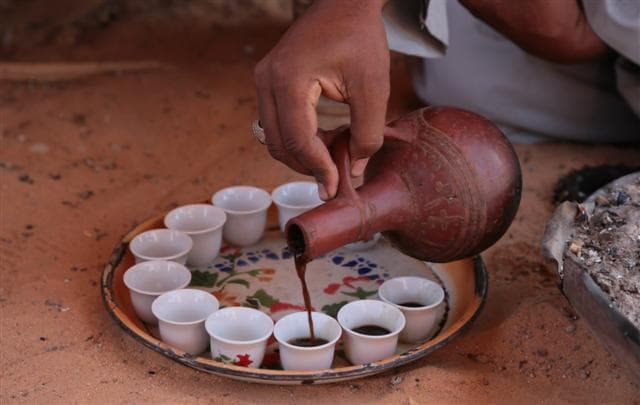

Egypt is a land known for its ancient wonders, vibrant markets, and rich traditions, but one aspect that often goes unnoticed is its deep-rooted coffee culture. Egyptian coffee, or “Ahwa,” plays a significant role in daily life, symbolizing hospitality, social bonding, and even moments of reflection. If you’re visiting Egypt with Travel Joy Egypt, immersing yourself in its coffee culture is an experience you shouldn’t miss.
Whether you’re relaxing after exploring the Pyramids of Giza or strolling through the bustling streets of Cairo, a cup of traditional Egyptian coffee will add an authentic flavor to your journey.
The History of Egyptian Coffee
Egyptian coffee culture dates back centuries and is deeply influenced by the traditions of the Ottoman Empire. Coffeehouses, known locally as “Ahwas,” began emerging in Egypt in the 16th century, becoming social hubs for conversation, storytelling, and music.
Origin:Coffee was introduced through trade routes from Ethiopia and Yemen. | Role in Society:Ahwas became gathering places for political discussions, socializing, and relaxation. | Preservation of Tradition:To this day, Egyptian coffeehouses retain their authentic charm and importance. Origin: Coffee was introduced through trade routes from Ethiopia and Yemen. Role in Society: Ahwas became gathering places for political discussions, socializing, and relaxation.
Preservation of Tradition: To this day, Egyptian coffeehouses retain their authentic charm and importance.
What Makes Egyptian Coffee Unique?
Egyptian coffee is quite distinct compared to other types of coffee around the world. It’s all about simplicity, strong flavor, and tradition.
Preparation:Finely ground coffee beans are brewed in a small pot called a “cezve” or “kanaka”. | Serving Style:Served unfiltered in small cups, allowing the grounds to settle at the bottom. | Flavor Profile:Known for its rich, robust taste, Egyptian coffee is often made with or without sugar (unsweetened is called “Sada”). | Spices:Sometimes cardamom or other spices are added for extra aroma and flavor.
Preparation: Finely ground coffee beans are brewed in a small pot called a “cezve” or “kanaka”. Serving Style: Served unfiltered in small cups, allowing the grounds to settle at the bottom. Flavor Profile: Known for its rich, robust taste, Egyptian coffee is often made with or without sugar (unsweetened is called “Sada”). Spices: Sometimes cardamom or other spices are added for extra aroma and flavor. This attention to detail and tradition gives Egyptian coffee its unmistakable character.
The Role of Coffeehouses (Ahwas) in Egyptian Life
Ahwas are an essential part of Egyptian society, particularly in urban areas like Cairo, Alexandria, and Luxor. Community Hubs:People gather at Ahwas to enjoy coffee, play board games like backgammon, and share conversations. | Inclusive Spaces:Ahwas are open to all – young and old, locals and travelers. | Tradition Meets Modernity:While many Ahwas maintain their old-world charm, others have embraced modern decor and amenities.
Community Hubs: People gather at Ahwas to enjoy coffee, play board games like backgammon, and share conversations. Inclusive Spaces: Ahwas are open to all – young and old, locals and travelers. Tradition Meets Modernity: While many Ahwas maintain their old-world charm, others have embraced modern decor and amenities. Whether you visit a traditional Ahwa in a historic neighborhood or a modern coffeehouse in a busy city center, you’ll experience Egypt’s love for coffee firsthand.
See it for yourself
Trips that visit the places in this article.
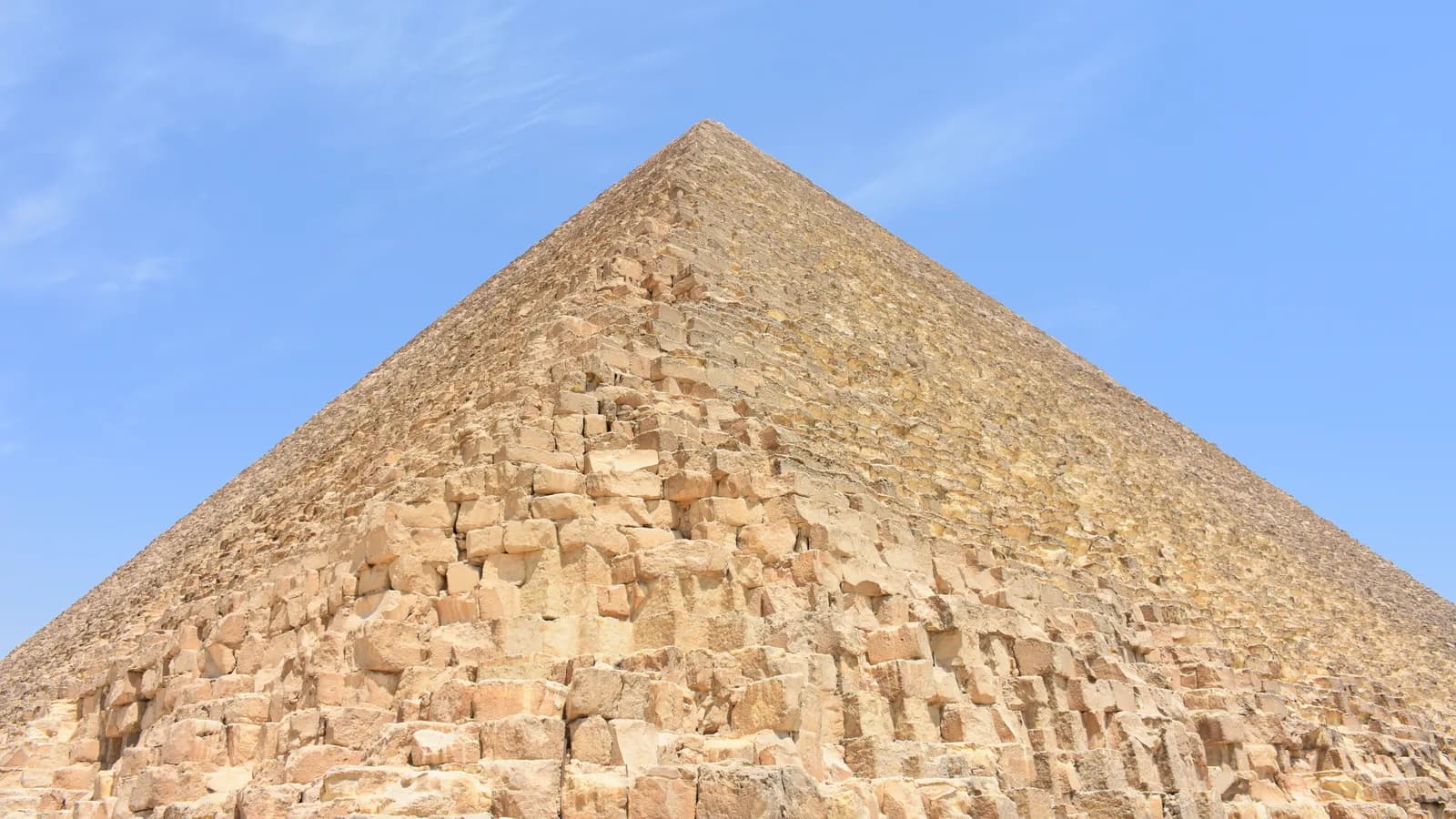
Travel Joy Egypt's private 7 days Egypt tour takes you through Cairo, Luxor, Aswan and Abu Simbel, with 6 hotel nights, an Egyptologist guide and 2 domestic…

Travel Joy Egypt's 6 days Cairo and Nile cruise package covers 2 nights in Cairo and 3 nights on a Nile cruise from Aswan to Luxor, with domestic flights…
Want a different route or length? We'll build it around you.
How to Drink Coffee Like a Local
When visiting Egypt, enjoying coffee the way locals do can give you an authentic experience.
Here are a few tips: Order It Right:Coffee comes in different sweetness levels:Sada:UnsweetenedAreeha:Lightly sweetenedMazboot:Medium sweetZiyada:Very sweet | Sada:Unsweetened | Areeha:Lightly sweetened | Mazboot:Medium sweet | Ziyada:Very sweet | Sip Slowly:Egyptian coffee is meant to be enjoyed slowly, giving time for conversation or contemplation. | Avoid Stirring:Don’t stir the coffee as the grounds settle at the bottom of the cup. | Pair It:Coffee is often enjoyed with a glass of water or a sweet treat like dates or pastries.
Order It Right: Coffee comes in different sweetness levels: Sada:Unsweetened | Areeha:Lightly sweetened | Mazboot:Medium sweet | Ziyada:Very sweet Sada: Unsweetened Areeha: Lightly sweetened Mazboot: Medium sweet Ziyada: Very sweet Sip Slowly: Egyptian coffee is meant to be enjoyed slowly, giving time for conversation or contemplation. Avoid Stirring: Don’t stir the coffee as the grounds settle at the bottom of the cup.
Pair It: Coffee is often enjoyed with a glass of water or a sweet treat like dates or pastries.
Where to Experience the Best Egyptian Coffee
During your trip with Travel Joy Egypt , you’ll find countless places to enjoy Egyptian coffee. Here are some suggestions: Traditional Ahwas:Visit the historic coffeehouses in Cairo’s Islamic Quarter or Alexandria’s seaside neighborhoods. | Modern Cafés:Trendy coffee spots offer a blend of tradition and innovation. | Markets and Souks:Enjoy a cup of coffee while exploring vibrant markets like Khan El Khalili.
Traditional Ahwas: Visit the historic coffeehouses in Cairo’s Islamic Quarter or Alexandria’s seaside neighborhoods. Modern Cafés: Trendy coffee spots offer a blend of tradition and innovation. Markets and Souks: Enjoy a cup of coffee while exploring vibrant markets like Khan El Khalili. Wherever you go, sipping Egyptian coffee will connect you to the culture and warmth of the people.
Want to explore Guide to Egyptian Coffee Culture?
Let us design the perfect private itinerary for you. From expert local guides to seamless luxury cruises, we craft custom trips that show you the real Egypt.
Conclusion
Egyptian coffee culture is much more than just a drink – it’s a reflection of hospitality, tradition, and community. From its historical roots to its modern-day significance, Egyptian coffee is an essential experience for anyone visiting this beautiful country. Whether you’re planning your adventure through Travel Joy Egypt or exploring on your own, take time to savor a cup of traditional Egyptian coffee and embrace the culture it represents.
Key Highlights:
Experience Egypt’s rich coffee culture in traditional Ahwas. | Enjoy unique flavors and preparation methods. | Discover how coffee brings people together in Egyptian society. Experience Egypt’s rich coffee culture in traditional Ahwas. Enjoy unique flavors and preparation methods. Discover how coffee brings people together in Egyptian society. Don’t miss out on this timeless tradition during your Egyptian journey!
Let us customize a perfect itinerary TO EGYPT
Ready to turn this guide into reality?
Our local experts can create a custom itinerary based on these recommendations. Just send us a quick message!
Customize via WhatsApp